
 It’s important to check with your doctor if you are suffering from chronic head pain. However, there are some natural remedies you may find helpful.
Exercise
Studies find that aerobic exercise is as effective at preventing migraines as the migraine medication topiramate. A study
Read More »
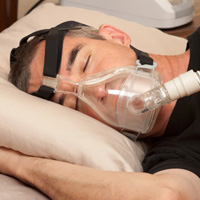 OSA requires proper diagnosis and management. This ailment often goes untreated, despite being recognized nearly 50 years ago.
With a 9% incidence rate among the female Caucasian population of the United States and 24% in the male Caucasian population, more than 80% of those affected by OSA are believed to be undiagnosed, or untreated even if they are.
So what does obstructive sleep apnea have to do with proper eye care?
Read More »
 The developing pre-natal eye requires light that passes through the body and into the womb, according to recent animal research. Mice that had no access to light during pregnancy gave birth to offspring whose eyes were not developed correctly. This indicated that small amounts of light are necessary, during gestation, to control eye blood vessel growth.
This research is considered to be a breakthrough, and scientists were surprised because until now, maternal exposure to light during pregnancy was not considered relevant to fetal development.
Read More »
 A study has found that a type of glaucoma called “low-tension” may be helped using gingko biloba extract, a natural supplement.
At the optometrist’s office, a puff of air is one of the ways patients are screened for glaucoma risk. This test measures intraocular pressure (IOP). When the tension in the eye is high (ocular hypertension), the patient receives further tests for glaucoma. Glaucoma is a progressive eye disease that damages the optic nerve, leading to serious vision loss and blindness.
 You may have heard that medical marijuana is sometimes used by glaucoma patients. When most people in the United States think of marijuana, many different images, words, and opinions come to mind. Marijuana, or cannabis, is known for its psychoactive effects and medicinal properties caused by a chemical within the plant called tetrahydrocannabinol, also known as THC. Marijuana is most commonly recognized as a recreational drug and is subject to many legal restrictions ranging from its use, to possession of certain amounts of the plant product.
 The FDA has approved a patented device called the iStent® Trabecular Micro-Bypass Stent that helps reduce eye pressure from glaucoma in patients who also have cataracts. The new device addresses the fact that 90 of patients with glaucoma are not compliant with their glaucoma eye drop instructions, and half stop using their drops after 6 months. iStent allow patients to use eye drops less often, and may even make the drops unnecessary.
Glaucoma is a serious and progressive eye disease in which a build-up of pressure in the eye causes damage. It may have no symptoms in its early stage and therefore, regular screening by an optometrist or ophthalmologist is necessary. Glaucoma is especially prevalent in the elderly.
 Guest Blogger, Richard Keane
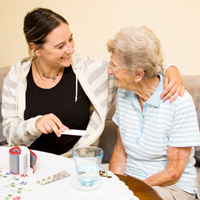
A new review has revealed that thousands of patients in UK care homes (nursing homes) are missing out on sight tests and acceptable standards of eye care. The review, compiled by the Thomas Pocklington Trust and the International Longevity Centre UK, claims that up to half of the 400,000 elderly people living in UK care homes suffer from sight loss that could be treated. Diseases prevalent in the elderly include glaucoma, cataracts, and macular degeneration. However, eye health is being neglected in the majority of homes, with some carers assuming that there is no need for sight testing in elderly patients, especially in the case of those with Alzheimers Disease (dementia), and a lack of national policy is causing eye care to fall low down on the list of care priorities.
Read More »
 As people age, eye diseases and conditions that commonly occur include macular degeneration, cataracts, vitreous tears/retinal tears and detachments, glaucoma, diabetic retinopathy, dry eyes, and eye floaters.
The question arises as to whether eye disease is inevitable with age. Will all older adults eventually have a “glint” in their eyes after cataracts surgery? More than 50% of people aged 75+ have glaucoma, cataracts, or macular degeneration. Can aging adults do anything to prevent, manage or slow down eye diseases associated with aging?
A large body of research is accumulating that shows the effects of regular eye exercises, good nutrition, and targeted supplementation on preventing and/or managing eye conditions. For instance, peer-reviewed research has shown that the risk of getting macular degeneration can be significantly reduced by taking fish oil and lutein on a daily basis. Vigorous exercise may reduce the incidence of glaucoma. And the effects of antioxidants on preventing cataract and macular degeneration have been the subject of significant research.
 Want to reduce your risk of glaucoma? Stay physically active. A study in the Investigative Ophthalmology & Visual Science Journal showed that higher levels of activity seems to have a beneficial impact on ocular perfusion pressure (OPP). OPP is a crucial risk factor for developing glaucoma.
The study was done on 5,650 adults aged 48-90 in the U.K. It measured the relationship between current OPP and physical activity over time. The subjects filled out lifestyle and health questionnaires. The surveys recorded how much physical activity the subjects got during both work hours and leisure time. They were given tests to measure eye pressure (intraocular pressure — IOP) and blood pressure.
This study showed a 25% reduced risk of low OPP in study participants who had moderate physical exercise approximately 15 years before.
 Standard glaucoma treatment depends on adherence to a program of medication and medical appointments. A recent study indicated that an interactive, automated series of phone calls to glaucoma patients increased compliance with their treatment. However, the control group who received no calls had equally good compliance, indicating further research is needed.
The lowest glaucoma treatment compliance rates are typically found among African Americans and patients who do not understand the importance of treating glaucoma over the long term. This study was conducted on 312 patients at an eye clinic at a large public hospital and at a Veterans Affairs facility eye clinic. They were mostly male and African American, with an average age of 63, and had a history of not taking their medication regularly, not refilling their prescriptions, and not keeping all the recommended medical appointments.
Natural Eye Care, Inc.
3 Paradies Lane
New Paltz, New York 12561
Phone: 845.475.4158

NaturalEyeCare™ started in 1999 to help the public and professionals learn about complementary care in eye disease treatment.
The information and recommendations we offer are based on over 30 years of peer review research and personal clinical experience which guides us in providing a valuable resource to our readers, customers and patients regarding maintaining healthy vision naturally.
We believe that vision health is intimately connected to overall mental, physical and spiritual health. Therefore we encourage people to look at their overall lifestyle and diet as part of keeping healthy vision and reducing the risk of eye disease onset. This includes diet, regular exercise, and management of daily stress. If one has health issues such as high blood pressure, a thyroid imbalance, any autoimmune disease and/or are on medication(s), these possible contributions to eye disease should considered when working with your health care professional.
Please do not hesitate to call us at 845.475.4158 with any questions and concerns.