
 Lifestyle can have a significant impact on the progression of glaucoma. Patients should follow their ophthalmologist’s advice. Also, research has shown that certain behavioral changes can help preserve vision. Natural Eye Care offers these tips.
If you are sedentary and have a glaucoma diagnosis, you can expect strong benefits from becoming active. A meta analysis1 showed that exercise reduced intraocular pressure in patients. The effect was largest on those who were sedentary
Read More »
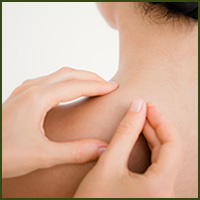 Acupuncture has been used for millennia to treat eye disease. Today, acupuncture can help preserve vision for those with a wide range of eye conditions including macular degeneration, glaucoma, eye floaters, dry eyes, cataracts and much more. Part of Traditional Chinese Medicine, acupuncture involves a practitioner inserting tiny needles into the skin. It is licensed and regulated by most states in the US. How does acupuncture work, and what are its effects on supporting eye conditions? What could you expect from acupuncture treatments? What can you do at home?
Natural Eye Care owners Michael Edson, L.Ac. and Marc Grossman, OD, L.Ac are both licensed acupuncturists specializing in the eye; Dr. Grossman is also a Doctor of Optometry. Here are the answers to these questions and more.
Read More »
The different parts of your eye have special needs. Many antioxidants, vitamins, minerals and fatty acids are needed for good vision. But different parts of the eye especially need specific nutrients. A healthy diet can provide most of these nutrients – so, take a look at Food for Your Eyes.
Read More »
 Astaxanthin is an extremely powerful antioxidant that is sometimes overlooked. It protects the body from free radical damage. Ten times more powerful than beta-carotene, astaxanthin is a carotenoid that can cross the blood-brain barrier1. This means it can reach the retina and macula of the eye.
Seniors need to be especially protective of their eye health. In Age-Related Macular Degeneration, the yellowish-colored macular responsible for central vision begins to break down. This makes driving, reading, cooking and recognizing faces difficult or impossible. Cataracts cause haziness and blurring as the lens becomes obscured. And glaucoma gradually steals peripheral vision due to damage to the optic nerve. A large body of research points
Read More »
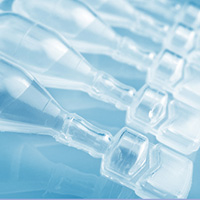 A homeopathic eye drop called Pleo-MUC (Mucokehl) is designed to increase circulation and reduce congestion in the eye. The drops are aimed at helping dry, irritated eyes. They are indicated for cataracts, glaucoma, dry eye syndrome and conjunctivitis.
Homeopathy uses a dilution of certain substances to counteract a condition or disease. This technique was founded by Samuel Hahnemann in Germany in 1796. Based on the principle of “like cures like,” the substances that cause disease in a healthy person are given in a highly diluted formula to people with the health condition. Only a few molecules, or none, of the original substance are in a homeopathic remedy, but what is left is the energy stamp of the nutrient. When taken by an individual, they help support the body’s natural healing process related to that person’s health issue.
Read More »
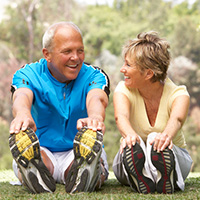 Middle-aged people and seniors are far more likely to develop Macular Degeneration, glaucoma, cataracts and diabetic retinopathy than those in their youth. It is true that some eye diseases strike the young. These tend to be genetically-based diseases, and they are rare. The incidence of eye diseases in the United States goes up dramatically with age:
Read More »
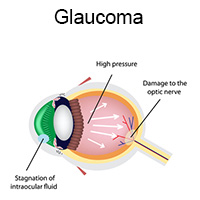 A new “smart” contact lens has been shown to detect accurately intraocular pressure in glaucoma patients. This technology may be useful for predicting which patients are deteriorating rapidly. Their treatment plan can be modified accordingly to help preserve more vision.
This study used the Sensimed Triggerfish® contact lens system. Columbia University Medical Center researchers found that specific electrical signals from the “smart” contact lenses correlated with the rate of the disease’s
Read More »
 Retinal Vein Occlusion is the blockage of veins that drain blood from the retina in the eye. The eye circulatory system depends on releasing blood back to the heart after it has nourished the retina. When the vein is blocked, hemorrhaging occurs, damaging the retina. It is typically caused by atherosclerosis, a common condition especially in older people that damages the arteries. “Occlusion” means the blockage or closing of a blood vessel.
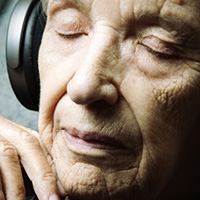 A small study on glaucoma patients found that relaxation music temporarily improved certain measurements associated with this eye disease. Specifically, daily intraocular pressure was significantly reduced, and best corrected visual acuity improved. Also, short-term mental state was improved.
The beneficial effects of certain types of music are well-documented. Soothing music that helps the listener relax has been found to reduce indicators of stress, such as faster recovery from a stressor, the
Read More »
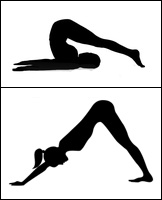 Yoga is generally considered a perfect exercise for overall health; however, head-down positions may be harmful to glaucoma patients. A small study at a yoga studio found that positions that put the head downward increased intraocular pressure. The positions studied were Adho Mukha Svanasana, Uttanasana, Halasana and Viparita Kirani.
Intraocular pressure is associated with glaucoma, a serious and degenerative eye disease. During a standard eye exam, this pressure is often used as a screening.
Read More »
Natural Eye Care, Inc.
3 Paradies Lane
New Paltz, New York 12561
Phone: 845.475.4158

NaturalEyeCare™ started in 1999 to help the public and professionals learn about complementary care in eye disease treatment.
The information and recommendations we offer are based on over 30 years of peer review research and personal clinical experience which guides us in providing a valuable resource to our readers, customers and patients regarding maintaining healthy vision naturally.
We believe that vision health is intimately connected to overall mental, physical and spiritual health. Therefore we encourage people to look at their overall lifestyle and diet as part of keeping healthy vision and reducing the risk of eye disease onset. This includes diet, regular exercise, and management of daily stress. If one has health issues such as high blood pressure, a thyroid imbalance, any autoimmune disease and/or are on medication(s), these possible contributions to eye disease should considered when working with your health care professional.
Please do not hesitate to call us at 845.475.4158 with any questions and concerns.