
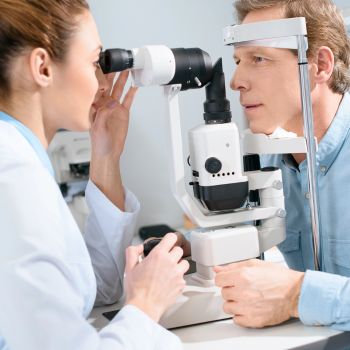
 The cornea plays a crucial role in our vision. It is the transparent tissue at the front of the eyeball where light enters the eye. Approximately 65% to 75% of the refraction of light occurs in the cornea. The cornea also protects against external threats and harmful UV radiation. However, this vital part of our eye is constantly under siege. The cornea faces oxidative stress daily due to its high exposure to light and intense metabolic activity. The main culprit is ultraviolet radiation from the sun, which triggers the formation of Reactive Oxygen Species (ROS). These harmful free radicals can wreak havoc on the cells if not kept in check by antioxidants. While the cornea absorbs all UVC and most UVB rays, UVA rays are primarily absorbed by the lens.
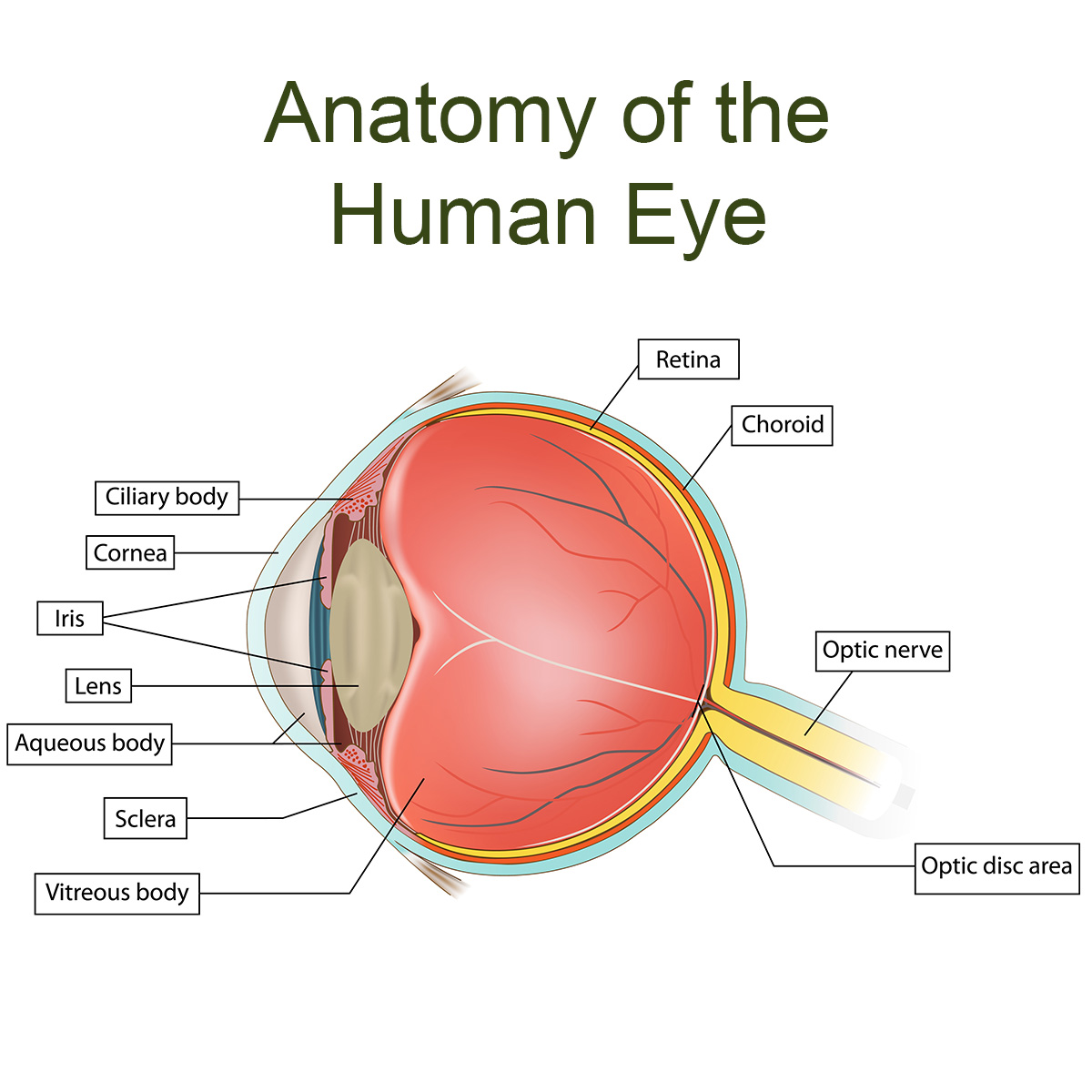 The eyes are small, but they have many parts including the eyelids, sclera, cornea, lens, optic nerve and retina. We depend heavily on our vision. When something goes wrong, the eyes are disproportionately affected. For example, a senior at risk of heart disease is also at risk of an ocular arterial or vein occlusion. Also, the macula requires a yellow-colored nutrient (lutein and zeaxanthin) found in certain vegetables such as green leafy vegetables, red, yellow and green peppers, corn and eggs. And antioxidants found in fresh fruits and vegetables have been shown to reduce oxidative eye damage and eye disease.
Read More »
 Corneal abrasions are scratches on the outermost part of the eye. Sometimes a painful injury is the clear cause. Other times, symptoms can build slowly over a few hours. A corneal abrasion causes so much discomfort that sufferers should seek medical care quickly. The scratch can become infected and cause serious damage in as little as 24 hours. Therefore, recognizing a corneal abrasion could save your sight.
The cornea has 6 layers, and it is very sensitive. It helps the body regulate tear production. The cornea sends signals to the brain to direct it to tell the lacrimal glands whether more or less tears are needed every moment.
Read More »
 When eye injuries occur, eye first aid can prevent blindness and vision loss. Eye injuries can be inconsequential or life-changing. Know what to do with each type of eye injury. Also learn how to prevent injuries to the eyes. Most eye injuries can be prevented with protective eyewear. You should keep certain items on-hand in case of eye injuries.
 People who have advanced eye disease have waited too long to improve their vision health. Keeping the eyes health is a lifetime endeavor. An unhealthy lifestyle and poor nutrition lead to a higher risk of eye diseases. Researchers have linked cataracts, macular degeneration, glaucoma, optic neuropathy, retinal vein occlusions, and other eye conditions to mostly-controllable risk factors. Seniors are especially at risk. Natural Eye Care offers this guide to improving vision health.
Read More »
 Eye washes provide natural relief for irritated, inflamed eyes. Natural Eye Care recommends eye washes for a wide variety of eye conditions. Good lid hygiene can both soothe and prevent eye irritation.
Eye irritation can be caused by conjunctivitis, bacterial or viral infections, dry eyes, hormonal changes, allergies, drug side-effects, dehydration, excessive screen time,
Read More »
 Optic neuritis is swelling and inflammation of the optic nerve that can cause eye pain, visual impairment, dull colors, and/or flashing lights. Since the optic nerve carries visual information to the brain, any symptoms of optic neuritis should be checked by a doctor immediately. If a patient has just one incident, chances are good that they will fully recover. However, inflammation of the optic nerve can be the first sign of multiple sclerosis, a serious degenerative disease.
One of the dangers of this problem is that the optic nerve can lose some of its myelin. The myelin sheath is fatty tissue that protects the nerves. When the myelin sheath is compromised, the nerves can be damaged. This is one important reason to consult
Read More »
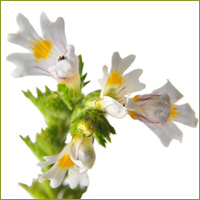 European researchers have been looking at what makes eyebright tick and why it has long been regarded in traditional folk medicine as a helpful herb for eye conditions. Turns out that eyebright supports more than eye health. Wikipedia describes eyebright as having possible benefits not only for blepharitis and conjunctivitis, but for eye strain, colds and sinus infections, allergies and hay fever and sore throats and coughs.
Eyebright has anti-microbial action and is more effective in concentrations of at least 512 micrograms per milliliter against a number of nasty microbes associated with eye infections.
 Iritis is a common diagnosis that literally means “inflammation of the iris,” the colored part of the eye. Anterior uveitis is a more technical term for iritis. There are many possible causes, and sometimes the cause cannot be identified. Due to the complexity of the vision system, any suspected case of eye inflammation should be examined by an optometrist, ophthalmologist or medical doctor. Most of the time, iritis resolves in less than 6 weeks; however, iritis can reoccur. It can signal acute or chronic underlying disease in the body, and therefore should be cared for by a qualified healthcare professional. Without proper treatment, iritis can lead to cataracts, glaucoma, an irregularly sized and sluggish pupil, calcium deposits in the cornea, central serous choroidopathy, or retinal swelling (cystoid macular edema).
Read More »
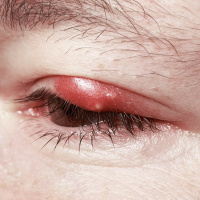 Most people have heard of styes mainly because they have had one. A chalazion is somewhat similar to a sty, but it is not the same thing. A sty is an acute infection of one of the oil-producing glands of the upper and lower eyelids, called meibomian glands. Each eye has 30-40 meibomian glands.
A chalazion is a clogged meibomian gland. The gland becomes blocked and oil builds up inside it. Eventually, the gland breaks open and leaks excess oil into the surrounding tissue, causing inflammation. While chalazia can hurt like styes do, they are more frequently painless lumps on the upper or lower eyelid. They occur most frequently in persons 30-50 years of age, but children can also get them.
Read More »
Natural Eye Care, Inc.
3 Paradies Lane
New Paltz, New York 12561
Phone: 845.475.4158

NaturalEyeCare™ started in 1999 to help the public and professionals learn about complementary care in eye disease treatment.
The information and recommendations we offer are based on over 30 years of peer review research and personal clinical experience which guides us in providing a valuable resource to our readers, customers and patients regarding maintaining healthy vision naturally.
We believe that vision health is intimately connected to overall mental, physical and spiritual health. Therefore we encourage people to look at their overall lifestyle and diet as part of keeping healthy vision and reducing the risk of eye disease onset. This includes diet, regular exercise, and management of daily stress. If one has health issues such as high blood pressure, a thyroid imbalance, any autoimmune disease and/or are on medication(s), these possible contributions to eye disease should considered when working with your health care professional.
Please do not hesitate to call us at 845.475.4158 with any questions and concerns.