
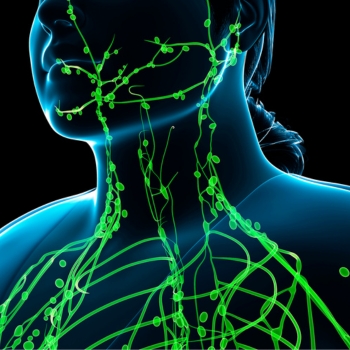
Detoxification is essential for maintaining health. It is the body’s natural process of identifying, breaking down, and eliminating potentially harmful substances. The liver does most of this work, while the kidneys, digestive system, lungs, skin, and lymphatic system help remove waste through urine, stool, breath, and sweat. The body continuously detoxifies itself; it does not require special cleanses or extreme diets to perform these essential functions. Several mechanisms in the body accomplish this work.
Two of the most important are the glymphatic and lymphatic systems.
The glymphatic system is the brain’s waste-clearance pathway. It relies on glial cells and cerebrospinal fluid to remove metabolic waste, especially during deep sleep.
Read More »
 A healthy, nutrient-rich diet supports long-term brain and eye health and may help lower the risk of serious conditions like Alzheimer’s disease and other dementias, as well as vision disorders such as macular degeneration and glaucoma.
One eating pattern often highlighted for these benefits is the Mediterranean-style diet. Research links consistent adherence to this approach with lower overall mortality, reduced deaths from cardiovascular disease and cancer, and a decreased likelihood of developing chronic, degenerative illnesses.1
Read More »
 The “battery” of the cell, the mitochondria, is crucial to good health. However, when mitochondrial function is compromised, it can lead to a host of health issues, ranging from neurodegenerative disorders to cardiovascular diseases. Understanding the intricate relationship between mitochondrial health and overall well-being is essential, particularly when it comes to brain and eye health. What roles do mitochondria play in memory, cognition, and the pathogenesis of Alzheimer’s Disease? How do chronic stress and oxidative stress impact mitochondrial function? Do certain nutrients and dietary habits support these vital organelles? Can exercises help to maintain optimal mitochondrial health and, therefore, overall health?
Read More »
 Exposure to electromagnetic fields has been considered a potential contributor or cause to many chronic illnesses for about 20 years. What is becoming more apparent is that EMF pollution when combined with toxins and poor diet makes chronic disease more likely.
 A pilot study has found that for patients who were not responding well to depression medication, adding the over-the-counter supplement S-adenosylmethionine (SAMe) improved their condition. The research appeared in the April 2015 edition of Advances in Integrative Medicine, a peer-reviewed journal.
About 40% of depressed patients who take selective serotonin reuptake inhibitors (SSRI) have mixed results, and 30% have poor results. SSRI is a standard pharmaceutical treatment for clinical depression, and the medication can have side effects
Read More »
 Homocysteine is an amino acid that can be measured with a simple blood test. The study, which appeared in the Journal of Affective Disorders in August 2013, studied 358 people aged 50 and up who had symptoms of depression.
They gave the subjects cognitive tests that looked at immediate and delayed memory, as well as global cognitive performance. They measured
Read More »
 There is no cure for the degenerative brain disease called Alzheimer’s, and current conventional treatments have a limited effect. However, research into a drug used to treat skin cancer may show “stunning” potential to help with Alzheimer’s disease.
The drug is called bexarotene. So far, the experiments have only been done on mice. The research was done at Case Western Reserve University.
Alzheimer’s occurs in older people, and symptoms include a pattern of forgetfulness, disorientation, misplacing things, short attention span, difficulty in performing routine tasks, poor judgment, language problems, problems with thinking, depression, irritability, paranoia, hostility, and lack of initiative. It is also called “Elderly Dementia.”
Read More »
 A recent study showed that bipolar children spend less time making eye contact with people – looking at their eyes – versus typical children. Instead of looking at the eyes, bipolar children and children with severe mood dysregulation in the study spent less time looking at the eyes when observing faces. Instead, they spent more time with their eyes on the mouth and nose.
U.S. National Institute of Mental Health investigators suggested the eye contact habits of bipolar children as a possible explanation why these children have trouble determining how other people feel.
Read More »
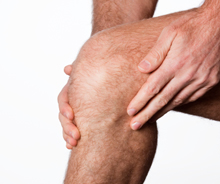
There is more evidence supporting the power of the mind-body connection.
A new study finds that depression can cause an increase in the pain associated with arthritis of the knee.
A study in South Korea of 660 men and women over age 65 suffering from osteoarthritis of the knees were evaluated using X-rays. They were also screened for depression. Those with joint damage were more likely to report high levels of pain, which one would expect. Researchers also discovered, however, that people with depression who seemed to have mild cases of arthritis based on the X-rays had much higher levels of reported pain.
Read More »
Natural Eye Care, Inc.
3 Paradies Lane
New Paltz, New York 12561
Phone: 845.475.4158

NaturalEyeCare™ started in 1999 to help the public and professionals learn about complementary care in eye disease treatment.
The information and recommendations we offer are based on over 30 years of peer review research and personal clinical experience which guides us in providing a valuable resource to our readers, customers and patients regarding maintaining healthy vision naturally.
We believe that vision health is intimately connected to overall mental, physical and spiritual health. Therefore we encourage people to look at their overall lifestyle and diet as part of keeping healthy vision and reducing the risk of eye disease onset. This includes diet, regular exercise, and management of daily stress. If one has health issues such as high blood pressure, a thyroid imbalance, any autoimmune disease and/or are on medication(s), these possible contributions to eye disease should considered when working with your health care professional.
Please do not hesitate to call us at 845.475.4158 with any questions and concerns.