
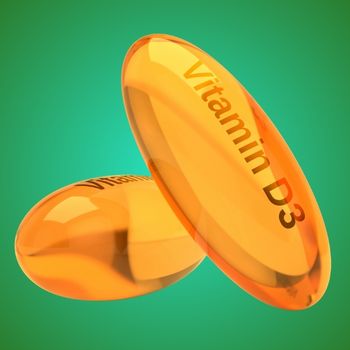
Vitamin D is often called the “bone vitamin,” but that’s only part of the story. Vitamin D3 (cholecalciferol) also influences systems your eyes rely on every day—especially as we get older: inflammation control, immune regulation, oxidative stress protection, and even how the body manages blood vessel growth.
And here’s the real-world issue: most people don’t get enough vitamin D consistently. Food sources are limited, sunlight is seasonal and complex (plus many of us avoid it for skin health), and modern indoor life takes care of the rest.
Read More »
 Staying hydrated is an essential part of maintaining health. Drinking healthy fluids throughout the day helps the body detoxify and is critical in maintaining temperature control and proper blood viscosity. Seniors, in particular, generally do not drink enough water.
Why are we told to stay hydrated for our health? At Natural Eye Care, we care about the eyes and the body. Thus, keeping the body’s fluid balance is part of maintaining vision health. While 60% of the human body is composed of water, the eye is 98% water. Dehydration impairs the functioning of all systems in the body. Overhydration is also dangerous. In this article, we discuss the benefits of hydration, the deleterious effects of chronic dehydration, and how much water you need to drink.
Read More »
 Myopia is one of the main reasons people start wearing glasses when they are young. Far objects are blurry, and close-up objects are clear when you are nearsighted or myopic. Did you know that lifestyle and daily habits can have a big impact on the development of myopia? Reducing the risk of myopia in children and teens is essential because this eye condition can lead to more serious eye problems. For example, it increases the risk of retinal detachment, glaucoma, and cataracts. Myopia can also strike adults. Avoiding corrective lenses entirely should be enough motivation to head off the problem. What can you do to help yourself and your family?
Read More »
 Getting enough sleep is crucial to your daily life and long-term health. However, many seniors struggle to get sufficient sleep. They also may have difficulty with the quality of sleep. What do the statistics show? How bad is sleep deprivation for your health? And what are some natural solutions?
Sleep comes naturally. So why do we see these shocking sleep statistics?
Read More »
 Myopia on the Rise
Lifestyle changes resulting in reduced outdoor activities coupled with rapid urbanization have been associated with a huge increase in nearsightedness (myopia) across many parts of the world. Indoor activities include concentrated near-work and digital device use which results in myopia.1
Read More »
 Smartphones, computers, tablets, and televisions are being blamed for a sharp increase in teenagers’ need for eyeglasses in the United Kingdom. The number of teens who need glasses nearly doubled, from 20% in 2012 to 35% in just four years later.1 Myopia was the diagnosis for 66% of these teens. Myopia, or nearsightedness, makes distant objects look blurry. Excessive up-close focusing is a risk factor for developing myopia.
Nearsightedness generally develops in childhood and stabilizes in teenagers. The eyeball becomes too long. Similar to a projector, light from the eye focuses on the retina. With nearsightedness, the light focuses in front of the retina, not on it. Sometimes the cornea is misshapen.
Read More »
 Glaucoma is a serious eye disease with many risk factors. Some risk factors are controllable; other risks are not. The main problems with glaucoma are late detection, permanent damage, and no cure. People who skip going to the eye doctor often notice no symptoms until glaucoma is well-established. Glaucoma is often referred to as the “silent thief.” Typically, are no eye symptoms until the person notices that peripheral vision is reduced. Glaucoma is not curable but with proper treatment often very manageable. Therefore, knowing your glaucoma risks and managing them can help prevent irreversible optic nerve damage.
Read More »
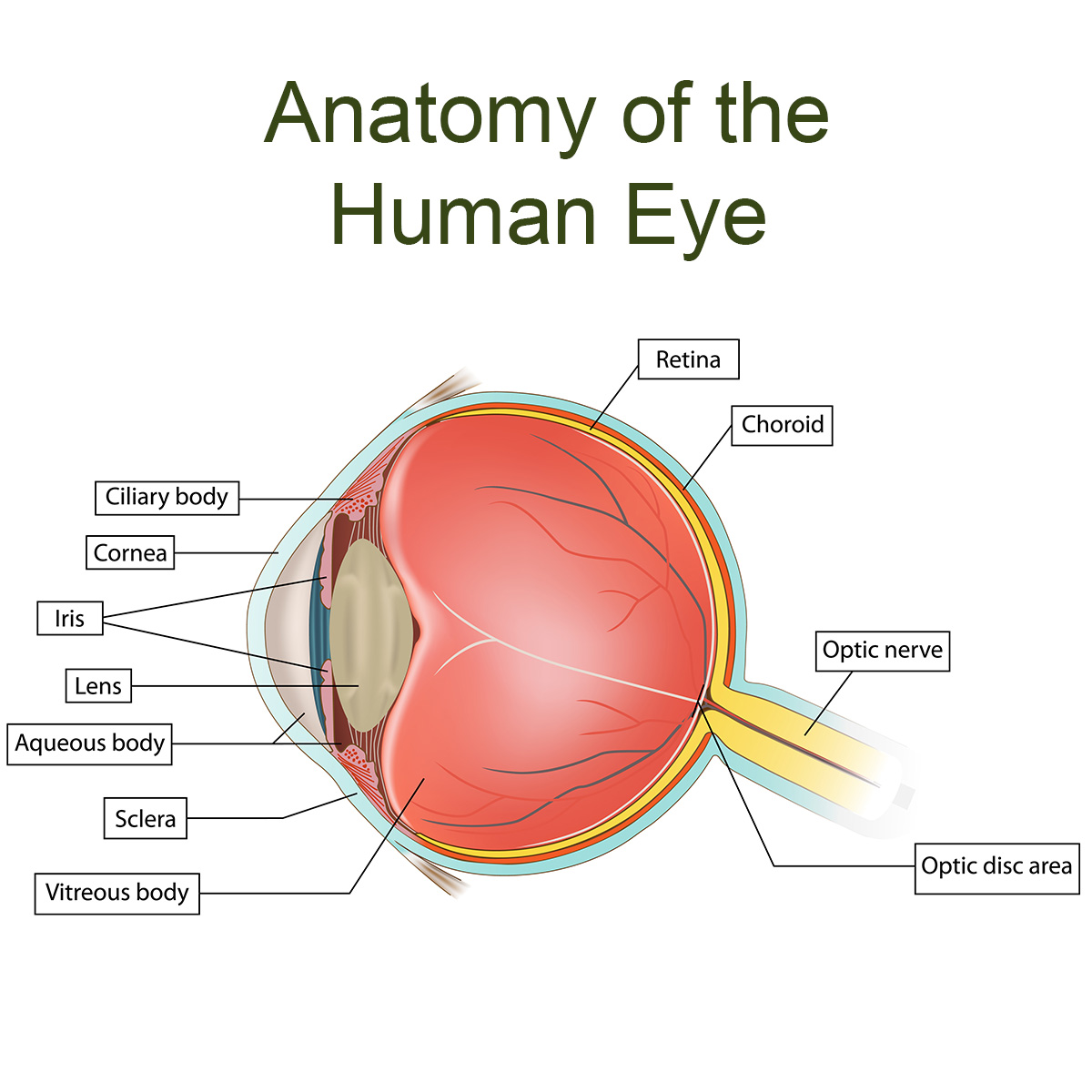 The eyes are small, but they have many parts including the eyelids, sclera, cornea, lens, optic nerve and retina. We depend heavily on our vision. When something goes wrong, the eyes are disproportionately affected. For example, a senior at risk of heart disease is also at risk of an ocular arterial or vein occlusion. Also, the macula requires a yellow-colored nutrient (lutein and zeaxanthin) found in certain vegetables such as green leafy vegetables, red, yellow and green peppers, corn and eggs. And antioxidants found in fresh fruits and vegetables have been shown to reduce oxidative eye damage and eye disease.
Read More »
 Israeli ophthalmologists are researching nanoparticle eye drops to treat near-sightedness (myopia) and far-sightedness (hyperopia). Scientists at Shaare Zedek Medical Center and Bar-Ilan University are working on a three-step process to correct the cornea. The treatment needs to be repeated every month or two. However, patients should be able to receive the treatment at home using a smartphone. Therefore, the treatment could be widely available and convenient.
Read More »
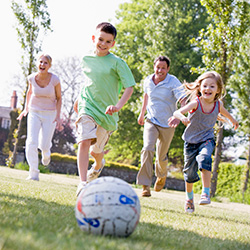 Myopia, or nearsightedness, is a common vision problem. Evidence is starting to show that sunlight has special properties beneficial to vision health. Specifically, exposure to sunshine reduces the risk of developing nearsightedness at all ages. The quality of artificial light and nutrition also play roles. The world’s most natural remedy is sunlight. Find out how much you need to stay healthy.
Natural Eye Care, Inc.
3 Paradies Lane
New Paltz, New York 12561
Phone: 845.475.4158

NaturalEyeCare™ started in 1999 to help the public and professionals learn about complementary care in eye disease treatment.
The information and recommendations we offer are based on over 30 years of peer review research and personal clinical experience which guides us in providing a valuable resource to our readers, customers and patients regarding maintaining healthy vision naturally.
We believe that vision health is intimately connected to overall mental, physical and spiritual health. Therefore we encourage people to look at their overall lifestyle and diet as part of keeping healthy vision and reducing the risk of eye disease onset. This includes diet, regular exercise, and management of daily stress. If one has health issues such as high blood pressure, a thyroid imbalance, any autoimmune disease and/or are on medication(s), these possible contributions to eye disease should considered when working with your health care professional.
Please do not hesitate to call us at 845.475.4158 with any questions and concerns.