
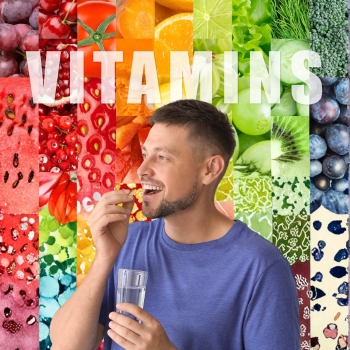
 Can one daily multivitamin help you remain active and independent as you grow older? New research offers a cautiously encouraging answer. In a large randomized study, adults age 60 and older who took a daily multivitamin for three years reported slightly better functional health than those who took a placebo. Functional health includes how well you manage everyday activities and how much symptoms interfere with daily life.
The study included more than 16,000 participants from the COSMOS trial. The differences were modest and were measured with questionnaires rather than objective physical tests. The findings were presented at the NUTRITION 2026 conference but have not yet been published in a peer-reviewed journal. They are interesting, but they do not prove that a multivitamin prevents disability or treats fatigue, shortness of breath, or swelling in the feet. New or worsening symptoms like these require medical evaluation. 1
A multivitamin can help fill nutritional gaps, especially when appetite, food choices, medications, or changes in digestion make it difficult to obtain enough nutrients. It cannot replace a varied diet, exercise, sleep, prescribed treatment, or regular eye care. Evidence also does not show that routine multivitamin use prevents every chronic disease. The most sensible goal is nutritional support, not a promise of disease prevention. 2
Read More »

Vitamin C is best known for immune support, but its role in healthy aging is broader than that. Ascorbic acid, the chemical name for Vitamin C, helps the body make collagen, supports blood vessel integrity, assists wound healing, improves the absorption of iron from plant foods, and acts as an antioxidant. These functions matter throughout the body, including in the brain and eyes.
A recent large study of older adults adds another reason to pay attention to vitamin C status. Researchers found that lower plasma vitamin C levels were associated with lower gray matter volume and weaker connectivity in a major brain network involved in memory, attention, and self-reflection. The study does not prove that vitamin C prevents brain shrinkage or cognitive decline. However, it does suggest that healthy vitamin C levels may be one marker of better brain aging. 1
Read More »
 Oxidative stress may be at the root of many eye diseases. The body depends on a careful balance between oxidants and antioxidants. When that balance is disrupted, delicate tissues in the eye can be damaged. In this article, we will focus on an important antioxidant defense system called the Keap1-Nrf2-ARE pathway, abbreviated as NRF2. We will also look at how this system may relate to major eye diseases, including age-related macular degeneration, cataracts, diabetic retinopathy, and glaucoma—conditions that together account for many cases of vision loss and blindness worldwide.
Free radicals, such as reactive oxygen species (ROS), are oxidants produced as by-products of aerobic metabolism. In addition to the natural metabolic production of ROS, environmental sources such as light, smoking, and exposure to or intake of heavy metals also contribute to increased ROS burden. 1
Read More »
 Glutathione is a master antioxidant, meaning it can help neutralize a wide range of free radicals in the body. This article explains the roles glutathione plays in the body, focusing on why it matters for healthy aging. We review how glutathione supports the eyes’ natural defenses against oxidative stress. And, we discuss research linking lower glutathione levels with common vision concerns such as cataracts, glaucoma, and macular degeneration, along with a brief look at emerging research on glutathione’s role in cellular protein handling. It also covers practical ways to support glutathione through diet and supplementation.
Read More »
 A large body of scientific research backs up the claim that astaxanthin is great for your body. As a potent antioxidant, astaxanthin scavenges free radicals that cause cellular damage. This benefits many parts of the body, including your skin, eyes, and brain. What is astaxanthin? Where does it come from? And what does the latest research say about its benefits?
Astaxanthin is a marine xanthophyll carotenoid primarily produced by microalgae like Haematococcus pluvialis. Dietary astaxanthin can be obtained through seafood, including salmon, trout, shrimp, and krill.
Read More »
 The US Department of Health and Human Services (HHS) released its long-awaited update to the nation’s dietary guidelines on January 7, 2026, promising a “historic reset” that puts real, minimally processed food back at the center of American nutrition policy 1. Chronic diseases like heart disease, diabetes, and obesity are high, and these guidelines aim to “Make America Healthy Again.”
On the other hand, the Mediterranean Diet is popular for its proven benefits in reducing the risk of chronic diseases and promoting long-term wellness. It focuses on plant-based meals, healthy fats, and a balanced lifestyle. At Natural Eye Care, we adapted the Mediterranean Diet specifically for people with vision issues and called it the Vision Diet. This diet includes additional recommendations on antioxidant intake, organic foods, and avoiding certain additives and fats 2.
Read More »
 What are the connections between caffeine, coffee and eye health? Do the negatives outweigh the positives? This is a tricky question, given the contradictory research on this popular beverage. Coffee is high in antioxidants that have broad health benefits. However, coffee is typically acidic, which can cause stomach symptoms. The caffeine in coffee is a stimulant that increases alertness, but it can also cause energy crashes. Caffeine research has not yet pinpointed the ideal amount of caffeine for better health. According to Traditional Chinese Medicine, coffee can be helpful or harmful, depending on the constitution of the drinker.
Read More »
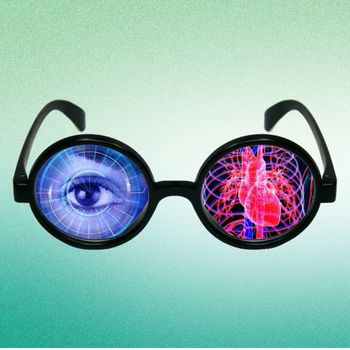 The link between cardiovascular disease and eye health may not be obvious. However, the eyes are made from nutrients. A large body of research shows how important nutrition is for eye health. Maintaining healthy vision depends on whether the eyes and visual system are properly nourished. Cardiovascular disease, including high blood pressure and atherosclerosis, can affect the flow of essential nutrients and oxygen to the eyes. Poor circulation to the eyes can cause damage to the retina’s tiny blood vessels, with potentially sight-threatening consequences. Cardiovascular disease can often be identified through retinal scans well before the disease is detectable through traditional tests.
Read More »
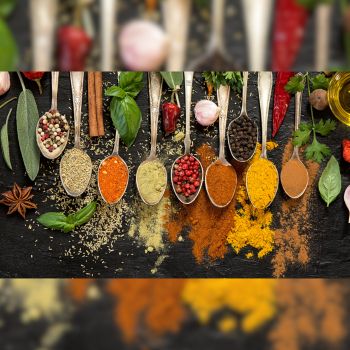 Herbs and spices do more than add flavor—they’re packed with nutrients that support vision, brain, and overall health. Used for centuries in traditional medicine, these powerful plants are now backed by modern research. Whether you add them to your meals or take them as supplements, the right herbs can play a key role in maintaining healthy eyes and aging well.
In this article, discover some of the most effective herbs for vision and wellness, along with general supplement dosage guidelines.
Read More »
 We are exposed to blue light daily when we over-use computers, smartphones, tablets, and televisions. We also get blue light from the sun, and LED and fluorescent lights The risks associated with blue-light exposure increase with the duration of exposure. Therefore, take steps to keep your eyes safer. We will explain research on blue light and macular degeneration, and provide tips for reducing blue light exposure.
Natural Eye Care, Inc.
3 Paradies Lane
New Paltz, New York 12561
Phone: 845.475.4158

NaturalEyeCare™ started in 1999 to help the public and professionals learn about complementary care in eye disease treatment.
The information and recommendations we offer are based on over 30 years of peer review research and personal clinical experience which guides us in providing a valuable resource to our readers, customers and patients regarding maintaining healthy vision naturally.
We believe that vision health is intimately connected to overall mental, physical and spiritual health. Therefore we encourage people to look at their overall lifestyle and diet as part of keeping healthy vision and reducing the risk of eye disease onset. This includes diet, regular exercise, and management of daily stress. If one has health issues such as high blood pressure, a thyroid imbalance, any autoimmune disease and/or are on medication(s), these possible contributions to eye disease should considered when working with your health care professional.
Please do not hesitate to call us at 845.475.4158 with any questions and concerns.