
Vitamin D is often called the “bone vitamin,” but that’s only part of the story. Vitamin D3 (cholecalciferol) also influences systems your eyes rely on every day—especially as we get older: inflammation control, immune regulation, oxidative stress protection, and even how the body manages blood vessel growth.
And here’s the real-world issue: most people don’t get enough vitamin D consistently. Food sources are limited, sunlight is seasonal and complex (plus many of us avoid it for skin health), and modern indoor life takes care of the rest.
Read More »
 Aged black garlic, a culinary staple, is gaining recognition for its unique flavor and remarkable health benefits. Garlic has long been celebrated for its medicinal properties. Aged black garlic is a fermented food with even more potency and health benefits. Recent research has uncovered the benefits of aged black garlic, particularly in relation to the cardiovascular system and the eyes, including glaucoma and diabetic retinopathy. From improving optic nerve blood flow and reducing intraocular pressure to boosting HDL cholesterol levels and mitigating heart disease risks, aged black garlic is a versatile and powerful ally in promoting overall health.
Read More »

Our eyes are constantly exposed to the external environment with frequent excess exposure to UVA/UVB light. Natural exposure to the sun is exacerbated by blue light exposure from mobile phones, E-readers, handheld gaming electronics, TV, computer monitors, and fluorescent and LED lighting.
In addition to blue/UV light, our long hours on computers and mobile phones cause stress on our visual system. Physical and visual fatigue reduces the free flow of energy and circulation to the eyes, often accompanied by muscle tension in the neck, shoulders, and lower back.
Read More »
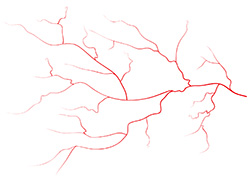 The structures in the back of the eye are supported by a complex array of capillaries and larger blood vessels. One reason why the body may try to grow new blood vessels (referred to as angiogenesis) is if these blood vessels are at all impaired, reducing the body’s ability to deliver blood, oxygen and essential nutrients to the back of the eyes, as well as effectively eliminate normal waste. Another reason may be lack of available essential nutrients for retinal and optic nerve support possibly due to a poor diet, lack of exercise, digestive issues or inflammatory conditions for example.
Read More »
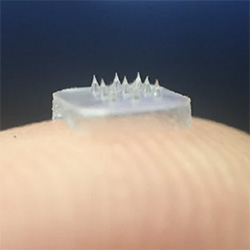 Instead of getting eye injections, patients with serious eye diseases may in the near future be eligible for a contact lens-type patch.1 Injections are often recommended for eye diseases such as Wet (advanced) Age-Related Macular Degeneration, macular edema, and diabetic retinopathy. The new patch is inserted painlessly like a contact lens. It delivers tiny microneedles containing medication. The microneedles are made from natural materials and dissolve over time, gradually releasing medicine. Patients would be more likely to stick with a regimen that does not involve eye injections.
Read More »
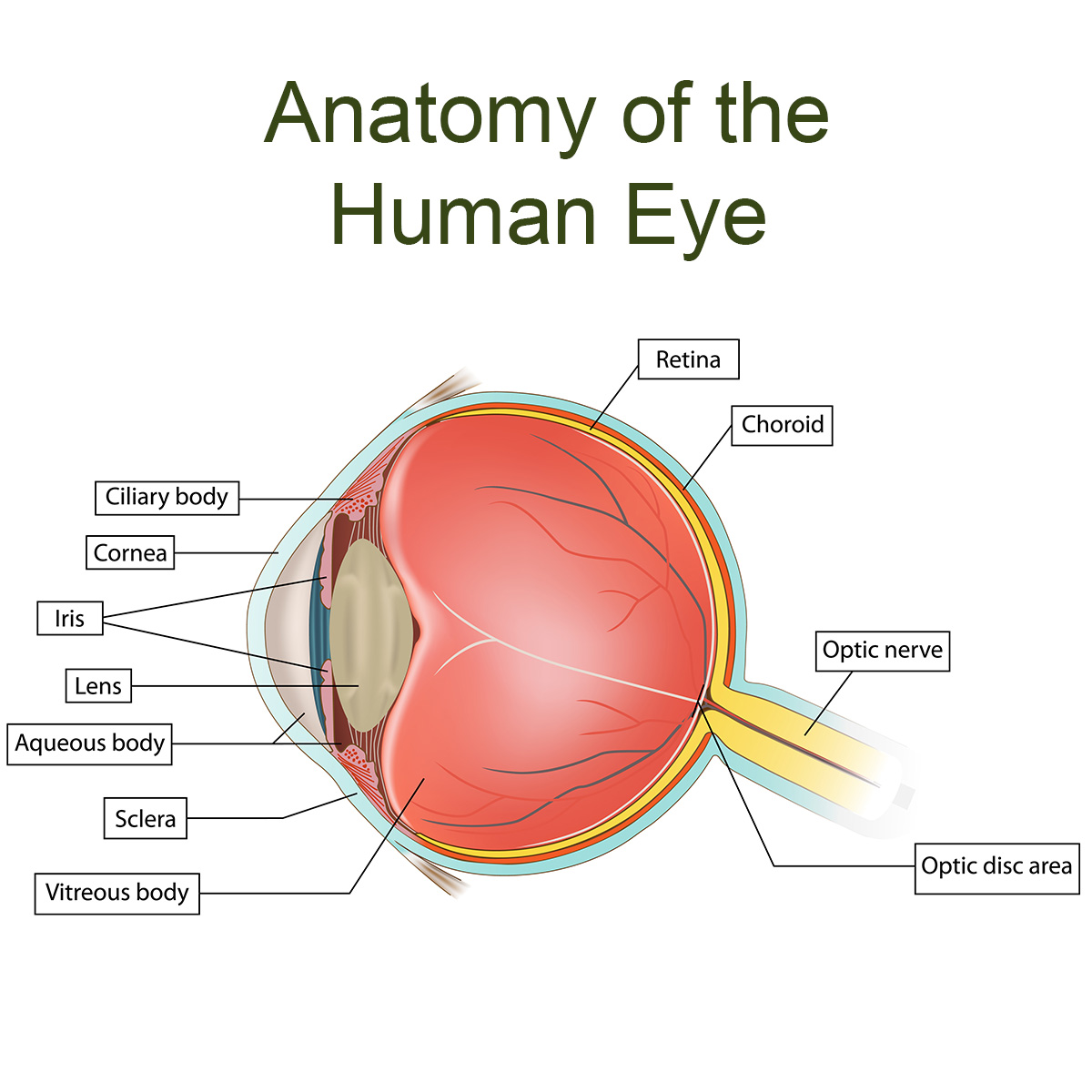 The eyes are small, but they have many parts including the eyelids, sclera, cornea, lens, optic nerve and retina. We depend heavily on our vision. When something goes wrong, the eyes are disproportionately affected. For example, a senior at risk of heart disease is also at risk of an ocular arterial or vein occlusion. Also, the macula requires a yellow-colored nutrient (lutein and zeaxanthin) found in certain vegetables such as green leafy vegetables, red, yellow and green peppers, corn and eggs. And antioxidants found in fresh fruits and vegetables have been shown to reduce oxidative eye damage and eye disease.
Read More »
 Have you ever heard that your eyes need plenty of nutrition? It’s true, and research backs this up. But did you know that the Standard American Diet tends to be very low in some eye-essential nutrients? The eyes are the second most physiologically active part of our body (#1 is the brain). At Natural Eye Care, we believe the eyes require approximately 25% of the nutrients we take into our body, if we eat a healthy diet. Even though most Americans consume enough calories, we may still have poor nutrition for the eyes. No wonder Macular Degeneration, cataracts, glaucoma, optic nerve
Read More »
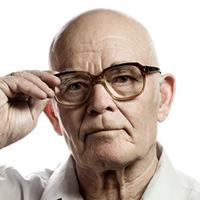 Macular edema is a swelling of the macula, the part of the eye responsible for central vision. When fluid builds up in the macula, it becomes swollen and thicker. This distorts vision. There are several causes, including diabetic retinopathy, post-eye surgery complications, macular degeneration, injury, systemic inflammatory diseases that can affect the eye, and/or vein blockages. If an eye disease causes damage to blood vessels in the retina, it can cause macular edema. Left untreated, this problem can cause serious vision loss and even blindness.
An eye doctor will direct your care should macular
Read More »
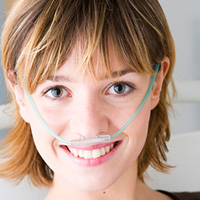 The role of supplemental oxygen in diabetic macular edema was the subject of a pilot study in 2004. Diabetic macular edema or DME is a side-effect of diabetes. DME occurs when retinal blood vessels leak into the macula apparently trying to provide more oxygen to the retina. This leakage causes swelling, which, in turn, causes part of central vision to become blurred.
Eye strain is the symptom that most people associate with overuse of electronic visual display devices — from television to laptops & desktops — to smartphones — to handheld games and ebooks.
Smartphone ownership has grown explosively with 68% of Americans owning smartphones in 2015 compared to 35% in 2011. Most adults under age 50 (79%-85%) are smartphone owners, and of the middle-age to senior group (age 50-64) more than half own and use smartphones. This growth has lead to increased rates of a number of vision conditions.
Read More »
Natural Eye Care, Inc.
3 Paradies Lane
New Paltz, New York 12561
Phone: 845.475.4158

NaturalEyeCare™ started in 1999 to help the public and professionals learn about complementary care in eye disease treatment.
The information and recommendations we offer are based on over 30 years of peer review research and personal clinical experience which guides us in providing a valuable resource to our readers, customers and patients regarding maintaining healthy vision naturally.
We believe that vision health is intimately connected to overall mental, physical and spiritual health. Therefore we encourage people to look at their overall lifestyle and diet as part of keeping healthy vision and reducing the risk of eye disease onset. This includes diet, regular exercise, and management of daily stress. If one has health issues such as high blood pressure, a thyroid imbalance, any autoimmune disease and/or are on medication(s), these possible contributions to eye disease should considered when working with your health care professional.
Please do not hesitate to call us at 845.475.4158 with any questions and concerns.