
 A large body of scientific research backs up the claim that astaxanthin is great for your body. As a potent antioxidant, astaxanthin scavenges free radicals that cause cellular damage. This benefits many parts of the body, including your skin, eyes, and brain. What is astaxanthin? Where does it come from? And what does the latest research say about its benefits?
Astaxanthin is a marine xanthophyll carotenoid primarily produced by microalgae like Haematococcus pluvialis. Dietary astaxanthin can be obtained through seafood, including salmon, trout, shrimp, and krill.
Read More »
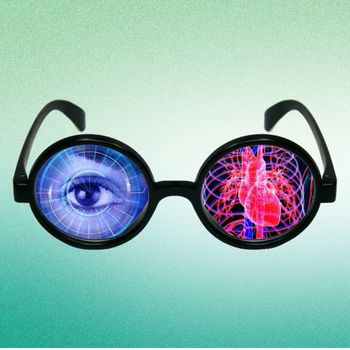 The link between cardiovascular disease and eye health may not be obvious. However, the eyes are made from nutrients. A large body of research shows how important nutrition is for eye health. Maintaining healthy vision depends on whether the eyes and visual system are properly nourished. Cardiovascular disease, including high blood pressure and atherosclerosis, can affect the flow of essential nutrients and oxygen to the eyes. Poor circulation to the eyes can cause damage to the retina’s tiny blood vessels, with potentially sight-threatening consequences. Cardiovascular disease can often be identified through retinal scans well before the disease is detectable through traditional tests.
Read More »
 The links between antioxidants and vision health are strong. Antioxidants are the antidote to oxidization. Normal metabolism creates free radicals. These are atoms that lack an electron. Free radicals roam about the body, scavenging electrons and stealing electrons from healthy cells. This results in permanent damage to these afflicted cells which ultimately can result in disease. Significant research has shown that antioxidants protect against this cellular damage and are essential for maintaining health. The eye is especially vulnerable to free radical damage. Therefore, providing the body with sufficient antioxidants
Read More »
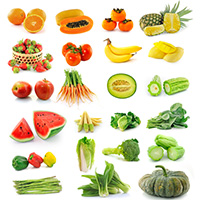 Stargardt’s Disease and Retinitis Pigmentosa are genetic eye diseases that involve the metabolism of vitamin A. However vitamin A has a different impact on the course of each disease. A recent study1 examined the total intake of vitamin A in both types of patients. It found that:
World Wide Beta Carotene Deficiency
The study, published in The Journal of Nutrition, states that many people across the world do not get the necessary 2 -4 mg of vitamin A. Source: Nutraingredients.
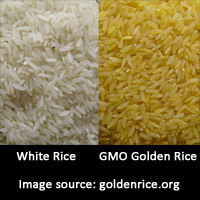
Controversy over GMO “Golden Rice”
A variety of rice genetically modified to contain beta-carotene awaits approval in the Philippines. Supporters claim the rice could be an answer to the widespread Vitamin A deficiency in the country. They hope to see the “Golden Rice” in fields within the year, after it passes biosafety tests.
Read More »
Natural Eye Care, Inc.
3 Paradies Lane
New Paltz, New York 12561
Phone: 845.475.4158

NaturalEyeCare™ started in 1999 to help the public and professionals learn about complementary care in eye disease treatment.
The information and recommendations we offer are based on over 30 years of peer review research and personal clinical experience which guides us in providing a valuable resource to our readers, customers and patients regarding maintaining healthy vision naturally.
We believe that vision health is intimately connected to overall mental, physical and spiritual health. Therefore we encourage people to look at their overall lifestyle and diet as part of keeping healthy vision and reducing the risk of eye disease onset. This includes diet, regular exercise, and management of daily stress. If one has health issues such as high blood pressure, a thyroid imbalance, any autoimmune disease and/or are on medication(s), these possible contributions to eye disease should considered when working with your health care professional.
Please do not hesitate to call us at 845.475.4158 with any questions and concerns.