
 Diabetic retinopathy is a leading cause of blindness among adults. Poor blood sugar balance can damage nerves, so nerve support is crucial for people with diabetes. Diabetic retinopathy is a serious eye condition stemming primarily from imbalances in blood sugar levels. When blood sugar is not properly managed, the body’s delicate nerve tissues, including the retina, can be injured.
At Natural Eye Care, we have examined the research on nutrients that help protect the eye, including the retina and blood flow to the eye. Research has identified oxidative stress and inflammation as key contributors to the onset and development of numerous eye conditions.
Read More »
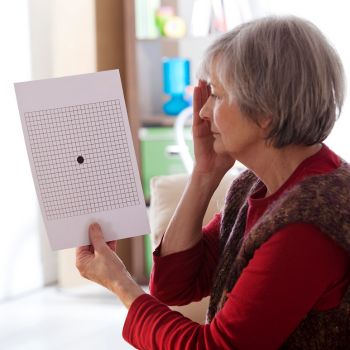 Macular degeneration is also known as AMD, which is an acronym for “Age-Related Macular Degeneration.” It is the leading cause of irreversible blindness. Limited conventional treatments are available. However, natural remedies can go a long way toward reducing the risk of AMD onset. They can help prevent AMD from progressing to the point of vision loss. And, in many cases, lifestyle considerations and targeted supplementation can improve vision loss from AMD.
Read More »
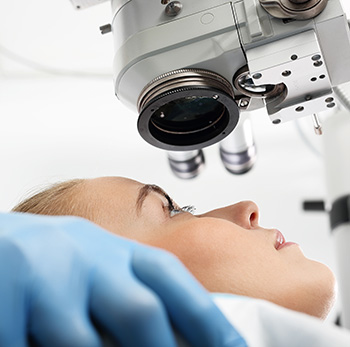 Two-thirds of your eye comprises the vitreous, composed of about 98% water and 2% collagen, hyaluronic acid, other substances, and fibers that attach to the retina. It takes up the space between the retina and the lens and has many important functions:

Subtle floating shapes
Floaters are a good name for the small dark shapes that float before our eyes. You might not notice them at all unless you are looking for them. They are common as we age. These spots may look like squiggles, strands, or any of a hundred other shapes. Though they can be annoying, floaters are physiologically harmless to the eyes.
But if you suddenly become aware of floaters, particularly accompanied by bright flashes of light, it may signal a vitreous tear or detachment, or a more serious condition such as a retinal tear or detachment, so you should contact your eye doctor right away.
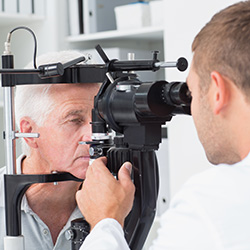 Getting a thorough eye exam has always been about more than reading letters off an eye chart. That is even truer today. One reason: We are harder on our eyes than ever before. Many of us spend hours each day staring and squinting at screens, developing digital eyestrain, and exposing our eyes to potentially damaging blue light.
But the typical tests offered during a standard eye exam may not go far enough to find problems as early as possible. Even a basic dilated eye exam may not be enough.
Read More »
Have you ever noticed specks or clouds in your field of vision? They are most likely eye floaters. Floaters can look like cobwebs, blobs, dots, or little insects that float around. Eye floaters can be semi-transparent or darker. If you have them, they are more noticeable in certain lighting conditions, such as bright sunlight. You might not notice them at all unless you are looking for them.
Read More »
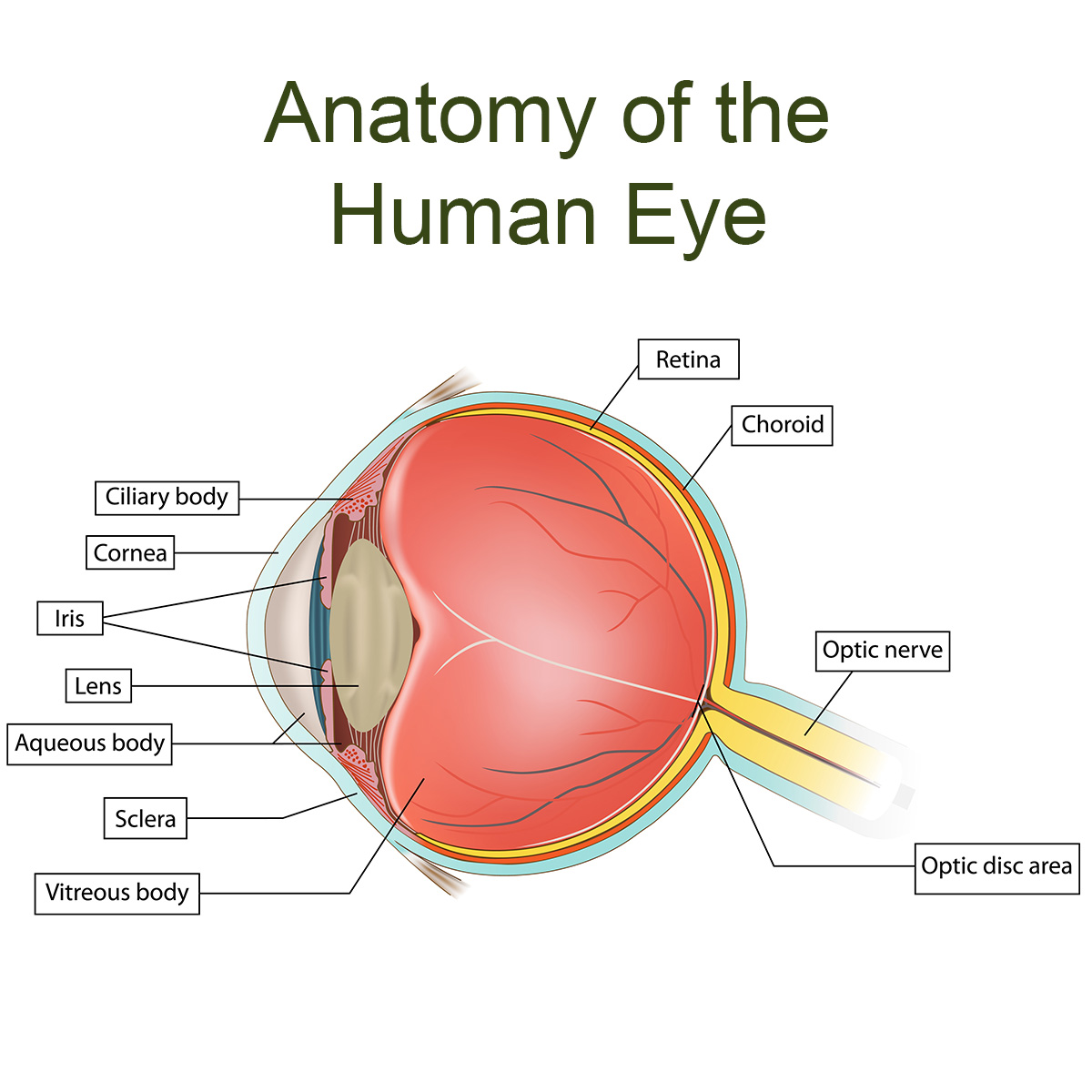 The eyes are small, but they have many parts including the eyelids, sclera, cornea, lens, optic nerve and retina. We depend heavily on our vision. When something goes wrong, the eyes are disproportionately affected. For example, a senior at risk of heart disease is also at risk of an ocular arterial or vein occlusion. Also, the macula requires a yellow-colored nutrient (lutein and zeaxanthin) found in certain vegetables such as green leafy vegetables, red, yellow and green peppers, corn and eggs. And antioxidants found in fresh fruits and vegetables have been shown to reduce oxidative eye damage and eye disease.
Read More »
 Have you ever heard that your eyes need plenty of nutrition? It’s true, and research backs this up. But did you know that the Standard American Diet tends to be very low in some eye-essential nutrients? The eyes are the second most physiologically active part of our body (#1 is the brain). At Natural Eye Care, we believe the eyes require approximately 25% of the nutrients we take into our body, if we eat a healthy diet. Even though most Americans consume enough calories, we may still have poor nutrition for the eyes. No wonder Macular Degeneration, cataracts, glaucoma, optic nerve
Read More »
 Chinese Medicine can support eye health and help preserve vision. This traditional modality is helpful for people looking to reduce the risk developing eye disease and maintain healthy vision. Additionally, patients with existing eye conditions such as chronic dry eyes, cataracts, glaucoma, macular degeneration, and eye floaters can benefit from Traditional Chinese Medicine as part of their treatment plan.
Chinese medicine includes the use of acupuncture, herbs, as well as Tui Na (massage therapy), Gui Sha (skin scraping), and Qigong (physical exercises and breathing techniques). Acupuncture involves tiny, disposable needles painlessly inserted at certain points on the body.
Read More »
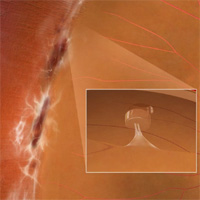 When our far peripheral retina, which is responsible for our extreme side vision, becomes weak and thin, its most common form is called “lattice degeneration.” This condition occurs in 8 to 11 percent of the normal population. It affects both eyes in 30-50% of patients who have the condition.
The fibrosed vessels within the atrophied retina form a “lattice” pattern, hence its name. Sometimes it is accompanied by retinal pigment epithelium (RPE) hyperplasia (an increase in cells), which gives the lesions a pigmented appearance. Some 18 to 42 percent of the
Read More »
Natural Eye Care, Inc.
3 Paradies Lane
New Paltz, New York 12561
Phone: 845.475.4158

NaturalEyeCare™ started in 1999 to help the public and professionals learn about complementary care in eye disease treatment.
The information and recommendations we offer are based on over 30 years of peer review research and personal clinical experience which guides us in providing a valuable resource to our readers, customers and patients regarding maintaining healthy vision naturally.
We believe that vision health is intimately connected to overall mental, physical and spiritual health. Therefore we encourage people to look at their overall lifestyle and diet as part of keeping healthy vision and reducing the risk of eye disease onset. This includes diet, regular exercise, and management of daily stress. If one has health issues such as high blood pressure, a thyroid imbalance, any autoimmune disease and/or are on medication(s), these possible contributions to eye disease should considered when working with your health care professional.
Please do not hesitate to call us at 845.475.4158 with any questions and concerns.