
 Staying hydrated is an essential part of maintaining health. Drinking healthy fluids throughout the day helps the body detoxify and is critical in maintaining temperature control and proper blood viscosity. Seniors, in particular, generally do not drink enough water.
Why are we told to stay hydrated for our health? At Natural Eye Care, we care about the eyes and the body. Thus, keeping the body’s fluid balance is part of maintaining vision health. While 60% of the human body is composed of water, the eye is 98% water. Dehydration impairs the functioning of all systems in the body. Overhydration is also dangerous. In this article, we discuss the benefits of hydration, the deleterious effects of chronic dehydration, and how much water you need to drink.
Read More »
 Diabetic retinopathy is a leading cause of blindness among adults. Poor blood sugar balance can damage nerves, so nerve support is crucial for people with diabetes. Diabetic retinopathy is a serious eye condition stemming primarily from imbalances in blood sugar levels. When blood sugar is not properly managed, the body’s delicate nerve tissues, including the retina, can be injured.
At Natural Eye Care, we have examined the research on nutrients that help protect the eye, including the retina and blood flow to the eye. Research has identified oxidative stress and inflammation as key contributors to the onset and development of numerous eye conditions.
Read More »
 Smartphones, computers, tablets, and televisions are being blamed for a sharp increase in teenagers’ need for eyeglasses in the United Kingdom. The number of teens who need glasses nearly doubled, from 20% in 2012 to 35% in just four years later.1 Myopia was the diagnosis for 66% of these teens. Myopia, or nearsightedness, makes distant objects look blurry. Excessive up-close focusing is a risk factor for developing myopia.
Nearsightedness generally develops in childhood and stabilizes in teenagers. The eyeball becomes too long. Similar to a projector, light from the eye focuses on the retina. With nearsightedness, the light focuses in front of the retina, not on it. Sometimes the cornea is misshapen.
Read More »
 Americans are spending at least 5 hours per day close-up looking at computers, tablets and smartphones.1 However, our eyes were not designed for extended hours of close-up work. In the same way that we need regular physical exercises, we also need eye exercises. We evolved as hunter-gathers, and our eyes are made to scan the landscape. Modern technology has resulted in wide-spread computer eye strain. Symptoms include short-term dry eyes, worsening farsightedness, nearsightedness and astigmatism, eye focusing disorders and poor eye coordination.
Read More »
 Everyone is sensitive to light to some degree, but light sensitivity, or photophobia is an abnormal intolerance for light. Discomfort can be experienced from light sources such as sunlight and fluorescent or other artificial lights. It may cause the person with light sensitivity to squint or to have to close their eyes. It can cause pain and/or tears. In some cases, this may be accompanied by a headache.
The brighter the light, the greater the discomfort. Generally people
Read More »
 It’s important to check with your doctor if you are suffering from chronic head pain. However, there are some natural remedies you may find helpful.
Exercise
Studies find that aerobic exercise is as effective at preventing migraines as the migraine medication topiramate. A study
Read More »
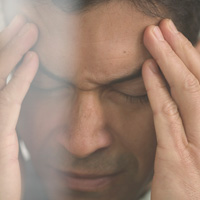 Everyone who suffers from migraine headaches wants to know how to prevent their next migraine. Recent strong research has resulted in guidelines for doctors to help prevent their patients’ future migraines, including the use of herbs, vitamins and minerals. The guidelines make recommendations for specific types of patients, such as patients with certain other conditions, obese patients, new migraine patients, and pregnant/lactating women.
This research, conducted by the Canadian Headache Society, reviewed a large body of double-blind studies according to standardized criteria. They also did a general literature review and got expert consensus for aspects of prophylactic (preventative) migraine therapies that did not have randomized clinical trials.
 Do your eyes spend more than 4 hours a day looking at the screen of an electronic device? If so, you are at risk for computer vision syndrome. Computer vision syndrome symptoms include eye strain, fatigue, dry eyes and headaches from staring at a screen too long.
Eye floaters are clumps of protein that may look like dots, squiggles, strands or any of a hundred other shapes. Though annoying, floaters are harmless, and there are ways to prevent them through proper diet. They commonly result from the natural aging process where the vitreous gel (that keeps the shape of the back of the eyes) starts to liquefy, resulting in gel pulling on the retina (people who are nearsighted are also at a greater risk of eye floaters). This results in protein debris being released into the vitreous gel that are referred to as “floaters”.
Read More »
Natural Eye Care, Inc.
3 Paradies Lane
New Paltz, New York 12561
Phone: 845.475.4158
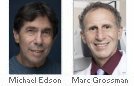
NaturalEyeCare™ started in 1999 to help the public and professionals learn about complementary care in eye disease treatment.
The information and recommendations we offer are based on over 30 years of peer review research and personal clinical experience which guides us in providing a valuable resource to our readers, customers and patients regarding maintaining healthy vision naturally.
We believe that vision health is intimately connected to overall mental, physical and spiritual health. Therefore we encourage people to look at their overall lifestyle and diet as part of keeping healthy vision and reducing the risk of eye disease onset. This includes diet, regular exercise, and management of daily stress. If one has health issues such as high blood pressure, a thyroid imbalance, any autoimmune disease and/or are on medication(s), these possible contributions to eye disease should considered when working with your health care professional.
Please do not hesitate to call us at 845.475.4158 with any questions and concerns.