
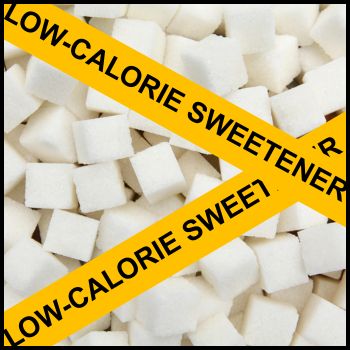
 Scientific studies strongly suggest that artificial sweeteners, once thought to be safe alternatives to sugar, are linked to significant health risks. Key findings include increased risks of cardiovascular disease, stroke, type 2 diabetes, metabolic syndrome, cognitive decline, and potential carcinogenicity.1 2 Artificial sweeteners discussed include erythritol, sucralose, and aspartame, which can alter gut microbiota,3 increase inflammation, and cause blood clotting.
Read More »
 Allergies to food can cause eye symptoms, but food allergies can also lead to vision problems. Grouped with food allergies are food intolerances and food sensitivities. While food allergies are an immune system reaction, intolerances and sensitivities are related to the digestive system. In this article, we discuss how individuals with these food issues need to protect their eyes from harm.
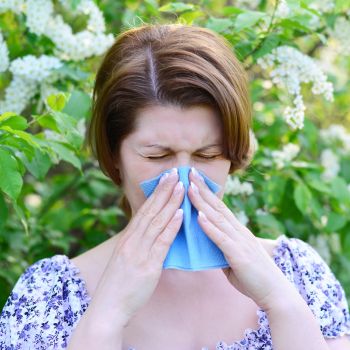 Spring brings the revival of vibrant flowering plants and an increase in pollen and plant-related allergies. Seasonal allergies are also called allergic rhinitis and hay fever. Symptoms affect the eyes of an estimated 40–60% of allergy-prone individuals. Eye-related allergic reactions range from mild discomfort to severe cases that may impair visual function, significantly impacting quality of life. Common symptoms include red, itchy eyes, swollen sinuses, and excessive tearing. Allergic rhinitis is your immune system trying to protect you by reacting to a foreign substance. However, allergens such as pollen are not inherently harmful. Therefore, hay fever is an immune system overreaction that can make you feel miserable.
Read More »
 Oxidative stress happens everywhere in the body and can create havoc over time. Many eye and brain diseases are triggered or exacerbated by oxidative stress. The body counteracts this stress by producing antioxidants. However, you must also ingest additional antioxidants through healthy food, drinks, and supplements. Green tea, rich in antioxidants, offers protective benefits for eye health by combating oxidative damage.1 At pennies per cup, this convenient and tasty beverage has been studied for its special antioxidant properties. What are the green tea benefits for seniors? Read on to find out.
Read More »
 Diabetic retinopathy is a leading cause of blindness among adults. Poor blood sugar balance can damage nerves, so nerve support is crucial for people with diabetes. Diabetic retinopathy is a serious eye condition stemming primarily from imbalances in blood sugar levels. When blood sugar is not properly managed, the body’s delicate nerve tissues, including the retina, can be injured.
At Natural Eye Care, we have examined the research on nutrients that help protect the eye, including the retina and blood flow to the eye. Research has identified oxidative stress and inflammation as key contributors to the onset and development of numerous eye conditions.
Read More »
 Homeopathic eye drops are in high demand among people experiencing dry eye, redness, and digital eye strain. At Natural Eye Care, we are excited to announce that our website offers a new line of homeopathic eye drops from Sunnie. Several of our flagship eye drops for these issues are no longer available, but Sunnie has stepped in with these safe remedies.
Homeopathy is a natural form of medicine that uses highly diluted substances to stimulate the body’s healing processes. It’s based on the principle that ‘like treats like.’ These innovative products are a testament to our commitment to providing natural and effective solutions for your eye care needs.
Read More »
 Allergy season is once again upon us, causing many people a great deal of discomfort, including eye irritation and redness. According to conservative estimates, more than one in five Americans has allergies, and the number rises every year.
And to compound the problem, researchers have noted that due to climate change, allergy season will be longer in the upper latitude of North America.
Read More »
 Red, itchy, watery eyes are common in the spring, when allergies and hay fever strike. Sometimes we wake in the morning and what we notice most is that our eyes are itchy and sore. This may be due to a combination of seasonal allergen sensitivity and tired eyes from computer eye fatigue.
Why are the eyes affected? What can you do about the effects of allergies on the eyes in the spring? Any why does eye fatigue worsen the feeling of itchy eyes?
Read More »
 You need to protect your eyes when the weather is dry or windy. During the colder seasons, relative humidity indoors is low. Outdoors, wind can blow dust, pollution, ice and snow. Find out how to protect yourself from dry eyes, allergens, irritation, and injury.
Dry eye is a common eye complaint. The eyes may feel itchy, burning, irritated, sore or gritty.
Read More »
 Eye washes provide natural relief for irritated, inflamed eyes. Natural Eye Care recommends eye washes for a wide variety of eye conditions. Good lid hygiene can both soothe and prevent eye irritation.
Eye irritation can be caused by conjunctivitis, bacterial or viral infections, dry eyes, hormonal changes, allergies, drug side-effects, dehydration, excessive screen time,
Read More »
Natural Eye Care, Inc.
3 Paradies Lane
New Paltz, New York 12561
Phone: 845.475.4158

NaturalEyeCare™ started in 1999 to help the public and professionals learn about complementary care in eye disease treatment.
The information and recommendations we offer are based on over 30 years of peer review research and personal clinical experience which guides us in providing a valuable resource to our readers, customers and patients regarding maintaining healthy vision naturally.
We believe that vision health is intimately connected to overall mental, physical and spiritual health. Therefore we encourage people to look at their overall lifestyle and diet as part of keeping healthy vision and reducing the risk of eye disease onset. This includes diet, regular exercise, and management of daily stress. If one has health issues such as high blood pressure, a thyroid imbalance, any autoimmune disease and/or are on medication(s), these possible contributions to eye disease should considered when working with your health care professional.
Please do not hesitate to call us at 845.475.4158 with any questions and concerns.