
 Oxidative stress happens everywhere in the body and can create havoc over time. Many eye and brain diseases are triggered or exacerbated by oxidative stress. The body counteracts this stress by producing antioxidants. However, you must also ingest additional antioxidants through healthy food, drinks, and supplements. Green tea, rich in antioxidants, offers protective benefits for eye health by combating oxidative damage.1 At pennies per cup, this convenient and tasty beverage has been studied for its special antioxidant properties. What are the green tea benefits for seniors? Read on to find out.
Read More »
 Hair loss is a prevalent concern, affecting both men and women. Surprisingly, there may be a connection between hair loss and eye conditions. This intriguing link stems from healthy vision being closely tied to overall bodily health. Chronic conditions such as diabetes, arthritis, and hypertension are associated with declining eye health. The root causes of many chronic conditions, such as incomplete nutrition and chronic inflammation, can damage hair and impede hair growth. Certain autoimmune diseases can cause alopecia. Both an underactive and overactive thyroid can cause hair loss and affect the eyes. Menopause impacts both the eyes and hair. In this article, we will explore androgenetic alopecia, hyperthyroidism and hypothyroidism, eyelash loss (madarosis), menopause, diet and vitamin deficiencies, and insights from Traditional Chinese Medicine.
Read More »
 DHA is one of the omega-3 fatty acids that nutritionists implore us to eat. Why are grilled salmon and canned tuna part of nearly every diet and nutrition plan? Fatty fish is just one good source of DHA and other crucial nutrients. Find out how omega-3 fatty acids reduce chronic inflammation and help prevent diseases such as macular degeneration (ARMD), glaucoma, and diabetes. Pregnant people need omega-3’s to help the fetus develop. How much omega-3 fatty acids should you eat? And how do you balance them with omega-6 fatty acids, found in refined foods and certain meats?
Read More »
 Dry eyes are among the most prevalent issues reported by our customers and patients. Women experiencing perimenopause and menopause frequently have dry eyes. However, it is increasingly observed across all age groups, largely attributable to prolonged use of digital devices such as computers, laptops, tablets, and smartphones. 1 2 This extended screen time alters blinking patterns over time and exposes us to environmental pollutants, contributing to the development of dry eye symptoms and meibomian gland dysfunction.
Read More »
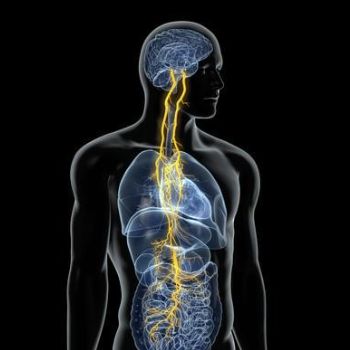 “Mind-body connection”? It is the link between our emotional/mental and physical selves. The link becomes evident as you learn about gut-brain access and the function of the vagus nerve.
Through two-way communication with the brain via the nervous system, endocrine system, and immune system, the gut and central nervous system form a gut-brain axis. They communicate with each other constantly, in both sickness and health.1 The gastrointestinal tract has its own nervous system that includes neurotransmitters, neurons, and electrical signals. Called the enteric nervous system, it is often referred to as the second brain. Researchers have concluded that mechanisms that degenerate the neurons in the brain also degenerate neurons in the enteric nervous system.2 For example, exercise stimulates gut motility. If the vagus nerve is impaired, as in animal models, the gut has limited motility and nutrient absorption is hindered.3
Read More »
 Have you ever noticed specks or clouds in your field of vision? They are most likely eye floaters. Floaters can look like cobwebs, blobs, dots, or little insects that float around. Eye floaters can be semi-transparent or darker. If you have them, they are more noticeable in certain lighting conditions, such as bright sunlight. You might not notice them at all unless you are looking for them.
Read More »
 Docosahexaenoic acid or DHA is a naturally-occurring chemical, so why might seniors need to supplement it? Our bodies create small amounts of this omega-3 fatty acid. DHA from the diet, such as seafood, also counts. Docosahexaenoic acid is crucial to brain development in infants, and it is found in large quantities in the brain and retina. Researchers have found that consuming extra DHA can fight eye disease. How much docosahexaenoic acid do you need to get these effects? Can you get enough through your diet, or do you need to supplement DHA for optimum health?
Read More »
 The eye disease glaucoma can be devastating to eyesight, so scientists are looking at risk factors such as folate intake. There are few good therapies once the disease sets in. Vitamins could potentially prevent glaucoma. A study in the Journal of the American Medical Association looked at folate intake and the risk of developing open-angle glaucoma, also called “pseudoexfoliation” or “exfoliation syndrome.”
Glaucoma mostly strikes the elderly. In open-angle glaucoma, a part of the eye does not drain correctly. Fluid builds up in the eye, damaging the optic nerve. Fluid pressure builds up in the eye. Glaucoma can
Read More »
 Eye washes provide natural relief for irritated, inflamed eyes. Natural Eye Care recommends eye washes for a wide variety of eye conditions. Good lid hygiene can both soothe and prevent eye irritation.
Eye irritation can be caused by conjunctivitis, bacterial or viral infections, dry eyes, hormonal changes, allergies, drug side-effects, dehydration, excessive screen time,
Read More »
Natural Eye Care, Inc.
3 Paradies Lane
New Paltz, New York 12561
Phone: 845.475.4158

NaturalEyeCare™ started in 1999 to help the public and professionals learn about complementary care in eye disease treatment.
The information and recommendations we offer are based on over 30 years of peer review research and personal clinical experience which guides us in providing a valuable resource to our readers, customers and patients regarding maintaining healthy vision naturally.
We believe that vision health is intimately connected to overall mental, physical and spiritual health. Therefore we encourage people to look at their overall lifestyle and diet as part of keeping healthy vision and reducing the risk of eye disease onset. This includes diet, regular exercise, and management of daily stress. If one has health issues such as high blood pressure, a thyroid imbalance, any autoimmune disease and/or are on medication(s), these possible contributions to eye disease should considered when working with your health care professional.
Please do not hesitate to call us at 845.475.4158 with any questions and concerns.