
 Brain fog can make it hard to recall words, concentrate, or complete everyday tasks. Even after spending enough time in bed, you might feel exhausted. Your eyes might feel dry, burn, or have trouble shifting focus.
What causes brain fog? Poor or broken sleep is one common cause. Sleep problems can affect your energy, memory, attention, and eye comfort. They can leave you feeling mentally cloudy and physically drained during the day.
Sleep problems are not the only possible explanation for tired eyes and brain fog. Diabetes, anemia, thyroid disorders, medications, nutritional deficiencies, and other health conditions can cause similar symptoms. In this article, we talk about symptoms of brain fog, poor sleep, and why tired eyes and brain fog often occur together. We also point out how excessive screen time can lead to brain fog. And we offer practical tips: eye exercises, easy lifestyle changes, nutritional support, and when to call a doctor.
Read More »
 GLP-1 drugs have produced remarkable weight-loss results for many people, but can these medications have serious side effects? Weight-loss medications containing semaglutide, including Wegovy and Ozempic, reduce appetite through several interconnected systems involving the brain, digestive tract, pancreas, hormones, and nerves. 1
Semaglutide does not appear to cross the blood-brain barrier freely. Instead, it can reach or influence selected appetite-regulating areas, including regions of the hypothalamus and brainstem. 2 By affecting appetite and food-reward signaling, the medication can help you feel satisfied with less food and may reduce cravings and eating motivated primarily by pleasure rather than hunger. 3
Read More »
 Glucosamine sulfate is one of the most popular supplements taken for joint support. More than 40 million Americans take this compound daily for stiff joints and pain associated with osteoarthritis. Eight percent of seniors report taking glucosamine, making people ages 60 and up the biggest market for this supplement. What does the research show about its effectiveness and potential side effects? In this article, we discuss these questions, and reveal a 2026 study that links accelerated dementia in glucosamine supplement users who already showed signs of dementia.
Glucosamine sulfate is primarily studied for its potential to relieve osteoarthritis (OA) symptoms, especially in the knees. Research also looks at its role as a potential cartilage-preserving agent, particularly in relation to osteoarthritis management.
Read More »
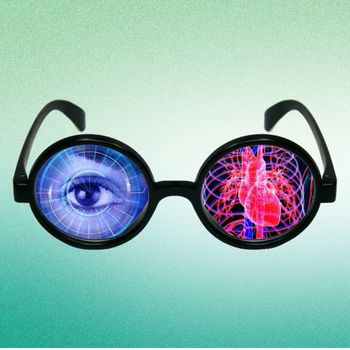 The link between cardiovascular disease and eye health may not be obvious. However, the eyes are made from nutrients. A large body of research shows how important nutrition is for eye health. Maintaining healthy vision depends on whether the eyes and visual system are properly nourished. Cardiovascular disease, including high blood pressure and atherosclerosis, can affect the flow of essential nutrients and oxygen to the eyes. Poor circulation to the eyes can cause damage to the retina’s tiny blood vessels, with potentially sight-threatening consequences. Cardiovascular disease can often be identified through retinal scans well before the disease is detectable through traditional tests.
Read More »
 We might not connect our eating habits to eye disease, but poor nutrition impairs circulation. Reduced circulation can contribute to eye diseases, including cataracts, glaucoma, retinal vascular occlusions, ischemic optic neuropathy (ION), dry eyes, macular degeneration, and diabetic retinopathy. Instead of being a “victim” of eye diseases in your senior years, you can take charge of your health today!
Read More »
 Wintertime is when colds and flu are the most common. Why should we try to avoid these infectious diseases, and how? In addition to annual vaccines, what are some natural ways to stay healthy during cold and flu season? At Natural Eye Care, we see healthy eyes as part of a healthy body. This article references research that supports lifestyle, nutrition, botanicals, and supplements to fight colds and flu. Find out how to avoid getting sick, reduce the impact, and recover faster.
Each year, approximately 5 to 20 percent of Americans come down with the flu. Although most recover without incident, flu-related complications typically lead to at least 200,000 hospitalizations and between 12,000 and 60,000 deaths each year. People tend to recover from bacterial-related colds much more quickly than virus-related colds. Seniors and small children are especially susceptible.

What is the relationship between brain health and eye health as we age? Our brains adapt and form new connections throughout our lives. Nutrition, lifestyle choices, and early detection play major roles in keeping the brain healthy, and the eyes. Find out about Natural Eye Care’s holistic approach to brain and eye health.
Our brains have an incredible ability to adapt and change as we age. Brain plasticity means that our brains can rewire themselves and form new connections, even as we get older.
 At Natural Eye Care, we view vision health from a whole-body perspective. Eye studies can reveal how to manage the visual system. However, the health of the eyes is connected to overall health. The visual system requires as much as 25% of the nutrients we take into our bodies. The brain needs even more. How we take care of ourselves goes a long way in helping to preserve healthy vision. Personal care includes emotional balance, and lifestyle considerations such as eating a healthy diet, exercising regularly, and targeted supplementation.
Read More »
 Is it possible to prevent cataracts, or even reverse cataracts? Can you put off cataracts surgery? Cataracts are one of the most common eye diseases in seniors. More and more people have a special “glint” in their eye when the light hits the lens just right. What is the value of preventing cataracts and other eye diseases?
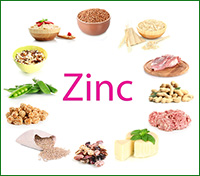 Researchers at Oregon State University found a link between chronic inflammation, immune dysfunction and zinc deficiency. 1 Inflammation is involved in cardiovascular disease and other diseases.
They introduced an inflammation-provoking substance to a human white blood cell culture. This resulted in an increase in the responses of the cytokines interleukin
Read More »
Natural Eye Care, Inc.
3 Paradies Lane
New Paltz, New York 12561
Phone: 845.475.4158

NaturalEyeCare™ started in 1999 to help the public and professionals learn about complementary care in eye disease treatment.
The information and recommendations we offer are based on over 30 years of peer review research and personal clinical experience which guides us in providing a valuable resource to our readers, customers and patients regarding maintaining healthy vision naturally.
We believe that vision health is intimately connected to overall mental, physical and spiritual health. Therefore we encourage people to look at their overall lifestyle and diet as part of keeping healthy vision and reducing the risk of eye disease onset. This includes diet, regular exercise, and management of daily stress. If one has health issues such as high blood pressure, a thyroid imbalance, any autoimmune disease and/or are on medication(s), these possible contributions to eye disease should considered when working with your health care professional.
Please do not hesitate to call us at 845.475.4158 with any questions and concerns.