
 New research studies have found strong relationships between lifestyle and the aging brain. How can you help prevent or delay Alzheimer’s Disease and other forms of dementia? The eye’s retina is brain tissue. Not surprisingly, researchers have found connections between Alzheimer’s Disease, glaucoma, and lifestyle. What does the new research show? Are nutrition, supplements, exercise, and smoking avoidance shown to help?
 As the New Year approaches, resolve to improve your vision health. Dr. Marc Grossman and Michael Edson, co-authors of Natural Eye Care 2nd Edition, developed this checklist of New Year resolutions for vision health. Pick one or more resolution. Regardless of your age, you can reduce your risk of developing eye disease. Eye disease such as cataracts, macular degeneration, and glaucoma are prevalent in seniors. A few simple steps can help preserve the precious gift of sight.
Read More »
 How can you save your vision regardless of your age? Eye disease is prevalent in seniors; however, people of all ages can take steps to protect their eyes. Here is Natural Eye Care’s guide to preserving the precious gift of sight.
Wear Sunglasses: The earth’s atmosphere has thinned, exposing our eyes to more ultraviolet light whenever we are outdoors. Wear 100% UVA/UVB protecting sunglasses when you are outside in the
Read More »
Smoking damages the entire body, including the eyes. The Australian government has introduced harsh laws to discourage the addictive habit. Cigarette packaging is plain, featuring gruesome color photos and statements such as “Smoking Causes Blindness.” What are Australia’s anti-smoking laws, and will they work? How does smoking cause blindness?
Smokers have a significantly higher chance of developing heart disease, lung cancer, emphysema, macular degeneration, cataracts, and glaucoma. Smoking during
Read More »
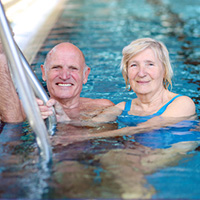 While Americans spend billions of dollars each year on how they LOOK, little attention is given to how they SEE. Seniors are especially vulnerable to eye diseases such as glaucoma, age-related macular degeneration, and cataracts, as well as hypertension-related eye damage such as retinal vein occlusion.
The American Academy of Ophthalmology issued guidelines on aging and the eye as a result of its 2015 Eye-Q© Survey1 (updated with 2016 data).
Here is a summary of their recommendations.
 Middle-aged people and seniors are far more likely to develop Macular Degeneration, glaucoma, cataracts and diabetic retinopathy than those in their youth. It is true that some eye diseases strike the young. These tend to be genetically-based diseases, and they are rare. The incidence of eye diseases in the United States goes up dramatically with age:
Read More »
 Scientists are putting significant focus on Age-Related Macular Degeneration in their research. This eye disease strikes mostly older adults, over aged 50. The “Baby Boomer” generation is well above age 50, as are their living parents. Understanding the causes and potential treatments for Macular Denegation (ARMD) are important, because vision-impaired elderly people need extra help with their daily activities. Also, quality of life is lowered when vision is poor.
The macula is a tiny yellowish spot in the back of the eye, on the retina. It allows for central vision. Central vision is possible because of the macula. If it breaks down, reading, writing, watching TV, cooking, driving and even facial recognition are impaired. Macular Degeneration is degenerative, meaning that it gets worse over time.
ARMD comes in two forms. The more common
Read More »
From before birth to the end of your life, smoking has a radical, nasty effect on your life: not only your health, but your social and mental life as well. It impacts every aspect of your life – your vision, your health, your happiness – from the time in the womb until your old age.
Read More »
 A significant study has found that the deleterious effects of traumatic brain injury in American football players can be mitigated using a natural regimen of weight loss (if needed), fish oil, vitamins, and brain-enhancing supplements including ginkgo biloba. The positive results could help reverse brain damage in contact sport athletes, alcohol and drug addicts, chronic traumatic encephalopathy (CTE) and people who have had brain damage from concussions.
 You may have heard that medical marijuana is sometimes used by glaucoma patients. When most people in the United States think of marijuana, many different images, words, and opinions come to mind. Marijuana, or cannabis, is known for its psychoactive effects and medicinal properties caused by a chemical within the plant called tetrahydrocannabinol, also known as THC. Marijuana is most commonly recognized as a recreational drug and is subject to many legal restrictions ranging from its use, to possession of certain amounts of the plant product.
Natural Eye Care, Inc.
3 Paradies Lane
New Paltz, New York 12561
Phone: 845.475.4158

NaturalEyeCare™ started in 1999 to help the public and professionals learn about complementary care in eye disease treatment.
The information and recommendations we offer are based on over 30 years of peer review research and personal clinical experience which guides us in providing a valuable resource to our readers, customers and patients regarding maintaining healthy vision naturally.
We believe that vision health is intimately connected to overall mental, physical and spiritual health. Therefore we encourage people to look at their overall lifestyle and diet as part of keeping healthy vision and reducing the risk of eye disease onset. This includes diet, regular exercise, and management of daily stress. If one has health issues such as high blood pressure, a thyroid imbalance, any autoimmune disease and/or are on medication(s), these possible contributions to eye disease should considered when working with your health care professional.
Please do not hesitate to call us at 845.475.4158 with any questions and concerns.