
 Smartphones, computers, tablets, and televisions are being blamed for a sharp increase in teenagers’ need for eyeglasses in the United Kingdom. The number of teens who need glasses nearly doubled, from 20% in 2012 to 35% in just four years later.1 Myopia was the diagnosis for 66% of these teens. Myopia, or nearsightedness, makes distant objects look blurry. Excessive up-close focusing is a risk factor for developing myopia.
Nearsightedness generally develops in childhood and stabilizes in teenagers. The eyeball becomes too long. Similar to a projector, light from the eye focuses on the retina. With nearsightedness, the light focuses in front of the retina, not on it. Sometimes the cornea is misshapen.
Read More »
 How can you save your vision regardless of your age? Eye disease is prevalent in seniors; however, people of all ages can take steps to protect their eyes. Here is Natural Eye Care’s guide to preserving the precious gift of sight.
Wear Sunglasses: The earth’s atmosphere has thinned, exposing our eyes to more ultraviolet light whenever we are outdoors. Wear 100% UVA/UVB protecting sunglasses when you are outside in the
Read More »
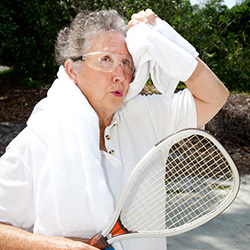 Almost everyone who plays sports is at risk of eye injury. From a flying puck in hockey to an eye poke in wrestling, all types of sports can result in eye injuries. Even the mild game of golf has a hidden hazard: the sun. Protective eyewear prevents most types of eye injury.
We depend heavily on our eyes to play sports. Hand-eye coordination is key. The eye is a delicate and exposed organ. Our eyelids provide some protection. We automatically blink when an object comes rapidly toward the eyes. The next level of defense is the cornea, the outermost protective layer of the eye. A scratched cornea is painful, but it preferable to life-changing lens or retinal damage.
Read More »
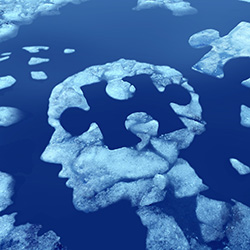 Certain rapid eye movements of a subgroup of people on the Autism Spectrum Disorder may aid in diagnosis. The brain controls the eyes. Therefore, certain eye movement tests provide insight into the brain’s functioning.
Researchers at the University of Rochester Medical Center1 studied “saccades.” These are the rapid eye movements people make when shifting their attention from one object to another. A neurotypical person has saccades that are precise, rapid and accurate. However, certain people on the autism spectrum have noticeably different saccades.
Read More »
 Myopia, or nearsightedness, is a common vision problem. Evidence is starting to show that sunlight has special properties beneficial to vision health. Specifically, exposure to sunshine reduces the risk of developing nearsightedness at all ages. The quality of artificial light and nutrition also play roles. The world’s most natural remedy is sunlight. Find out how much you need to stay healthy.
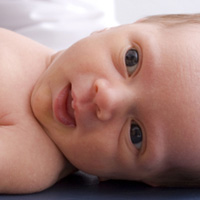 The developing pre-natal eye requires light that passes through the body and into the womb, according to recent animal research. Mice that had no access to light during pregnancy gave birth to offspring whose eyes were not developed correctly. This indicated that small amounts of light are necessary, during gestation, to control eye blood vessel growth.
This research is considered to be a breakthrough, and scientists were surprised because until now, maternal exposure to light during pregnancy was not considered relevant to fetal development.
Read More »
 A cataract is defined as a clouding of the lens of the eye that is usually associated with aging. However, approximately 1 in 250 newborns in the US have a cataract on at least one eye at birth, or develop a cataract soon after they are born. While many cases of congenital cataracts are detected and treated quickly, it is estimated that up to 1/3rd of older children diagnosed with a cataract had it at undetected at birth. Early treatment is crucial for the brain to develop normally, and to prevent lazy eye (amblyopia) and other vision problems.
The reasons for congenital cataracts in newborns may include infection (especially measles during pregnancy), genetics, metabolic problems, inflammation, diabetes, trauma or reactions to drugs. Common tetracycline antibiotics taken during pregnancy can cause cataracts in the developing baby. Older children can get pediatric cataracts for reasons comparable to the ones above; eye injuries such as a blow to the eye are more typically the cause, associated with 40% of pediatric cataracts cases.
 Did you know that the leading cause of blindness in children is eye inquires, and that most eye injuries in schoolchildren are sports-related? According to The National Eye Institute, the damage from eye injuries can be temporary or, or they can lead to permanent loss of vision.
School children eye injury statistics:
 Children are under a great deal of pressure to excel in their studies in Southeast Asia, and a new study in The Lancet shows they may by paying the price by damaging their eyes. Myopia, or nearsightedness, used to have a rate of 20% to 30% on average in Southeast Asia. A recent study put that number at more than 80% in young adults.
School is very competitive, and many students spend most of their time indoors studying and taking classes. They do not receive sufficient amounts of outdoor light to counter-act their indoor eye use.
Natural Eye Care, Inc.
3 Paradies Lane
New Paltz, New York 12561
Phone: 845.475.4158

NaturalEyeCare™ started in 1999 to help the public and professionals learn about complementary care in eye disease treatment.
The information and recommendations we offer are based on over 30 years of peer review research and personal clinical experience which guides us in providing a valuable resource to our readers, customers and patients regarding maintaining healthy vision naturally.
We believe that vision health is intimately connected to overall mental, physical and spiritual health. Therefore we encourage people to look at their overall lifestyle and diet as part of keeping healthy vision and reducing the risk of eye disease onset. This includes diet, regular exercise, and management of daily stress. If one has health issues such as high blood pressure, a thyroid imbalance, any autoimmune disease and/or are on medication(s), these possible contributions to eye disease should considered when working with your health care professional.
Please do not hesitate to call us at 845.475.4158 with any questions and concerns.