
 This month, we’re focusing on understanding macular degeneration and the importance of early detection. We will explore natural approaches to manage this eye disease and support healthy vision.
Macular Degeneration is a leading cause of vision loss, primarily affecting central vision, and can lead to blindness if not properly managed. The macula is a yellowish spot at the center of the retina, where vision is sharpest. While genetics can play a role, macular degeneration often appears in those over 50 due to essential nutrients not reaching the eyes, particularly the retina. Factors like a sedentary lifestyle, poor diet, reduced nutrient absorption, certain medication side-effects, and health issues such as poor circulation and chronic inflammation can contribute to this condition.
Read More »
 Glaucoma is a severe eye disease linked to high intraocular pressure. How can you regulate eye pressure? If you have a glaucoma diagnosis, the eye doctor often prescribes eye drops to lower intraocular pressure (IOP). Is there anything additional that you can do to help keep your IOP lower?
Addressing glaucoma and the risk of glaucoma primarily involves maintaining normal intraocular pressure and nourishing the optic nerves. (If you have low-tension glaucoma, circulation to the eye is crucial.) In our previous article, we explored essential nutrients that support optic nerve health.
 Merry Christmas, Happy Hannukah, and Heri za Kwanzaa to all! The holiday season means celebrating and feasting with family and friends. However, the holidays can also stress out your body and mind. Natural Eye Care offers these health tips for the holiday season.
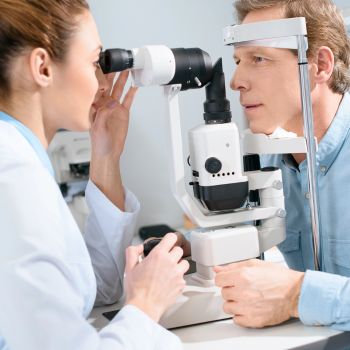 The cornea plays a crucial role in our vision. It is the transparent tissue at the front of the eyeball where light enters the eye. Approximately 65% to 75% of the refraction of light occurs in the cornea. The cornea also protects against external threats and harmful UV radiation. However, this vital part of our eye is constantly under siege. The cornea faces oxidative stress daily due to its high exposure to light and intense metabolic activity. The main culprit is ultraviolet radiation from the sun, which triggers the formation of Reactive Oxygen Species (ROS). These harmful free radicals can wreak havoc on the cells if not kept in check by antioxidants. While the cornea absorbs all UVC and most UVB rays, UVA rays are primarily absorbed by the lens.
 Visual detox refers to purifying the eyes of debris, toxins, and the effects of bad visual habits. Debris build-up can affect vision health and contribute to the onset of eye disease. These diseases can include eye irritation, effects on lacrimation related to dry eyes, glaucoma, and macular degeneration (AMD). Focusing too much on close-up computer screens leads to computer eye strain symptoms and reduces the free flow of energy to the eyes. As the eyes’ health is directly connected to whole-body well-being, we must look at detoxification from a whole-body perspective.
Read More »
 Physical exercise is vital for eye health and overall health. Research shows the positive impacts of exercise on common eye conditions. What is the intricate relationship between exercise and eye health? Can regular physical activity reduce the risk of age-related eye diseases? What role does nutrition play? And, can physical exercise help stave off neurological disease, heart disease, and other chronic illnesses associated with aging? At Natural Eye Care, we want to support you with knowledge and practical tips for getting the exercise you need.
Read More »
 Dry eyes are among the most prevalent issues reported by our customers and patients. Women experiencing perimenopause and menopause frequently have dry eyes. However, it is increasingly observed across all age groups, largely attributable to prolonged use of digital devices such as computers, laptops, tablets, and smartphones. 1 2 This extended screen time alters blinking patterns over time and exposes us to environmental pollutants, contributing to the development of dry eye symptoms and meibomian gland dysfunction.
Read More »
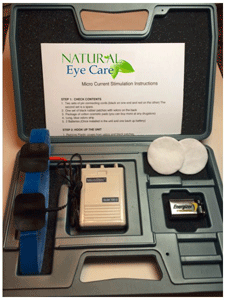
Microcurrent stimulation treatment protocols are designed to help people with retinal disease. MCS works by supporting nourishment and healing to the back of the eyes as well as possibly some cell regeneration. Retinal tissue is easily the most complex tissue in the entire body, and we tell people that they need to commit to regular treatment for a year, because it may take up to a year before they first see results, though benefits may be seen much sooner.
For individuals researching microcurrent for eyes, microcurrent eye therapy, or a microcurrent eye treatment approach for retinal health, microcurrent stimulation therapy has been studied for its potential to support retinal and optic nerve function.
A number of research studies have suggested that daily use of specific microcurrent stimulation for eyes helps promote retinal (as well as optic nerve) health in 3 different ways:
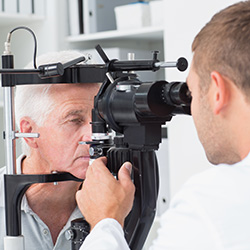 Getting a thorough eye exam has always been about more than reading letters off an eye chart. That is even truer today. One reason: We are harder on our eyes than ever before. Many of us spend hours each day staring and squinting at screens, developing digital eyestrain, and exposing our eyes to potentially damaging blue light.
But the typical tests offered during a standard eye exam may not go far enough to find problems as early as possible. Even a basic dilated eye exam may not be enough.
Read More »
Several new vision inventions are coming out of Israel. An innovative retinal diagnostic test can be completed entirely online. Also, an implantable miniature telescope restores vision to those with partial retinal damage. This technology is available in the United States today or within the next year.
Read More »
Natural Eye Care, Inc.
3 Paradies Lane
New Paltz, New York 12561
Phone: 845.475.4158

NaturalEyeCare™ started in 1999 to help the public and professionals learn about complementary care in eye disease treatment.
The information and recommendations we offer are based on over 30 years of peer review research and personal clinical experience which guides us in providing a valuable resource to our readers, customers and patients regarding maintaining healthy vision naturally.
We believe that vision health is intimately connected to overall mental, physical and spiritual health. Therefore we encourage people to look at their overall lifestyle and diet as part of keeping healthy vision and reducing the risk of eye disease onset. This includes diet, regular exercise, and management of daily stress. If one has health issues such as high blood pressure, a thyroid imbalance, any autoimmune disease and/or are on medication(s), these possible contributions to eye disease should considered when working with your health care professional.
Please do not hesitate to call us at 845.475.4158 with any questions and concerns.