
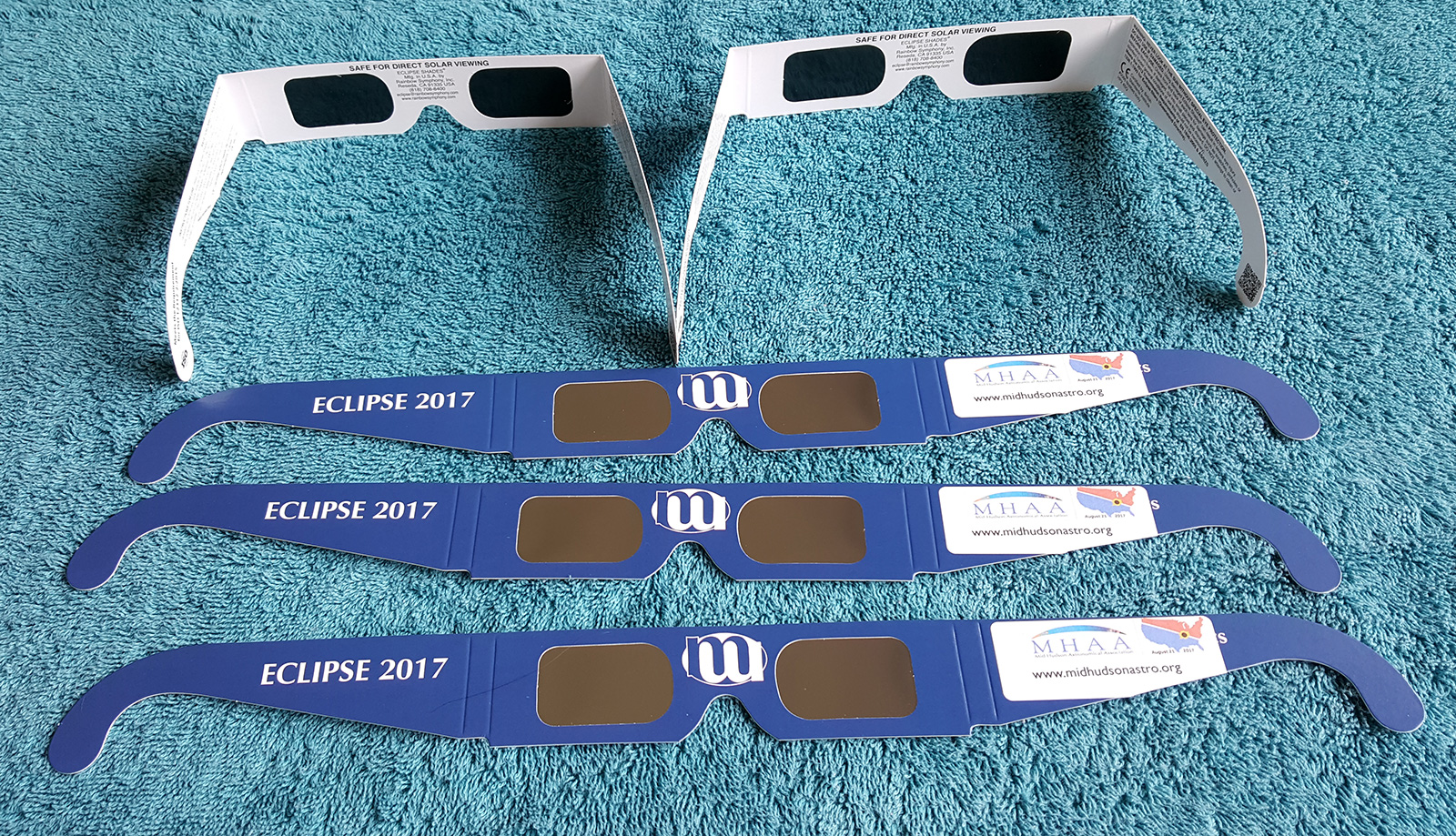
 Solar eclipse on Monday, August 21st! You can protect your eyes from eye damage, including corneal burns and future eye disease such as macular degeneration. Whether your geographical location will have a partial or total solar eclipse, you need to protect yourself from eye damage. Find out why, and which solar eclipse viewing glasses will protect your vision from damage.
Read More »
 Myopia, or nearsightedness, is a common vision problem. Evidence is starting to show that sunlight has special properties beneficial to vision health. Specifically, exposure to sunshine reduces the risk of developing nearsightedness at all ages. The quality of artificial light and nutrition also play roles. The world’s most natural remedy is sunlight. Find out how much you need to stay healthy.
 The sun sustains life, but it also can harm our eyes. Unsafe sun exposure causes or may contribute to several eye conditions and diseases. It can also cause eye injuries. Earth’s ozone layer absorbs most of the ultraviolet (UV) light from the sun, but chemicals have damaged it. Therefore, we must take extra precautions to prevent cataracts, age-related macular degeneration, ocular melanoma (eye cancer), and eye injuries such as pterygium (Surfer’s Eye), photokeratitis (snow blindness), and flash blindness. The sun is also a driving hazard when low on the horizon.
The body contains its own “sunscreen,” which is melanin. Dark-skinned people have more melanin and
Read More »
 Sunglasses are the primary way to protect your eyes from the hazards of excess sunlight. Ultraviolet (UV) light from the sun can cause cataracts and macular degeneration, serious eye diseases. It can also cause growths on the eye, eye cancer, retinal burns, and other types of damage. UV light damage is cumulative, but a life-long habit of wearing sunglasses in the sun will help prevent problems.
Good sunglasses do not need to cost a lot of money. In fact, the price tag does not indicate the lens’s ability to block damaging UV light. Neither does the darkness of the lenses. The item’s tag should contain
Read More »
 Research is pointing toward a link between myopia and the brain chemical dopamine. All-natural sunlight may be the antidote.
Myopia is called “near sightedness” because the eyeball is too long. The image from the lens falls short of the retina, causing blurring of distance vision. The condition is corrected using glasses or contact lenses. It is on the rise all over the world. In the United States, incidence has risen from 25% to 50%
Read More »
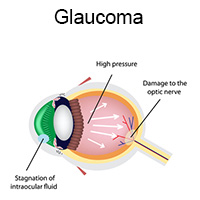 A new “smart” contact lens has been shown to detect accurately intraocular pressure in glaucoma patients. This technology may be useful for predicting which patients are deteriorating rapidly. Their treatment plan can be modified accordingly to help preserve more vision.
This study used the Sensimed Triggerfish® contact lens system. Columbia University Medical Center researchers found that specific electrical signals from the “smart” contact lenses correlated with the rate of the disease’s
Read More »
 Age-Related Macular Denegation is a significant cause of vision loss that can often be managed and even improved through targeted nutritional support. It affects mostly people over age 50. While the precise cause of ARMD is not clear, oxidative damage is suspected as being a major factor. It strikes the elderly possibly due to poor diet and nutritional intake over a lifetime, less efficient absorption of nutrients and poor circulation as the body ages. The care needed by vision-impaired elderly could become overwhelming. Let’s take a look at some of the newest research in preventing macular degeneration, as well as treatment and support options.
Read More »
 Electronics have become primary obsessions in our personal and work lives. This has lead to nearly everyone becoming susceptible to Computer Vision Syndrome. Symptoms include dry eyes, eye strain, blurred vision, headaches, double vision, difficulty in concentrating, fatigue and/or and head, neck and shoulder pain.
Additionally, heavy computer use has been associated with glaucoma1 Electronics screens emit blue light that can damage the retina, leading to macular degeneration.2 Close-up work is associated with myopia (nearsightedness).3
 Myopia, also called “nearsightedness,” is a common eye condition that requires correction with eye glasses. If severe, it can lead to serious eye conditions. Myopia is a refractive error in which close objects are clear, but distant objects are blurry. This is because the refracted image is in focus in front of the retina. Typically, the myopic eye is elongated; however, myopia can also be caused by a distorted cornea.
This disorder affects around 33% of the population of the United States. In some East Asian countries, over 90% of the population is myopic.[1] It is typically detected in children
Read More »
 Never underestimate the power of mathematics to improve vision care! Engineers at the University of Illinois have married adaptive optics with retinal scanners to see individual rods and cones. This new technology could increase the accuracy and speed of eye disease diagnosis.
Astronomers use adaptive optics to improve the clarity of telescopes. This is typically done using complex hardware. The engineers decided to make corrections using computer calculations instead of hardware. And they applied the technology to instruments used to scan the retina, the tissue at the back of the eye. The retina contains rod and cone cells, which send signals to the brain when light falls on them.
Read More »
Natural Eye Care, Inc.
3 Paradies Lane
New Paltz, New York 12561
Phone: 845.475.4158

NaturalEyeCare™ started in 1999 to help the public and professionals learn about complementary care in eye disease treatment.
The information and recommendations we offer are based on over 30 years of peer review research and personal clinical experience which guides us in providing a valuable resource to our readers, customers and patients regarding maintaining healthy vision naturally.
We believe that vision health is intimately connected to overall mental, physical and spiritual health. Therefore we encourage people to look at their overall lifestyle and diet as part of keeping healthy vision and reducing the risk of eye disease onset. This includes diet, regular exercise, and management of daily stress. If one has health issues such as high blood pressure, a thyroid imbalance, any autoimmune disease and/or are on medication(s), these possible contributions to eye disease should considered when working with your health care professional.
Please do not hesitate to call us at 845.475.4158 with any questions and concerns.