
Iritis, the most common form of uveitis, is more prevalent than most people realize. What are the symptoms of this eye condition? What can you do to prevent and manage all types of uveitis? When does uveitis signal an underlying condition?
Uveitis is an inflammation of the uvea. The uvea is made up of the iris, the colored part of the eye; the ciliary body, which makes the fluid that fills the eye and flexes the eye lens; and the choroid, the layer beneath the retina.
Read More »
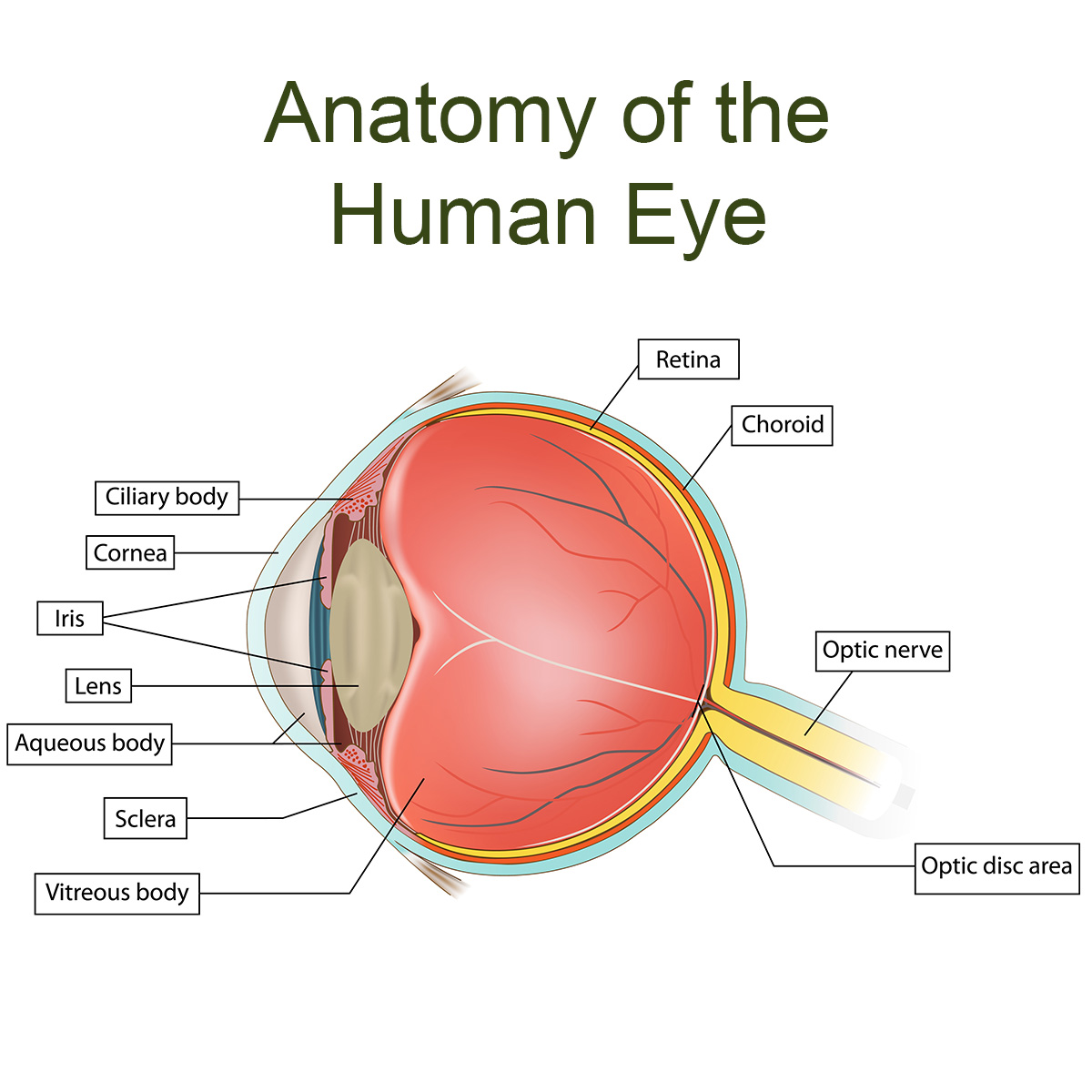 The eyes are small, but they have many parts including the eyelids, sclera, cornea, lens, optic nerve and retina. We depend heavily on our vision. When something goes wrong, the eyes are disproportionately affected. For example, a senior at risk of heart disease is also at risk of an ocular arterial or vein occlusion. Also, the macula requires a yellow-colored nutrient (lutein and zeaxanthin) found in certain vegetables such as green leafy vegetables, red, yellow and green peppers, corn and eggs. And antioxidants found in fresh fruits and vegetables have been shown to reduce oxidative eye damage and eye disease.
Read More »
 When eye injuries occur, eye first aid can prevent blindness and vision loss. Eye injuries can be inconsequential or life-changing. Know what to do with each type of eye injury. Also learn how to prevent injuries to the eyes. Most eye injuries can be prevented with protective eyewear. You should keep certain items on-hand in case of eye injuries.
 Eye washes provide natural relief for irritated, inflamed eyes. Natural Eye Care recommends eye washes for a wide variety of eye conditions. Good lid hygiene can both soothe and prevent eye irritation.
Eye irritation can be caused by conjunctivitis, bacterial or viral infections, dry eyes, hormonal changes, allergies, drug side-effects, dehydration, excessive screen time,
Read More »
 Iritis is a common diagnosis that literally means “inflammation of the iris,” the colored part of the eye. Anterior uveitis is a more technical term for iritis. There are many possible causes, and sometimes the cause cannot be identified. Due to the complexity of the vision system, any suspected case of eye inflammation should be examined by an optometrist, ophthalmologist or medical doctor. Most of the time, iritis resolves in less than 6 weeks; however, iritis can reoccur. It can signal acute or chronic underlying disease in the body, and therefore should be cared for by a qualified healthcare professional. Without proper treatment, iritis can lead to cataracts, glaucoma, an irregularly sized and sluggish pupil, calcium deposits in the cornea, central serous choroidopathy, or retinal swelling (cystoid macular edema).
Read More »
 An enzyme acts as a catalyst to increase the rate of a chemical reaction. Enzymes are proteins. Scientists have named 3,000+ different enzymes, but perhaps 50,000 additional enzymes may exist. Enzymes all have specific functions that result in biochemical reactions. For example, certain enzymes are involved in the absorption of oxygen and production of energy; other enzymes help nutrients get into the cells.
Digestive enzymes produced by the pancreas are the most well-known, because they help break down food. Tay-Sachs disease and juvenile diabetes (Type I) are caused by genetic problems that inhibit the pancreas’s ability to generate the necessary enzymes in enough quantity.
 Did you know that the leading cause of blindness in children is eye inquires, and that most eye injuries in schoolchildren are sports-related? According to The National Eye Institute, the damage from eye injuries can be temporary or, or they can lead to permanent loss of vision.
School children eye injury statistics:
Natural Eye Care, Inc.
3 Paradies Lane
New Paltz, New York 12561
Phone: 845.475.4158

NaturalEyeCare™ started in 1999 to help the public and professionals learn about complementary care in eye disease treatment.
The information and recommendations we offer are based on over 30 years of peer review research and personal clinical experience which guides us in providing a valuable resource to our readers, customers and patients regarding maintaining healthy vision naturally.
We believe that vision health is intimately connected to overall mental, physical and spiritual health. Therefore we encourage people to look at their overall lifestyle and diet as part of keeping healthy vision and reducing the risk of eye disease onset. This includes diet, regular exercise, and management of daily stress. If one has health issues such as high blood pressure, a thyroid imbalance, any autoimmune disease and/or are on medication(s), these possible contributions to eye disease should considered when working with your health care professional.
Please do not hesitate to call us at 845.475.4158 with any questions and concerns.