
 Retinitis Pigmentosa is a progressive eye disease that has long been associated with gradual vision loss and limited treatment options. Affecting about one in every 4,000 people, Retinitis Pigmentosa (RP) is marked by the degeneration of the retina’s photoreceptor cells—first the rods, which are responsible for night vision, and then the cones, which enable us to see in daylight and color. While the genetic complexity and slow progression of RP have posed challenges for patients and researchers alike, recent discoveries are offering new hope. Exciting new research reveals that the retina may have an unexpected ability to adapt: certain retinal cells can rewire themselves in response to degeneration, potentially helping to preserve vision even as the disease advances.
Read More »
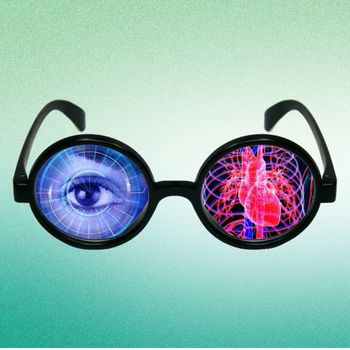 The link between cardiovascular disease and eye health may not be obvious. However, the eyes are made from nutrients. A large body of research shows how important nutrition is for eye health. Maintaining healthy vision depends on whether the eyes and visual system are properly nourished. Cardiovascular disease, including high blood pressure and atherosclerosis, can affect the flow of essential nutrients and oxygen to the eyes. Poor circulation to the eyes can cause damage to the retina’s tiny blood vessels, with potentially sight-threatening consequences. Cardiovascular disease can often be identified through retinal scans well before the disease is detectable through traditional tests.
Read More »
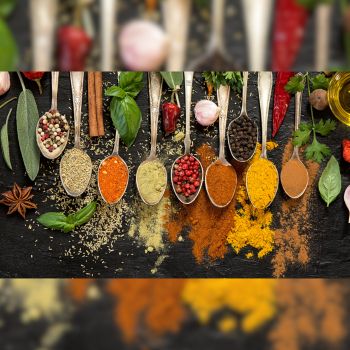 Herbs and spices do more than add flavor—they’re packed with nutrients that support vision, brain, and overall health. Used for centuries in traditional medicine, these powerful plants are now backed by modern research. Whether you add them to your meals or take them as supplements, the right herbs can play a key role in maintaining healthy eyes and aging well.
In this article, discover some of the most effective herbs for vision and wellness, along with general supplement dosage guidelines.
Read More »
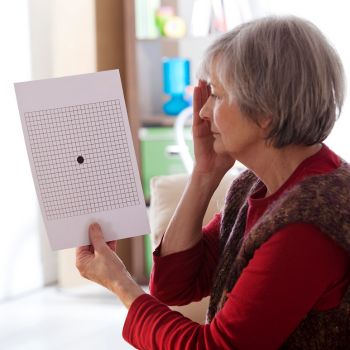 Macular degeneration is also known as AMD, which is an acronym for “Age-Related Macular Degeneration.” It is the leading cause of irreversible blindness. Limited conventional treatments are available. However, natural remedies can go a long way toward reducing the risk of AMD onset. They can help prevent AMD from progressing to the point of vision loss. And, in many cases, lifestyle considerations and targeted supplementation can improve vision loss from AMD.
Read More »
 The human body contains approximately 36 trillion cells. Cells communicate with each other every millisecond of life to coordinate functioning and maximize health. The mind-body connection includes how you think, and how organs communicate back and forth with the brain.
Keeping in balance in Western medicine is referred to as “homeostasis”. An example of homeostasis is maintaining the optimum body temperature at 98.6 degrees Fahrenheit. When you exercise, your body sweats to cool off. If you are cold, you shiver involuntarily to create more body heat.
Read More »

The antioxidants lutein and zeaxanthin help keep the eyes healthy. A new study has found that these nutrients also improve the circulation of blood to the brain. Seniors experience gradual cognitive decline. A recent study showed that taking enough of these antioxidants halted cognitive decline. Research supports the idea that nutrition has a direct impact on the brains and eyes throughout one’s lifespan from infancy (breast milk contains lutein) to old age.1
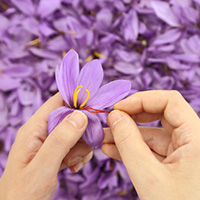 Several studies have indicated saffron’s power to protect the eye from the effects of Age-Related Macular Degeneration (ARMD). This precious yellow & red spice contains the carotenoids crocin and crocetin, antioxidants that appear to protect the retina. Visual acuity has been shown to be improved in Macular Degeneration patients who take a saffron supplement. These supplements may also increase blood flow to the retinal area, improve light sensitivity, and reduce photo-oxidative damage.
Saffron comes from a crocus flower, and it is a popular food flavoring. These tiny, feather-light
Read More »
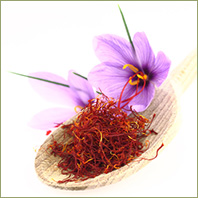 Taking saffron pills improved the visual acuity of age-related macular degeneration (AMD) patients in a small study. Macular degeneration is the gradual deterioration of the small, yellow-colored part of the eye near the center of the retina.
Saffron contains carotenoids called crocin and crocetin. These antioxidants have been shown to have a protective effect on retinal cells.
Read More »
Natural Eye Care, Inc.
3 Paradies Lane
New Paltz, New York 12561
Phone: 845.475.4158

NaturalEyeCare™ started in 1999 to help the public and professionals learn about complementary care in eye disease treatment.
The information and recommendations we offer are based on over 30 years of peer review research and personal clinical experience which guides us in providing a valuable resource to our readers, customers and patients regarding maintaining healthy vision naturally.
We believe that vision health is intimately connected to overall mental, physical and spiritual health. Therefore we encourage people to look at their overall lifestyle and diet as part of keeping healthy vision and reducing the risk of eye disease onset. This includes diet, regular exercise, and management of daily stress. If one has health issues such as high blood pressure, a thyroid imbalance, any autoimmune disease and/or are on medication(s), these possible contributions to eye disease should considered when working with your health care professional.
Please do not hesitate to call us at 845.475.4158 with any questions and concerns.