
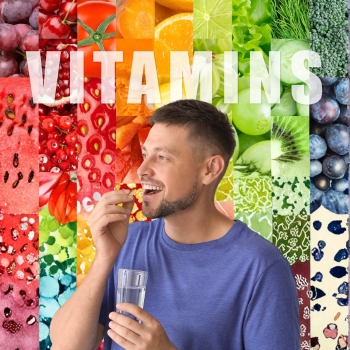
 Can one daily multivitamin help you remain active and independent as you grow older? New research offers a cautiously encouraging answer. In a large randomized study, adults age 60 and older who took a daily multivitamin for three years reported slightly better functional health than those who took a placebo. Functional health includes how well you manage everyday activities and how much symptoms interfere with daily life.
The study included more than 16,000 participants from the COSMOS trial. The differences were modest and were measured with questionnaires rather than objective physical tests. The findings were presented at the NUTRITION 2026 conference but have not yet been published in a peer-reviewed journal. They are interesting, but they do not prove that a multivitamin prevents disability or treats fatigue, shortness of breath, or swelling in the feet. New or worsening symptoms like these require medical evaluation. 1
A multivitamin can help fill nutritional gaps, especially when appetite, food choices, medications, or changes in digestion make it difficult to obtain enough nutrients. It cannot replace a varied diet, exercise, sleep, prescribed treatment, or regular eye care. Evidence also does not show that routine multivitamin use prevents every chronic disease. The most sensible goal is nutritional support, not a promise of disease prevention. 2
Read More »
 N-Acetyl-Cysteine is an amino acid that has been researched heavily for its antioxidant and anti-inflammatory properties. NAC is primarily a building block for glutathione. Key clinical studies explore its role in respiratory health, vision support, liver function, aging, and anti-inflammatory properties.
As an antioxidant, NAC helps protect healthy cells by neutralizing free radicals before they can cause harm. It supports the body’s supply of cysteine, a key building block of glutathione, one of the body’s most important internal antioxidants. By helping restore glutathione levels, NAC strengthens the cell’s antioxidant defenses and helps clear reactive oxygen species, or ROS. NAC also has anti-inflammatory effects. In the early stages of immune activation, it may help reduce the release of cytokines, which are chemical messengers involved in inflammation. 1
Read More »

At Natural Eye Care, we want to keep our readers informed about new developments in health and wellness. Sometimes that means looking at breakthrough medical research, such as promising new cancer treatment technology or new findings about inflammation and Alzheimer’s disease. It also means helping you better understand how inflammation may affect eye health and sharing natural ways to support overall wellness. In this article, we bring these topics together to highlight how ongoing research and whole-body health can both contribute to long-term well-being.
Read More »
 Reading at night is recommended for health and improved sleep, compared with staring at electronic screens. Studies show that nighttime reading can improve sleep quality, lower stress, and reduce exposure to blue light, which can disrupt melatonin.1 Using phones, laptops, tablets, and televisions close to bedtime can make it tougher to drift off. The blue-leaning light they emit can interfere with your body’s natural “time to sleep” signals.2
Read More »
 A large body of scientific research backs up the claim that astaxanthin is great for your body. As a potent antioxidant, astaxanthin scavenges free radicals that cause cellular damage. This benefits many parts of the body, including your skin, eyes, and brain. What is astaxanthin? Where does it come from? And what does the latest research say about its benefits?
Astaxanthin is a marine xanthophyll carotenoid primarily produced by microalgae like Haematococcus pluvialis. Dietary astaxanthin can be obtained through seafood, including salmon, trout, shrimp, and krill.
Read More »
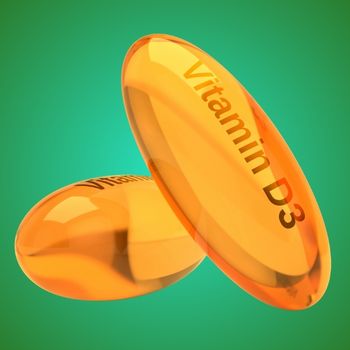
Vitamin D is often called the “bone vitamin,” but that’s only part of the story. Vitamin D3 (cholecalciferol) also influences systems your eyes rely on every day—especially as we get older: inflammation control, immune regulation, oxidative stress protection, and even how the body manages blood vessel growth.
And here’s the real-world issue: most people don’t get enough vitamin D consistently. Food sources are limited, sunlight is seasonal and complex (plus many of us avoid it for skin health), and modern indoor life takes care of the rest.
Read More »
 The US Department of Health and Human Services (HHS) released its long-awaited update to the nation’s dietary guidelines on January 7, 2026, promising a “historic reset” that puts real, minimally processed food back at the center of American nutrition policy 1. Chronic diseases like heart disease, diabetes, and obesity are high, and these guidelines aim to “Make America Healthy Again.”
On the other hand, the Mediterranean Diet is popular for its proven benefits in reducing the risk of chronic diseases and promoting long-term wellness. It focuses on plant-based meals, healthy fats, and a balanced lifestyle. At Natural Eye Care, we adapted the Mediterranean Diet specifically for people with vision issues and called it the Vision Diet. This diet includes additional recommendations on antioxidant intake, organic foods, and avoiding certain additives and fats 2.
Read More »

 Allergies to food can cause eye symptoms, but food allergies can also lead to vision problems. Grouped with food allergies are food intolerances and food sensitivities. While food allergies are an immune system reaction, intolerances and sensitivities are related to the digestive system. In this article, we discuss how individuals with these food issues need to protect their eyes from harm.
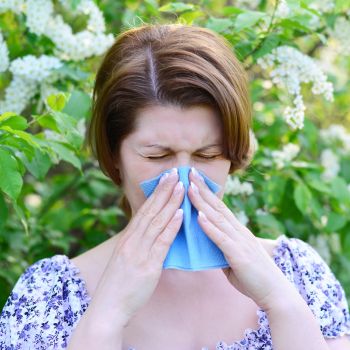 Spring brings the revival of vibrant flowering plants and an increase in pollen and plant-related allergies. Seasonal allergies are also called allergic rhinitis and hay fever. Symptoms affect the eyes of an estimated 40–60% of allergy-prone individuals. Eye-related allergic reactions range from mild discomfort to severe cases that may impair visual function, significantly impacting quality of life. Common symptoms include red, itchy eyes, swollen sinuses, and excessive tearing. Allergic rhinitis is your immune system trying to protect you by reacting to a foreign substance. However, allergens such as pollen are not inherently harmful. Therefore, hay fever is an immune system overreaction that can make you feel miserable.
Read More »
Natural Eye Care, Inc.
3 Paradies Lane
New Paltz, New York 12561
Phone: 845.475.4158

NaturalEyeCare™ started in 1999 to help the public and professionals learn about complementary care in eye disease treatment.
The information and recommendations we offer are based on over 30 years of peer review research and personal clinical experience which guides us in providing a valuable resource to our readers, customers and patients regarding maintaining healthy vision naturally.
We believe that vision health is intimately connected to overall mental, physical and spiritual health. Therefore we encourage people to look at their overall lifestyle and diet as part of keeping healthy vision and reducing the risk of eye disease onset. This includes diet, regular exercise, and management of daily stress. If one has health issues such as high blood pressure, a thyroid imbalance, any autoimmune disease and/or are on medication(s), these possible contributions to eye disease should considered when working with your health care professional.
Please do not hesitate to call us at 845.475.4158 with any questions and concerns.