
 Hair loss is a prevalent concern, affecting both men and women. Surprisingly, there may be a connection between hair loss and eye conditions. This intriguing link stems from healthy vision being closely tied to overall bodily health. Chronic conditions such as diabetes, arthritis, and hypertension are associated with declining eye health. The root causes of many chronic conditions, such as incomplete nutrition and chronic inflammation, can damage hair and impede hair growth. Certain autoimmune diseases can cause alopecia. Both an underactive and overactive thyroid can cause hair loss and affect the eyes. Menopause impacts both the eyes and hair. In this article, we will explore androgenetic alopecia, hyperthyroidism and hypothyroidism, eyelash loss (madarosis), menopause, diet and vitamin deficiencies, and insights from Traditional Chinese Medicine.
Read More »
 Natural Treatments for the Eyelid
For mild cases of chalazion, styes, pterygium, and blepharitis, the following are ways to naturally treat these conditions. If these issues are persistent or affecting your vision, be sure to get seen by your eye doctor.
Note that our EyeEase Formula 2 fl oz is back in stock.
Read More »
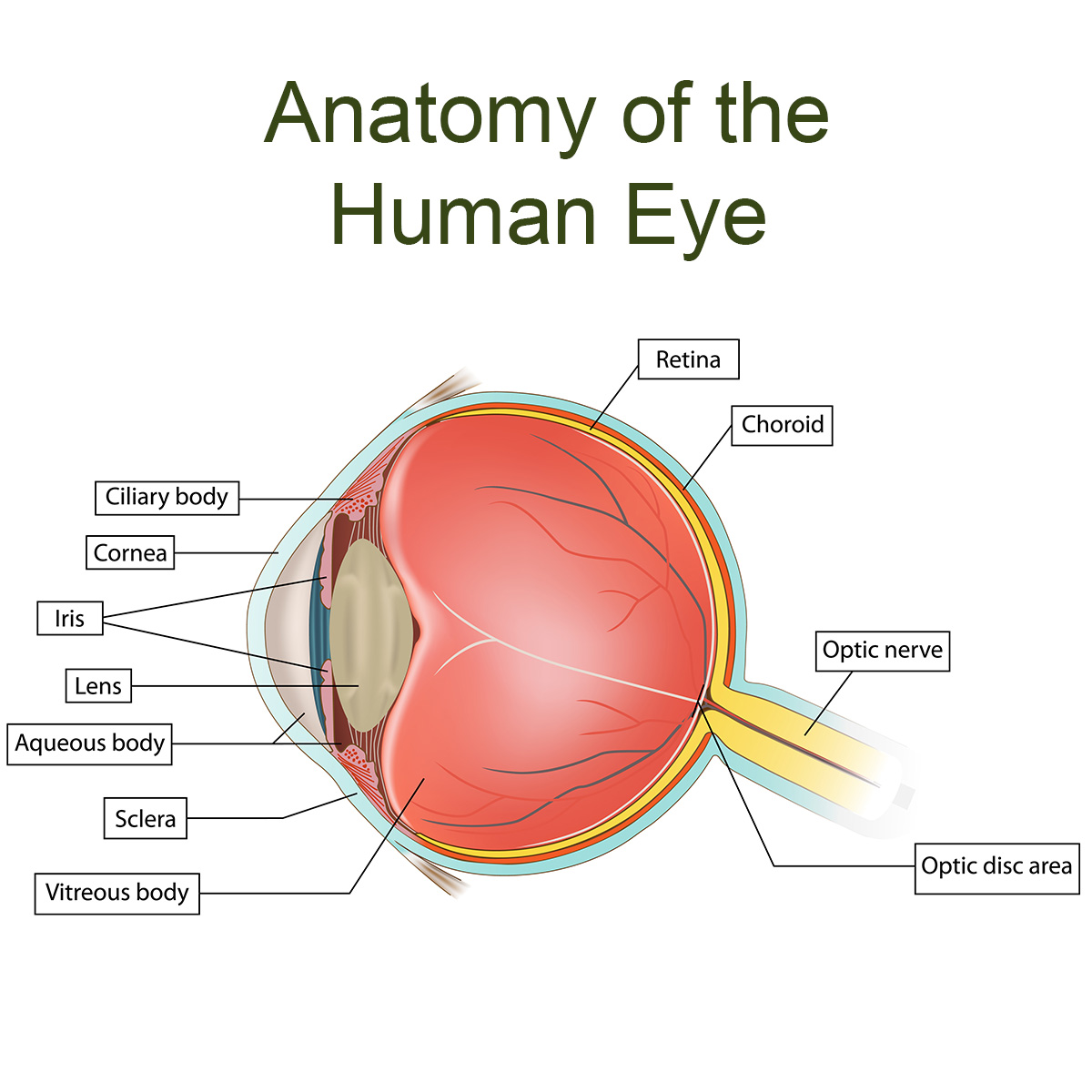 The eyes are small, but they have many parts including the eyelids, sclera, cornea, lens, optic nerve and retina. We depend heavily on our vision. When something goes wrong, the eyes are disproportionately affected. For example, a senior at risk of heart disease is also at risk of an ocular arterial or vein occlusion. Also, the macula requires a yellow-colored nutrient (lutein and zeaxanthin) found in certain vegetables such as green leafy vegetables, red, yellow and green peppers, corn and eggs. And antioxidants found in fresh fruits and vegetables have been shown to reduce oxidative eye damage and eye disease.
Read More »
 People who have advanced eye disease have waited too long to improve their vision health. Keeping the eyes health is a lifetime endeavor. An unhealthy lifestyle and poor nutrition lead to a higher risk of eye diseases. Researchers have linked cataracts, macular degeneration, glaucoma, optic neuropathy, retinal vein occlusions, and other eye conditions to mostly-controllable risk factors. Seniors are especially at risk. Natural Eye Care offers this guide to improving vision health.
Read More »
 Inflammation is a factor in many eye diseases, and what you eat affects inflammation. Whenever major holidays comes along, we are tempted to eat special foods. Many of these treats are high in calories and sugar, which contribute to inflammation. While you don’t want to spoil anyone’s fun, you can choose to eat foods that are anti-inflammatory. At the end of this article, you will find tips for limiting the damage while still enjoying the holiday.
Read More »
 Eye washes provide natural relief for irritated, inflamed eyes. Natural Eye Care recommends eye washes for a wide variety of eye conditions. Good lid hygiene can both soothe and prevent eye irritation.
Eye irritation can be caused by conjunctivitis, bacterial or viral infections, dry eyes, hormonal changes, allergies, drug side-effects, dehydration, excessive screen time,
Read More »
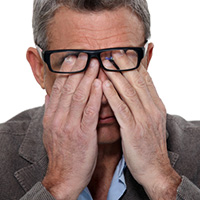 A strong study in the International Journal of Ophthalmology found that omega-3 fatty acids significantly reduced dry eyes. Dry eye syndrome is becoming more prevalent in the West from extended close-up work on computers and phone screens. The condition can also be caused by an autoimmune disorder; it can accompany menopause; and it can have other causes. Symptoms include burning, dryness, irritation, a feeling of grit, and difficulty reading for extended periods.
Omega-3 fatty acids are found in highest quantity in
Read More »
We no longer carry Ilast Clean – and have substituted what we think is a similar and better product.
LidHygenix Foam Eyelid Cleansor 1.60 f/oz (50ml)
A number of clients have asked for a sterile eyelid cleanser and we’re pleased to introduce Ilast Clean, a sterile eyelid cleansing gel which will be helpful in home care of blepharitis as well as skin conditions such as seborrhoeic dermitis.
It is effective in removal of crusts, scales, dried tear secretions and deposits when used with a clean Q-tip as recommended in the blepharitis massage protocol.
It has the advantage
Read More »
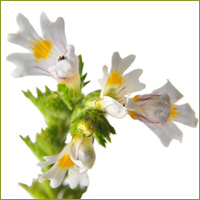 European researchers have been looking at what makes eyebright tick and why it has long been regarded in traditional folk medicine as a helpful herb for eye conditions. Turns out that eyebright supports more than eye health. Wikipedia describes eyebright as having possible benefits not only for blepharitis and conjunctivitis, but for eye strain, colds and sinus infections, allergies and hay fever and sore throats and coughs.
Eyebright has anti-microbial action and is more effective in concentrations of at least 512 micrograms per milliliter against a number of nasty microbes associated with eye infections.
 Blepharitis is inflammation of the eyelids, and for many this is a chronic condition. It is a common condition that affects both adults and children. There are two kinds of blepharitis – anterior (front) and posterior (back) blepharitis. Anterior blepharitis affects the front of the eye, including the eyelid and eyelashes. It is often associated with a bacterial growth and/or an increase in the activity of the meibomian gland. Posterior blepharitis causes dry eyes and is created by the dysfunction of the meibomian gland. So it generally isn’t caused by a bacterial infection.
In the eyes, the meibomian glands (also called the “tarsal glands”) are a type of
Read More »
Natural Eye Care, Inc.
3 Paradies Lane
New Paltz, New York 12561
Phone: 845.475.4158

NaturalEyeCare™ started in 1999 to help the public and professionals learn about complementary care in eye disease treatment.
The information and recommendations we offer are based on over 30 years of peer review research and personal clinical experience which guides us in providing a valuable resource to our readers, customers and patients regarding maintaining healthy vision naturally.
We believe that vision health is intimately connected to overall mental, physical and spiritual health. Therefore we encourage people to look at their overall lifestyle and diet as part of keeping healthy vision and reducing the risk of eye disease onset. This includes diet, regular exercise, and management of daily stress. If one has health issues such as high blood pressure, a thyroid imbalance, any autoimmune disease and/or are on medication(s), these possible contributions to eye disease should considered when working with your health care professional.
Please do not hesitate to call us at 845.475.4158 with any questions and concerns.