
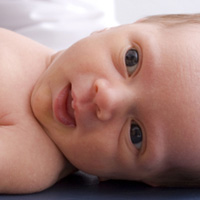
 The developing pre-natal eye requires light that passes through the body and into the womb, according to recent animal research. Mice that had no access to light during pregnancy gave birth to offspring whose eyes were not developed correctly. This indicated that small amounts of light are necessary, during gestation, to control eye blood vessel growth.
This research is considered to be a breakthrough, and scientists were surprised because until now, maternal exposure to light during pregnancy was not considered relevant to fetal development.
Read More »
Natural Eye Care, Inc.
3 Paradies Lane
New Paltz, New York 12561
Phone: 845.475.4158

NaturalEyeCare™ started in 1999 to help the public and professionals learn about complementary care in eye disease treatment.
The information and recommendations we offer are based on over 30 years of peer review research and personal clinical experience which guides us in providing a valuable resource to our readers, customers and patients regarding maintaining healthy vision naturally.
We believe that vision health is intimately connected to overall mental, physical and spiritual health. Therefore we encourage people to look at their overall lifestyle and diet as part of keeping healthy vision and reducing the risk of eye disease onset. This includes diet, regular exercise, and management of daily stress. If one has health issues such as high blood pressure, a thyroid imbalance, any autoimmune disease and/or are on medication(s), these possible contributions to eye disease should considered when working with your health care professional.
Please do not hesitate to call us at 845.475.4158 with any questions and concerns.