
 Vitamin B12 is a water-soluble vitamin your body needs for DNA synthesis, red blood cell formation, and healthy nervous system function. When vitamin B12 levels are low, people can develop anemia and experience fatigue and weakness. Therefore, maintaining adequate B12 levels is important for day-to-day energy and overall health. However, B12 can be low even in people who eat Vitamin B12-rich meat and dairy products. Vitamin B12 cannot be produced in the body, so it must be obtained from food or supplements.1
Newer research suggests vitamin B12 (cobalamin) status may influence more than nerve function alone. Findings highlighted in 2026 point to a relationship between vitamin B12 and skeletal muscle mitochondrial function (the cell’s energy-producing machinery), which may contribute to metabolic resilience and aspects of healthy aging.2 In practical terms, maintaining adequate B12 may help support muscle function and strength over time, which can matter for mobility and injury risk as we age.
Read More »
 As we get older, it’s common to notice changes in memory, focus, and mental sharpness. Researchers often discuss these changes in relation to neurogenesis—the ongoing creation of new brain cells—which tends to slow down with age. Because neurogenesis supports the brain’s ability to adapt and maintain itself (often called plasticity), a decline may be associated with reduced cognitive performance over time.
Age-related factors such as oxidative stress and inflammation are frequently discussed as reasons neurogenesis may slow down. At the same time, healthy dietary patterns and lifestyle habits are often studied for their potential to support brain health and the processes involved in maintaining brain tissue.
Read More »
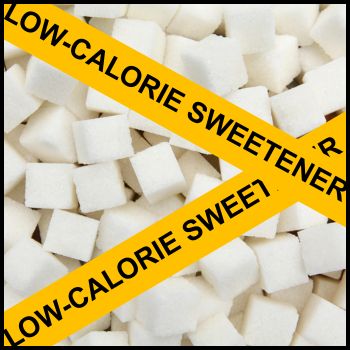 Scientific studies strongly suggest that artificial sweeteners, once thought to be safe alternatives to sugar, are linked to significant health risks. Key findings include increased risks of cardiovascular disease, stroke, type 2 diabetes, metabolic syndrome, cognitive decline, and potential carcinogenicity.1 2 Artificial sweeteners discussed include erythritol, sucralose, and aspartame, which can alter gut microbiota,3 increase inflammation, and cause blood clotting.
Read More »
 Did you know your brain is capable of growing new cells and forging fresh connections, even as you age? The science of neurogenesis is reshaping our understanding of brain and eye health. Neuroplasticity isn’t just for kids! About 30 years ago, scientists began to acknowledge the brain’s amazing ability to adapt in all stages of life. In this article, we will discuss the science of neuroplasticity and how it impacts both the brain and the eyes. Also, we will talk about how neurogenesis regrows brain and eye tissue, and how it could improve eye conditions such as glaucoma. And, we will recommend nutrients that can help your brain build new connections and neurons.
Read More »
Did you know that two substances of Asian origin, nattokinase and serrapeptase, have significant health benefits? Scientific studies have revealed some of the reasons why longevity is associated with regular consumption of serrapeptase and nattokinase supplements. Specifically, we will discuss cardiovascular disease, eye issues such as floaters, macular degeneration, and diabetic retinopathy, internal scar tissue from autoimmune disorders, lung disease, sinusitis, neurological disorders, and inflammatory bowel disease.
Read More »
 Oxidative stress happens everywhere in the body and can create havoc over time. Many eye and brain diseases are triggered or exacerbated by oxidative stress. The body counteracts this stress by producing antioxidants. However, you must also ingest additional antioxidants through healthy food, drinks, and supplements. Green tea, rich in antioxidants, offers protective benefits for eye health by combating oxidative damage.1 At pennies per cup, this convenient and tasty beverage has been studied for its special antioxidant properties. What are the green tea benefits for seniors? Read on to find out.
Read More »
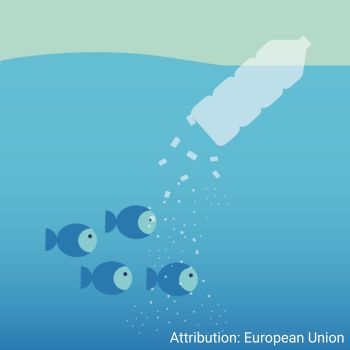 When tiny plastic particles pollute the ecosystem, can they cause harm? If so, can you do anything? At Natural Eye Care, we have mined the research on the effects of microplastics and nanoplastics on human health. Read on to find out what they are, how they affect living organisms, and how to reduce your exposure.
 Extra weight around the belly may not seem hazardous. However, a higher abdominal circumference is one of several contributing factors to Metabolic Syndrome. As a risk factor for diabetes and cardiovascular disease, Metabolic Syndrome can creep up over time. Hormones, insulin resistance, genetics, organ dysfunction, and mitochondrial dysfunction can play a role.
Lifestyle, including nutrition and exercise, are factors that contribute to Metabolic Syndrome, and are under our control. Therefore, preventing or reversing metabolic syndrome can improve both lifespan and quality of life. Diabetic retinopathy, central retinal artery occlusion, cataract, age-related macular degeneration, glaucoma, and dry eye syndrome are eye diseases with similar underlying risk factors to Metabolic Syndrome. Oxidative stress ties into all these problems. What is the science behind Metabolic Syndrome? What can you do to head it off?
Read More »

What is the relationship between brain health and eye health as we age? Our brains adapt and form new connections throughout our lives. Nutrition, lifestyle choices, and early detection play major roles in keeping the brain healthy, and the eyes. Find out about Natural Eye Care’s holistic approach to brain and eye health.
Our brains have an incredible ability to adapt and change as we age. Brain plasticity means that our brains can rewire themselves and form new connections, even as we get older.
 Aging Strains the Brain
The proportion of the elderly is increasing rapidly worldwide in recent decades with rapid socio-economic development. In 2019, there were 1 billion people aged 60 years and older. It is estimated that this number will increase to 1.4 billion by 2030, and to 2.1 billion by 2050. The proportion of the elderly (aged >60 years) is estimated to rise to 22% of the world population by 2050. 1
Read More »
Natural Eye Care, Inc.
3 Paradies Lane
New Paltz, New York 12561
Phone: 845.475.4158

NaturalEyeCare™ started in 1999 to help the public and professionals learn about complementary care in eye disease treatment.
The information and recommendations we offer are based on over 30 years of peer review research and personal clinical experience which guides us in providing a valuable resource to our readers, customers and patients regarding maintaining healthy vision naturally.
We believe that vision health is intimately connected to overall mental, physical and spiritual health. Therefore we encourage people to look at their overall lifestyle and diet as part of keeping healthy vision and reducing the risk of eye disease onset. This includes diet, regular exercise, and management of daily stress. If one has health issues such as high blood pressure, a thyroid imbalance, any autoimmune disease and/or are on medication(s), these possible contributions to eye disease should considered when working with your health care professional.
Please do not hesitate to call us at 845.475.4158 with any questions and concerns.