
 The human body contains approximately 36 trillion cells. Cells communicate with each other every millisecond of life to coordinate functioning and maximize health. The mind-body connection includes how you think, and how organs communicate back and forth with the brain.
Keeping in balance in Western medicine is referred to as “homeostasis”. An example of homeostasis is maintaining the optimum body temperature at 98.6 degrees Fahrenheit. When you exercise, your body sweats to cool off. If you are cold, you shiver involuntarily to create more body heat.
Read More »
 Researchers are finding that food and supplements containing nattokinase may reverse atherosclerosis. Current treatments for hardening of the arteries slow down the progression of heart disease. Effectively reversing atherosclerotic lesions would be a dream come true for drug manufacturers. Nattokinase is the most active ingredient in natto. Natto is a traditional Japanese food made from fermented soybeans. Could we increase our longevity by consuming natto or nattokinase supplements?
Read More »
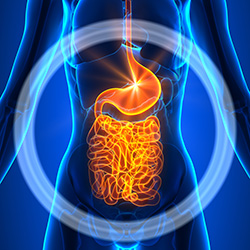 Seniors often struggle with some form of indigestion: bloating and gas. What can you do to prevent indigestion? Could digestive enzymes help? Digestive issues can stop you from absorbing of key nutrients. Nutrition is especially important for seniors’ eye health. Read on to find out more about digestive enzymes.
Digestive enzymes help break down food in the digestive tract. As we grow older, our body produces fewer of these enzymes. Undigested food passes into the colon, where it causes bloating, gas, diarrhea, and cramping. Lack of digestive enzymes makes seniors vulnerable to malnutrition.
Read More »
 Our body naturally produces enzymes for digestion, so why might we need digestive enzyme supplements? Some fresh and fermented foods contain large amounts of digestive enzymes. How do these chemical catalysts help digestion? What happens if we do not have enough enzymes? Do we produce enough enzymes as we age? Does our diet today contain enough digestive enzymes?
Enzymes are catalysts. A catalyst enables a chemical reaction without being changed. For example, lactase is a digestive enzyme that splits lactose, from milk, into more easily digestible sugars. People who have difficulty digesting milk can take a lactase supplement to facilitate digestion.
Read More »
 A significant study has found that the deleterious effects of traumatic brain injury in American football players can be mitigated using a natural regimen of weight loss (if needed), fish oil, vitamins, and brain-enhancing supplements including ginkgo biloba. The positive results could help reverse brain damage in contact sport athletes, alcohol and drug addicts, chronic traumatic encephalopathy (CTE) and people who have had brain damage from concussions.
 An enzyme acts as a catalyst to increase the rate of a chemical reaction. Enzymes are proteins. Scientists have named 3,000+ different enzymes, but perhaps 50,000 additional enzymes may exist. Enzymes all have specific functions that result in biochemical reactions. For example, certain enzymes are involved in the absorption of oxygen and production of energy; other enzymes help nutrients get into the cells.
Digestive enzymes produced by the pancreas are the most well-known, because they help break down food. Tay-Sachs disease and juvenile diabetes (Type I) are caused by genetic problems that inhibit the pancreas’s ability to generate the necessary enzymes in enough quantity.
Natural Eye Care, Inc.
3 Paradies Lane
New Paltz, New York 12561
Phone: 845.475.4158

NaturalEyeCare™ started in 1999 to help the public and professionals learn about complementary care in eye disease treatment.
The information and recommendations we offer are based on over 30 years of peer review research and personal clinical experience which guides us in providing a valuable resource to our readers, customers and patients regarding maintaining healthy vision naturally.
We believe that vision health is intimately connected to overall mental, physical and spiritual health. Therefore we encourage people to look at their overall lifestyle and diet as part of keeping healthy vision and reducing the risk of eye disease onset. This includes diet, regular exercise, and management of daily stress. If one has health issues such as high blood pressure, a thyroid imbalance, any autoimmune disease and/or are on medication(s), these possible contributions to eye disease should considered when working with your health care professional.
Please do not hesitate to call us at 845.475.4158 with any questions and concerns.