
 Sugary drinks and eye health may seem unrelated, but what you sip each day can affect much more than your thirst. A new long-term study found that people who consumed at least one sugar-sweetened drink daily had more than twice the risk of developing stomach cancer compared with people who rarely drank them. The study does not prove that sugary drinks caused the cancer, but the size of the association deserves attention.
Sodapop is not the only drink worth examining. Fruit punches, lemonades, sports drinks, energy drinks, sweetened coffees, and some electrolyte beverages can contain surprising amounts of added sugar. Cutting back does not mean that you should automatically switch to diet beverages containing artificial sweeteners. There are better everyday choices, including water, lemon water, coffee, tea, green tea, and drinks lightly sweetened with stevia.
How much sugar is hiding in your favorite drink? When do you actually need electrolytes? Are diet drinks a healthy substitute? This article examines the new stomach cancer research, the relationship between sugary drinks and eye health, the proper use of electrolyte beverages, and practical ways to reduce sugar without giving up every occasional treat.
A sugar-sweetened beverage is any drink containing sugar that was added during manufacturing or preparation. Common examples include:
Read More »
Y our nervous system runs on communication. Nerves send signals from the brain and spinal cord out to the rest of the body, and back again. Myelin is the protective, fatty coating wrapped around many nerve fibers. Think of it as insulation around wiring: it helps signals travel faster, more clearly, and with less electrical leakage. 1
Myelin is also part of a bigger support system. In the central nervous system (the brain and spinal cord), specialized cells called oligodendrocytes help build and maintain myelin. These cells do not just wrap nerves; they also support neurons structurally and metabolically, helping the nervous system meet energy demands over time.
Read More »
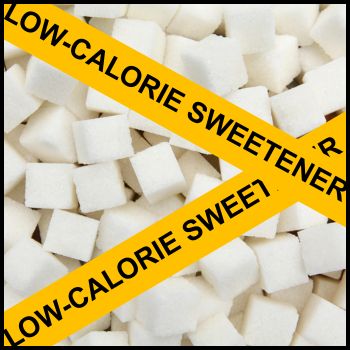 Scientific studies strongly suggest that artificial sweeteners, once thought to be safe alternatives to sugar, are linked to significant health risks. Key findings include increased risks of cardiovascular disease, stroke, type 2 diabetes, metabolic syndrome, cognitive decline, and potential carcinogenicity.1 2 Artificial sweeteners discussed include erythritol, sucralose, and aspartame, which can alter gut microbiota,3 increase inflammation, and cause blood clotting.
Read More »
 Extra weight around the belly may not seem hazardous. However, a higher abdominal circumference is one of several contributing factors to Metabolic Syndrome. As a risk factor for diabetes and cardiovascular disease, Metabolic Syndrome can creep up over time. Hormones, insulin resistance, genetics, organ dysfunction, and mitochondrial dysfunction can play a role.
Lifestyle, including nutrition and exercise, are factors that contribute to Metabolic Syndrome, and are under our control. Therefore, preventing or reversing metabolic syndrome can improve both lifespan and quality of life. Diabetic retinopathy, central retinal artery occlusion, cataract, age-related macular degeneration, glaucoma, and dry eye syndrome are eye diseases with similar underlying risk factors to Metabolic Syndrome. Oxidative stress ties into all these problems. What is the science behind Metabolic Syndrome? What can you do to head it off?
Read More »
 You have heard that our diets have too much sugar. What does this mean? How does sugar affect our health, short-term and long-term? A large body of research shows the detrimental effects of excessive sugar, from tooth decay to diabetes. High-fructose corn syrup is especially villainized. And sugar is even blamed for hurting immunity.
Humans have the teeth of frugivores — fruit eaters. We have a natural “sweet tooth.” However, we have succeeded in maintaining a consistent and varied food supply. And we do not exert ourselves as much as our ancestors. Therefore, modern humans need a modern diet.
Read More »
 Diabetic retinopathy is a vision-stealing effect of diabetes. What causes diabetes, and how can you prevent it? Can diabetic patients prevent this eye disease? What can you do to halt diabetic retinopathy? How can patients preserve their vision?
 Scientists recently discovered a fat molecule that they called “palmitoleic acid”, a type of Omega-7 fatty acid. The substance appears to have special anti-inflammatory properties. Omega-7 occurs in certain fish oils and nuts. You may have heard of Omega-3 fatty acids, which come mostly from cold water fatty fish. Omega-3s reduce inflammation and heart disease risk. Omega-6 fatty acids occur in primarily in nuts and seeds, vegetable oil and grains. Omega-6 fatty acids are polyunsaturated fats. Omega-7s are monounsaturated fats, similar to olive oil. How are these types of fats different? What makes palmitoleic acid so important for preventing Type 2 diabetes and metabolic syndrome? Should you get them through food or supplements? How much should you take?
Read More »
 You may have heard that French Maritime pine bark extract, or Pinus pinaster, can reduce atherosclerosis. Hardening of the arteries is a leading cause of heart attacks and stroke. The middle-aged and seniors are vulnerable to high cholesterol, high blood pressure, and high blood sugar. Diet, exercise, and weight management are important for controlling metabolic syndrome. Additionally, this extract has been shown to alter fat metabolism and inflammation that are factors in atherosclerosis. How does French Maritime Pine bark extract address plaque build-up in the arteries?
Read More »
 Astaxanthin is an extremely powerful antioxidant that is sometimes overlooked. It protects the body from free radical damage. Ten times more powerful than beta-carotene, astaxanthin is a carotenoid that can cross the blood-brain barrier1. This means it can reach the retina and macula of the eye.
Seniors need to be especially protective of their eye health. In Age-Related Macular Degeneration, the yellowish-colored macular responsible for central vision begins to break down. This makes driving, reading, cooking and recognizing faces difficult or impossible. Cataracts cause haziness and blurring as the lens becomes obscured. And glaucoma gradually steals peripheral vision due to damage to the optic nerve. A large body of research points
Read More »
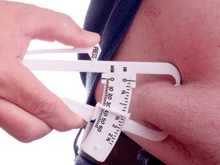
Don’t just take it from us that glaucoma risk increases in those who have diabetes, high blood pressure, and who are overweight. Researchers publishing in the journal Ophthalmology have found that these conditions, which together are labeled “metabolic syndrome” are all linked to the development of open-angle glaucoma.
A staggering 20% of people in America are said to have metabolic syndrome. Both metabolic syndrome and glaucoma are associated with aging, so, as the US population gets older, scientists believe that both conditions with become more prevalent.
Read More »
Natural Eye Care, Inc.
3 Paradies Lane
New Paltz, New York 12561
Phone: 845.475.4158

NaturalEyeCare™ started in 1999 to help the public and professionals learn about complementary care in eye disease treatment.
The information and recommendations we offer are based on over 30 years of peer review research and personal clinical experience which guides us in providing a valuable resource to our readers, customers and patients regarding maintaining healthy vision naturally.
We believe that vision health is intimately connected to overall mental, physical and spiritual health. Therefore we encourage people to look at their overall lifestyle and diet as part of keeping healthy vision and reducing the risk of eye disease onset. This includes diet, regular exercise, and management of daily stress. If one has health issues such as high blood pressure, a thyroid imbalance, any autoimmune disease and/or are on medication(s), these possible contributions to eye disease should considered when working with your health care professional.
Please do not hesitate to call us at 845.475.4158 with any questions and concerns.