
 Want to support healthier vision and improve your overall health as you age? One practical place to begin is to eat fewer ultra-processed foods and choose more whole or minimally processed foods. You do not need a perfect diet, nor do you need to eliminate every packaged product. Small, consistent substitutions can improve the quality of your diet while reducing ingredients and processes that promote inflammation, oxidative stress, poor blood sugar regulation, diabetes, heart disease, and cancer.
A diet dominated by ultra-processed foods may raise the risk of serious age-related eye conditions, including macular degeneration, cataracts, and glaucoma. These products may contribute to high blood sugar, inflammation, and oxidative stress that damage delicate cells and blood vessels in the eyes. A diet lacking essential fatty acids and other nutrients may also interfere with healthy tear production and contribute to dry eye. When you choose these foods, you miss out on crucial nutrients. And, many ultra-processed foods are high in calories while providing few useful nutrients. Hence the term “junk food.” 1 2
Ultra-processed foods are industrial formulations made from extracted ingredients and additives rather than intact foods. They often undergo processes such as molding, pre-frying, or chemical modification and may contain flavors, colors, sweeteners, emulsifiers, or other substances that are rarely used in a home kitchen. 3
Read More »
 A widely used food thickener, xanthan gum, may have more complex effects on the gut than previously recognized. Xanthan gum helps give many highly processed ice creams, sorbets, and yogurts their gooey, creamy texture.* Valued for its thickening, stabilizing, and gelling properties, xanthan gum is among the food industry’s most widely used additives. It can also make liquids easier and safer to swallow for people who have difficulty swallowing, a condition known as dysphagia. The additive is common in ultra-processed foods, gluten-free products, baked goods, protein shakes, sauces, gravy, salad dressings, and supplements.
Research from the Federal University of São Paulo (UNIFESP) in Brazil raises questions about the effects of prolonged consumption of xanthan gum.1 Rats that received it for ten weeks developed colon inflammation, changes in their gut microbiota, and reduced intestinal barrier integrity.
Read More »
 A healthy, nutrient-rich diet supports long-term brain and eye health and may help lower the risk of serious conditions like Alzheimer’s disease and other dementias, as well as vision disorders such as macular degeneration and glaucoma.
One eating pattern often highlighted for these benefits is the Mediterranean-style diet. Research links consistent adherence to this approach with lower overall mortality, reduced deaths from cardiovascular disease and cancer, and a decreased likelihood of developing chronic, degenerative illnesses.1
Read More »
 A large body of scientific research backs up the claim that astaxanthin is great for your body. As a potent antioxidant, astaxanthin scavenges free radicals that cause cellular damage. This benefits many parts of the body, including your skin, eyes, and brain. What is astaxanthin? Where does it come from? And what does the latest research say about its benefits?
Astaxanthin is a marine xanthophyll carotenoid primarily produced by microalgae like Haematococcus pluvialis. Dietary astaxanthin can be obtained through seafood, including salmon, trout, shrimp, and krill.
Read More »
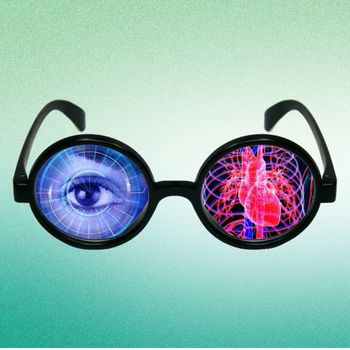 The link between cardiovascular disease and eye health may not be obvious. However, the eyes are made from nutrients. A large body of research shows how important nutrition is for eye health. Maintaining healthy vision depends on whether the eyes and visual system are properly nourished. Cardiovascular disease, including high blood pressure and atherosclerosis, can affect the flow of essential nutrients and oxygen to the eyes. Poor circulation to the eyes can cause damage to the retina’s tiny blood vessels, with potentially sight-threatening consequences. Cardiovascular disease can often be identified through retinal scans well before the disease is detectable through traditional tests.
Read More »
 Extra weight around the belly may not seem hazardous. However, a higher abdominal circumference is one of several contributing factors to Metabolic Syndrome. As a risk factor for diabetes and cardiovascular disease, Metabolic Syndrome can creep up over time. Hormones, insulin resistance, genetics, organ dysfunction, and mitochondrial dysfunction can play a role.
Lifestyle, including nutrition and exercise, are factors that contribute to Metabolic Syndrome, and are under our control. Therefore, preventing or reversing metabolic syndrome can improve both lifespan and quality of life. Diabetic retinopathy, central retinal artery occlusion, cataract, age-related macular degeneration, glaucoma, and dry eye syndrome are eye diseases with similar underlying risk factors to Metabolic Syndrome. Oxidative stress ties into all these problems. What is the science behind Metabolic Syndrome? What can you do to head it off?
Read More »
 DHA is one of the omega-3 fatty acids that nutritionists implore us to eat. Why are grilled salmon and canned tuna part of nearly every diet and nutrition plan? Fatty fish is just one good source of DHA and other crucial nutrients. Find out how omega-3 fatty acids reduce chronic inflammation and help prevent diseases such as macular degeneration (ARMD), glaucoma, and diabetes. Pregnant people need omega-3’s to help the fetus develop. How much omega-3 fatty acids should you eat? And how do you balance them with omega-6 fatty acids, found in refined foods and certain meats?
Read More »
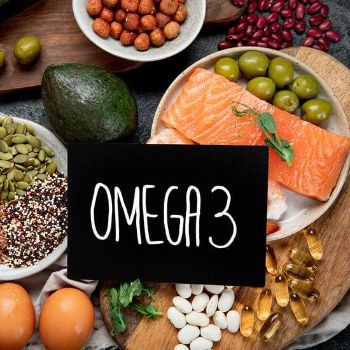 The standard Western diet, with many processed foods, white grains, fats, sugars, preservatives, and flavorings lacks essential nutrients to support the retina. These non-beneficial components aggravate inflammation in the body – an underlying, and sometimes a direct cause of illness, premature aging, and cellular degeneration.
Essential nutrients include a wide range of amino acids, minerals, vitamins, and vitamin-like nutrients. Among them, a star component of good health and good vision, are the omega-3 fatty acids.
Read More »
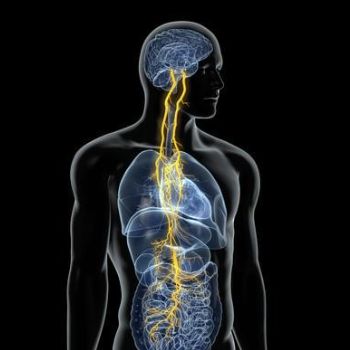 “Mind-body connection”? It is the link between our emotional/mental and physical selves. The link becomes evident as you learn about gut-brain access and the function of the vagus nerve.
Through two-way communication with the brain via the nervous system, endocrine system, and immune system, the gut and central nervous system form a gut-brain axis. They communicate with each other constantly, in both sickness and health.1 The gastrointestinal tract has its own nervous system that includes neurotransmitters, neurons, and electrical signals. Called the enteric nervous system, it is often referred to as the second brain. Researchers have concluded that mechanisms that degenerate the neurons in the brain also degenerate neurons in the enteric nervous system.2 For example, exercise stimulates gut motility. If the vagus nerve is impaired, as in animal models, the gut has limited motility and nutrient absorption is hindered.3
Read More »
When threatened, the tissues of your body respond with inflammation in order to maintain stability and permit healing. Bio-chemicals in your white blood cells increase the blood flow to the area of injury or infection causing redness, warmth, and swelling. That’s why you have a fever when sick, why your finger swells if you don’t remove a splinter promptly, or why your eyes get red and itchy when the air isn’t clean.
Read More »
Natural Eye Care, Inc.
3 Paradies Lane
New Paltz, New York 12561
Phone: 845.475.4158

NaturalEyeCare™ started in 1999 to help the public and professionals learn about complementary care in eye disease treatment.
The information and recommendations we offer are based on over 30 years of peer review research and personal clinical experience which guides us in providing a valuable resource to our readers, customers and patients regarding maintaining healthy vision naturally.
We believe that vision health is intimately connected to overall mental, physical and spiritual health. Therefore we encourage people to look at their overall lifestyle and diet as part of keeping healthy vision and reducing the risk of eye disease onset. This includes diet, regular exercise, and management of daily stress. If one has health issues such as high blood pressure, a thyroid imbalance, any autoimmune disease and/or are on medication(s), these possible contributions to eye disease should considered when working with your health care professional.
Please do not hesitate to call us at 845.475.4158 with any questions and concerns.