
 Sugary drinks and eye health may seem unrelated, but what you sip each day can affect much more than your thirst. A new long-term study found that people who consumed at least one sugar-sweetened drink daily had more than twice the risk of developing stomach cancer compared with people who rarely drank them. The study does not prove that sugary drinks caused the cancer, but the size of the association deserves attention.
Sodapop is not the only drink worth examining. Fruit punches, lemonades, sports drinks, energy drinks, sweetened coffees, and some electrolyte beverages can contain surprising amounts of added sugar. Cutting back does not mean that you should automatically switch to diet beverages containing artificial sweeteners. There are better everyday choices, including water, lemon water, coffee, tea, green tea, and drinks lightly sweetened with stevia.
How much sugar is hiding in your favorite drink? When do you actually need electrolytes? Are diet drinks a healthy substitute? This article examines the new stomach cancer research, the relationship between sugary drinks and eye health, the proper use of electrolyte beverages, and practical ways to reduce sugar without giving up every occasional treat.
A sugar-sweetened beverage is any drink containing sugar that was added during manufacturing or preparation. Common examples include:
Read More »
 Want to support healthier vision and improve your overall health as you age? One practical place to begin is to eat fewer ultra-processed foods and choose more whole or minimally processed foods. You do not need a perfect diet, nor do you need to eliminate every packaged product. Small, consistent substitutions can improve the quality of your diet while reducing ingredients and processes that promote inflammation, oxidative stress, poor blood sugar regulation, diabetes, heart disease, and cancer.
A diet dominated by ultra-processed foods may raise the risk of serious age-related eye conditions, including macular degeneration, cataracts, and glaucoma. These products may contribute to high blood sugar, inflammation, and oxidative stress that damage delicate cells and blood vessels in the eyes. A diet lacking essential fatty acids and other nutrients may also interfere with healthy tear production and contribute to dry eye. When you choose these foods, you miss out on crucial nutrients. And, many ultra-processed foods are high in calories while providing few useful nutrients. Hence the term “junk food.” 1 2
Ultra-processed foods are industrial formulations made from extracted ingredients and additives rather than intact foods. They often undergo processes such as molding, pre-frying, or chemical modification and may contain flavors, colors, sweeteners, emulsifiers, or other substances that are rarely used in a home kitchen. 3
Read More »
News for July 4, 2026. In this article:
Study Finds that Cannabis May Be Less Effective for Chronic Nerve Pain
Omega-3 Fish Oil Shows Promise Against Type 2 Diabetes
Can You Keep Your Telomeres Long?
Pleo Muc eyedrops for Dry Eye – BACK IN STOCK
Suggested Supplements Consider
 Research linked daily moderate consumption of caffeinated coffee or tea to an 18% lower risk of dementia. 1 A major JAMA study followed more than 131,000 adults for as long as 43 years, which gives this research weight. The researchers looked at coffee, tea, dementia risk, and cognitive function. They found that people who drank more caffeinated coffee had a lower risk of dementia and were less likely to report subjective cognitive decline. Caffeinated tea showed similar favorable associations, while decaffeinated coffee did not show the same connection.

Vitamin C is best known for immune support, but its role in healthy aging is broader than that. Ascorbic acid, the chemical name for Vitamin C, helps the body make collagen, supports blood vessel integrity, assists wound healing, improves the absorption of iron from plant foods, and acts as an antioxidant. These functions matter throughout the body, including in the brain and eyes.
A recent large study of older adults adds another reason to pay attention to vitamin C status. Researchers found that lower plasma vitamin C levels were associated with lower gray matter volume and weaker connectivity in a major brain network involved in memory, attention, and self-reflection. The study does not prove that vitamin C prevents brain shrinkage or cognitive decline. However, it does suggest that healthy vitamin C levels may be one marker of better brain aging. 1
Read More »
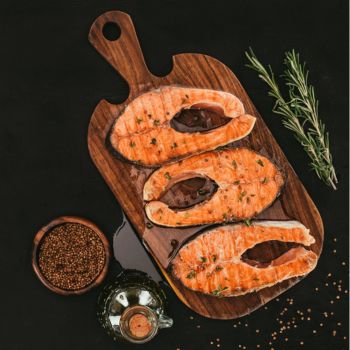 A large body of scientific research backs up the claim that astaxanthin is great for your body. As a potent antioxidant, astaxanthin scavenges free radicals that cause cellular damage. This benefits many parts of the body, including your skin, eyes, and brain. What is astaxanthin? Where does it come from? And what does the latest research say about its benefits?
Astaxanthin is a marine xanthophyll carotenoid primarily produced by microalgae like Haematococcus pluvialis. Dietary astaxanthin can be obtained through seafood, including salmon, trout, shrimp, and krill.
Read More »
 The US Department of Health and Human Services (HHS) released its long-awaited update to the nation’s dietary guidelines on January 7, 2026, promising a “historic reset” that puts real, minimally processed food back at the center of American nutrition policy 1. Chronic diseases like heart disease, diabetes, and obesity are high, and these guidelines aim to “Make America Healthy Again.”
On the other hand, the Mediterranean Diet is popular for its proven benefits in reducing the risk of chronic diseases and promoting long-term wellness. It focuses on plant-based meals, healthy fats, and a balanced lifestyle. At Natural Eye Care, we adapted the Mediterranean Diet specifically for people with vision issues and called it the Vision Diet. This diet includes additional recommendations on antioxidant intake, organic foods, and avoiding certain additives and fats 2.
Read More »
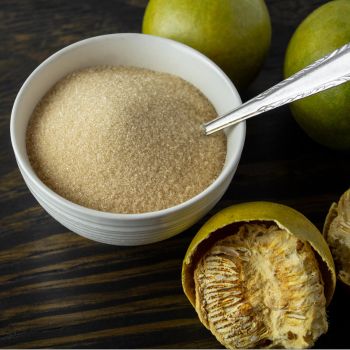
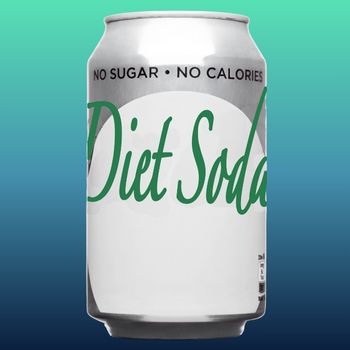 Artificial sweeteners have long been marketed as a “healthier” alternative to sugar, especially for those managing diabetes, obesity, or simply aiming to cut calories. But as we explored in a previous article, mounting research suggests these sugar substitutes may come with hidden health risks that cannot be ignored.
Now, new evidence is shining a spotlight on erythritol—a sugar alcohol commonly found in low-calorie snacks, drinks, and specialty foods. While erythritol is often promoted as a safe, natural option, recent studies suggest it may have unexpected and serious effects on our health, particularly when it comes to brain and cardiovascular function. In this article, we’ll unpack the latest research, explore how artificial sweeteners could affect not just your body but also your vision, and share safe, natural alternatives for those seeking a genuinely healthy way to satisfy their sweet tooth.
Read More »
 We are exposed to blue light daily when we over-use computers, smartphones, tablets, and televisions. We also get blue light from the sun, and LED and fluorescent lights The risks associated with blue-light exposure increase with the duration of exposure. Therefore, take steps to keep your eyes safer. We will explain research on blue light and macular degeneration, and provide tips for reducing blue light exposure.
 Oxidative stress happens everywhere in the body and can create havoc over time. Many eye and brain diseases are triggered or exacerbated by oxidative stress. The body counteracts this stress by producing antioxidants. However, you must also ingest additional antioxidants through healthy food, drinks, and supplements. Green tea, rich in antioxidants, offers protective benefits for eye health by combating oxidative damage.1 At pennies per cup, this convenient and tasty beverage has been studied for its special antioxidant properties. What are the green tea benefits for seniors? Read on to find out.
Read More »
Natural Eye Care, Inc.
3 Paradies Lane
New Paltz, New York 12561
Phone: 845.475.4158

NaturalEyeCare™ started in 1999 to help the public and professionals learn about complementary care in eye disease treatment.
The information and recommendations we offer are based on over 30 years of peer review research and personal clinical experience which guides us in providing a valuable resource to our readers, customers and patients regarding maintaining healthy vision naturally.
We believe that vision health is intimately connected to overall mental, physical and spiritual health. Therefore we encourage people to look at their overall lifestyle and diet as part of keeping healthy vision and reducing the risk of eye disease onset. This includes diet, regular exercise, and management of daily stress. If one has health issues such as high blood pressure, a thyroid imbalance, any autoimmune disease and/or are on medication(s), these possible contributions to eye disease should considered when working with your health care professional.
Please do not hesitate to call us at 845.475.4158 with any questions and concerns.