
 As we get older, it’s common to notice changes in memory, focus, and mental sharpness. Researchers often discuss these changes in relation to neurogenesis—the ongoing creation of new brain cells—which tends to slow down with age. Because neurogenesis supports the brain’s ability to adapt and maintain itself (often called plasticity), a decline may be associated with reduced cognitive performance over time.
Age-related factors such as oxidative stress and inflammation are frequently discussed as reasons neurogenesis may slow down. At the same time, healthy dietary patterns and lifestyle habits are often studied for their potential to support brain health and the processes involved in maintaining brain tissue.
Read More »
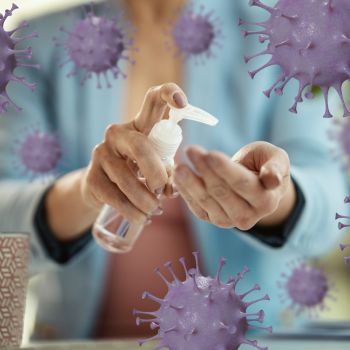 Wintertime is when colds and flu are the most common. Why should we try to avoid these infectious diseases, and how? In addition to annual vaccines, what are some natural ways to stay healthy during cold and flu season? At Natural Eye Care, we see healthy eyes as part of a healthy body. This article references research that supports lifestyle, nutrition, botanicals, and supplements to fight colds and flu. Find out how to avoid getting sick, reduce the impact, and recover faster.
Each year, approximately 5 to 20 percent of Americans come down with the flu. Although most recover without incident, flu-related complications typically lead to at least 200,000 hospitalizations and between 12,000 and 60,000 deaths each year. People tend to recover from bacterial-related colds much more quickly than virus-related colds. Seniors and small children are especially susceptible.
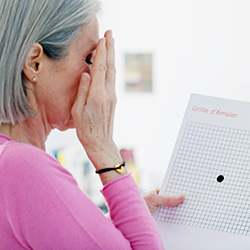 Wet Age-Related Macular Degeneration and Diabetic Retinopathy can lead to vision loss from angiogenesis. Angiogenesis is the growth of unwanted blood vessels in the retina. These excess blood vessels obscure or distort vision and damage the eye. They can result in permanent damage if not treated, typically by injection of EyLea, Avastin, or Lucentis. Macular Degeneration (ARMD) and Diabetic Retinopathy are most prevalent among seniors over age 60. Are there any natural methods to help retard the growth of extra blood vessels in the eye?
Read More »
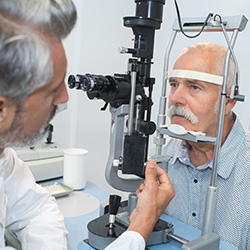 Mirtogenol® has been shown to reduce eye pressure, which is a risk factor and symptom of glaucoma. A combination of bilberry extract and French maritime pine bark, Mirtogenol was the first nutrient combination shown to support healthy eye pressure. Glaucoma is the leading cause of blindness in the world. By reducing intra-ocular pressure (IOP), Mirtogenol naturally supports glaucoma. Glaucoma leads to irreversible optic nerve damage and vision loss. Dr. Marc Grossman, OD, L.Ac. and author of “Natural Eye Care: Your Guide to Healthy Vision and Healing” has released a new Eye Pressure Support Ease Formula With Mirtogenol Plus.
Read More »
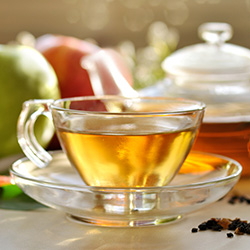 A large body of research shows green tea is a “super-antioxidant” that benefits the entire body, including the eyes. Eyes are highly vulnerable to oxidative stress, so any antioxidant could have ocular benefits. However, green tea contains polyphenols, potent antioxidants that also reduce inflammation. Catechins in green tea are highly absorbable by eye tissues, unlike many other antioxidants. What does the research into green tea and vision show? How much green tea do you need to get these benefits? If you do not like tea, is there an alternative?
Read More »
 Eye vitamins are crucial to vision health. In fact, the eye is the most vitamin-hungry organ in the body proportional to its size. It is the second most physiologically active part of our body only second to our brain. We believe the eyes require approximately 25% of the nutrients taken into the body to maintain full health. Any less may eventually result in eye diseases such as macular degeneration, glaucoma and cataracts.
Many seniors suffer from these eye diseases. A lifetime of eye stressors, including excessive sunlight and poor diet, catches up with seniors. They also have less efficient digestion, poorer circulation and may have risk factors such as diabetes, long-term smoking, and lack of exercise. Dr. Grossman, a New York-based
Read More »
Natural Eye Care, Inc.
3 Paradies Lane
New Paltz, New York 12561
Phone: 845.475.4158
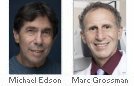
NaturalEyeCare™ started in 1999 to help the public and professionals learn about complementary care in eye disease treatment.
The information and recommendations we offer are based on over 30 years of peer review research and personal clinical experience which guides us in providing a valuable resource to our readers, customers and patients regarding maintaining healthy vision naturally.
We believe that vision health is intimately connected to overall mental, physical and spiritual health. Therefore we encourage people to look at their overall lifestyle and diet as part of keeping healthy vision and reducing the risk of eye disease onset. This includes diet, regular exercise, and management of daily stress. If one has health issues such as high blood pressure, a thyroid imbalance, any autoimmune disease and/or are on medication(s), these possible contributions to eye disease should considered when working with your health care professional.
Please do not hesitate to call us at 845.475.4158 with any questions and concerns.