
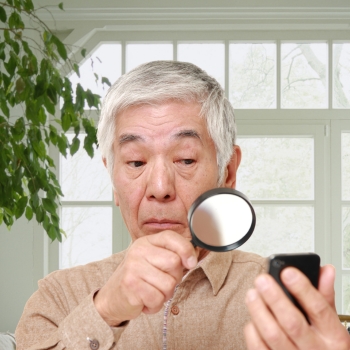
 Aging eyes and focusing problems often become noticeable when you find yourself holding a menu farther away. Or, you increase the font size on your phone. You may also need brighter light to read comfortably. The most common reason is presbyopia, the gradual loss of the eye’s ability to focus clearly on nearby objects. It usually becomes noticeable in middle age (40’s plus). Although presbyopia is a normal age-related change, researchers are learning more about what happens inside the lens as it ages.
Presbyopia is not considered an eye pathology, but just part of aging. The eye muscles start to weaken, so they can’t flex the lens as effectively for near and far vision. Daily eye exercises can help maintain vision strength and health. We offer a free eye-exercise e-book.
The clear lens inside your eye helps focus light on the retina. When you are young, the lens can change shape readily as you shift your gaze between distant and nearby objects. This process is called accommodation.
Read More »
 How can you save your vision regardless of your age? Eye disease is prevalent in seniors; however, people of all ages can take steps to protect their eyes. Here is Natural Eye Care’s guide to preserving the precious gift of sight.
Wear Sunglasses: The earth’s atmosphere has thinned, exposing our eyes to more ultraviolet light whenever we are outdoors. Wear 100% UVA/UVB protecting sunglasses when you are outside in the
Read More »
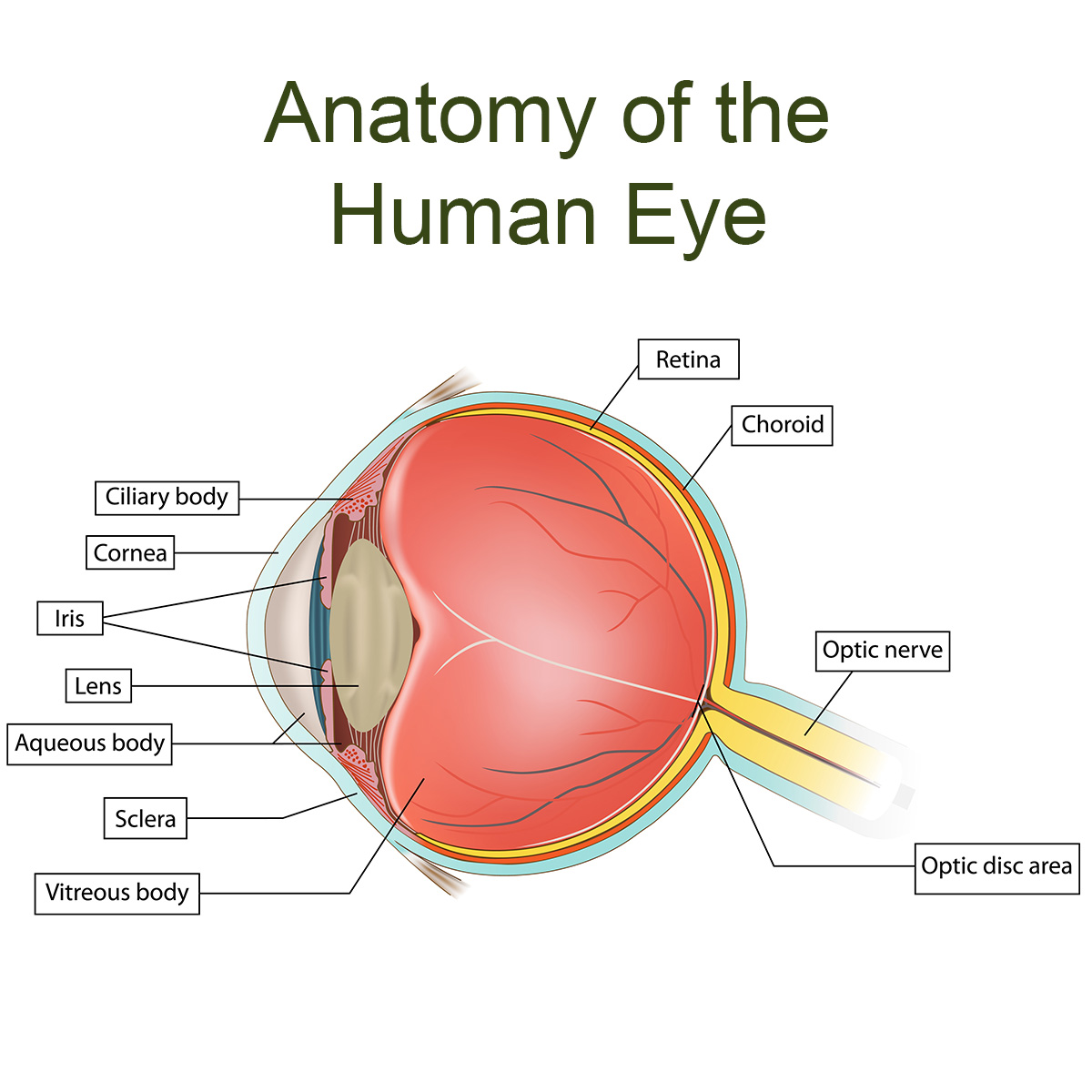 The eyes are small, but they have many parts including the eyelids, sclera, cornea, lens, optic nerve and retina. We depend heavily on our vision. When something goes wrong, the eyes are disproportionately affected. For example, a senior at risk of heart disease is also at risk of an ocular arterial or vein occlusion. Also, the macula requires a yellow-colored nutrient (lutein and zeaxanthin) found in certain vegetables such as green leafy vegetables, red, yellow and green peppers, corn and eggs. And antioxidants found in fresh fruits and vegetables have been shown to reduce oxidative eye damage and eye disease.
Read More »
People who develop presbyopia (from the Latin, meaning “old eyes”) have difficulty focusing on close objects because the crystalline lens of the eye loses its flexibility. Though it may seem to happen suddenly, this change in vision takes place over many years. Signs of presbyopia include the tendency to hold reading materials at arm’s length, blurred vision at normal reading distance, and eye fatigue along with headaches when doing close work.
Read More »
Natural Eye Care, Inc.
3 Paradies Lane
New Paltz, New York 12561
Phone: 845.475.4158

NaturalEyeCare™ started in 1999 to help the public and professionals learn about complementary care in eye disease treatment.
The information and recommendations we offer are based on over 30 years of peer review research and personal clinical experience which guides us in providing a valuable resource to our readers, customers and patients regarding maintaining healthy vision naturally.
We believe that vision health is intimately connected to overall mental, physical and spiritual health. Therefore we encourage people to look at their overall lifestyle and diet as part of keeping healthy vision and reducing the risk of eye disease onset. This includes diet, regular exercise, and management of daily stress. If one has health issues such as high blood pressure, a thyroid imbalance, any autoimmune disease and/or are on medication(s), these possible contributions to eye disease should considered when working with your health care professional.
Please do not hesitate to call us at 845.475.4158 with any questions and concerns.