
 July is Ultraviolet Safety Month, a crucial time to raise awareness about the dangers of UV rays and the importance of protecting our eyes and skin. Ultraviolet radiation, a type of energy produced by the sun, can have serious health implications if proper precautions are not taken. Why is UV safety important? What are the sources of ultraviolet radiation? How can you keep yourself and your loved ones safe from the harmful effects of UV rays?
Read More »
 Natural Treatments for the Eyelid
For mild cases of chalazion, styes, pterygium, and blepharitis, the following are ways to naturally treat these conditions. If these issues are persistent or affecting your vision, be sure to get seen by your eye doctor.
Note that our EyeEase Formula 2 fl oz is back in stock.
Read More »
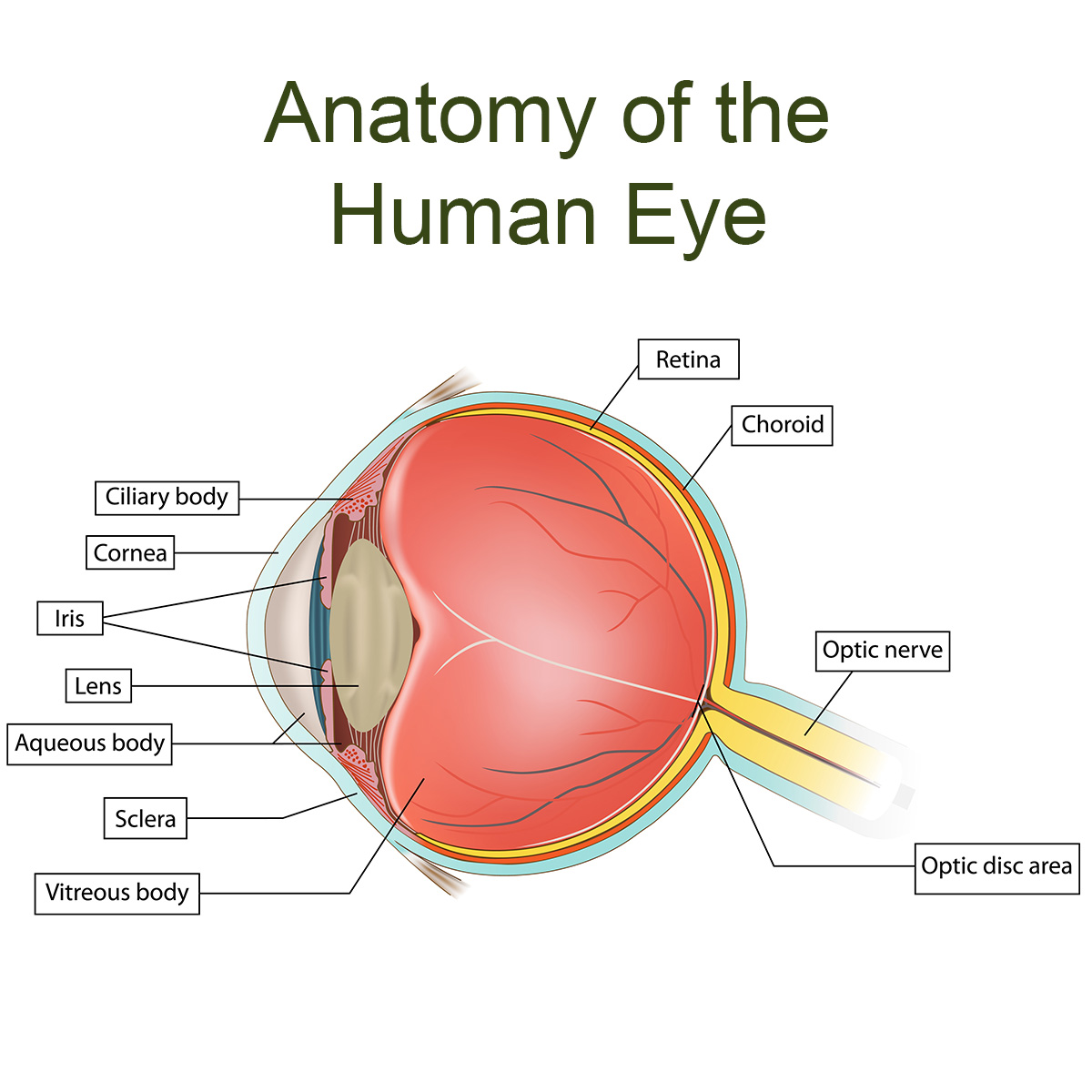 The eyes are small, but they have many parts including the eyelids, sclera, cornea, lens, optic nerve and retina. We depend heavily on our vision. When something goes wrong, the eyes are disproportionately affected. For example, a senior at risk of heart disease is also at risk of an ocular arterial or vein occlusion. Also, the macula requires a yellow-colored nutrient (lutein and zeaxanthin) found in certain vegetables such as green leafy vegetables, red, yellow and green peppers, corn and eggs. And antioxidants found in fresh fruits and vegetables have been shown to reduce oxidative eye damage and eye disease.
Read More »
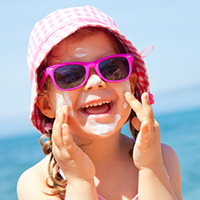 The sun sustains life, but it also can harm our eyes. Unsafe sun exposure causes or may contribute to several eye conditions and diseases. It can also cause eye injuries. Earth’s ozone layer absorbs most of the ultraviolet (UV) light from the sun, but chemicals have damaged it. Therefore, we must take extra precautions to prevent cataracts, age-related macular degeneration, ocular melanoma (eye cancer), and eye injuries such as pterygium (Surfer’s Eye), photokeratitis (snow blindness), and flash blindness. The sun is also a driving hazard when low on the horizon.
The body contains its own “sunscreen,” which is melanin. Dark-skinned people have more melanin and
Read More »
Researchers are examining dry eye syndrome‘s relationship to meibomian gland dysfunction and other eye conditions.
According to The Cornea & Contact Lens Society of New Zealand, “meibomian glands are the oil-producing glands located in both the upper and lower eyelids… This oil helps to stop the water in the tears from evaporating, thus helping to prevent dry eyes.” Dry eye symptoms can result when this stabilizing oil does not reach the tear film.
Spanish scientists publishing in Cornea found that nearly 50% of subjects with dry eye also had meibomian gland dysfunction.
In this study, it was also concluded that “Pterygium*, trauma, cataract surgery, pseudoexfoliation, and glaucoma are associated with signs of dry eye.”
Read More »
Natural Eye Care, Inc.
3 Paradies Lane
New Paltz, New York 12561
Phone: 845.475.4158

NaturalEyeCare™ started in 1999 to help the public and professionals learn about complementary care in eye disease treatment.
The information and recommendations we offer are based on over 30 years of peer review research and personal clinical experience which guides us in providing a valuable resource to our readers, customers and patients regarding maintaining healthy vision naturally.
We believe that vision health is intimately connected to overall mental, physical and spiritual health. Therefore we encourage people to look at their overall lifestyle and diet as part of keeping healthy vision and reducing the risk of eye disease onset. This includes diet, regular exercise, and management of daily stress. If one has health issues such as high blood pressure, a thyroid imbalance, any autoimmune disease and/or are on medication(s), these possible contributions to eye disease should considered when working with your health care professional.
Please do not hesitate to call us at 845.475.4158 with any questions and concerns.