
 Glucosamine sulfate is one of the most popular supplements taken for joint support. More than 40 million Americans take this compound daily for stiff joints and pain associated with osteoarthritis. Eight percent of seniors report taking glucosamine, making people ages 60 and up the biggest market for this supplement. What does the research show about its effectiveness and potential side effects? In this article, we discuss these questions, and reveal a 2026 study that links accelerated dementia in glucosamine supplement users who already showed signs of dementia.
Glucosamine sulfate is primarily studied for its potential to relieve osteoarthritis (OA) symptoms, especially in the knees. Research also looks at its role as a potential cartilage-preserving agent, particularly in relation to osteoarthritis management.
Read More »
 If you’ve been diagnosed with an eye condition later in life, you’ve probably noticed that most “eye health” conversations focus on vitamins.1 Those can be important, but researchers are also exploring a different strategy: helping retinal cells survive stress.2
Read More »
 Staying hydrated is an essential part of maintaining health. Drinking healthy fluids throughout the day helps the body detoxify and is critical in maintaining temperature control and proper blood viscosity. Seniors, in particular, generally do not drink enough water.
Why are we told to stay hydrated for our health? At Natural Eye Care, we care about the eyes and the body. Thus, keeping the body’s fluid balance is part of maintaining vision health. While 60% of the human body is composed of water, the eye is 98% water. Dehydration impairs the functioning of all systems in the body. Overhydration is also dangerous. In this article, we discuss the benefits of hydration, the deleterious effects of chronic dehydration, and how much water you need to drink.
Read More »
 Have you ever noticed specks or clouds in your field of vision? They are most likely eye floaters. Floaters can look like cobwebs, blobs, dots, or little insects that float around. Eye floaters can be semi-transparent or darker. If you have them, they are more noticeable in certain lighting conditions, such as bright sunlight. You might not notice them at all unless you are looking for them.
Read More »
 Inflammation is a factor in many eye diseases, and what you eat affects inflammation. Whenever major holidays comes along, we are tempted to eat special foods. Many of these treats are high in calories and sugar, which contribute to inflammation. While you don’t want to spoil anyone’s fun, you can choose to eat foods that are anti-inflammatory. At the end of this article, you will find tips for limiting the damage while still enjoying the holiday.
Read More »
 Have you ever heard that your eyes need plenty of nutrition? It’s true, and research backs this up. But did you know that the Standard American Diet tends to be very low in some eye-essential nutrients? The eyes are the second most physiologically active part of our body (#1 is the brain). At Natural Eye Care, we believe the eyes require approximately 25% of the nutrients we take into our body, if we eat a healthy diet. Even though most Americans consume enough calories, we may still have poor nutrition for the eyes. No wonder Macular Degeneration, cataracts, glaucoma, optic nerve
Read More »
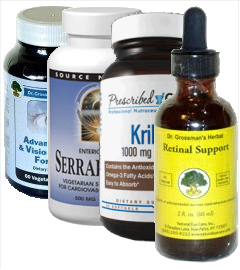 A macular pucker is most common in seniors. A slow-progressing problem, the epiretinal membrane is like a layer of thin plastic wrap. Sometimes when this membrane contracts in seniors, it causes wrinkling of the retina. The symptoms include central vision distortion and blurring. Macular swelling may also ensue.
Doctors have limited options for treating macular pucker. Wait-and-see and using the Amsler grid for screening are common. Doctors may recommend vitrectomy surgery for profound vision loss.
Read More »
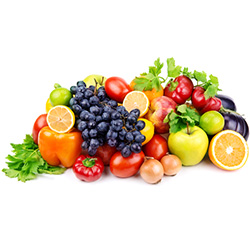 The links between antioxidants and vision health are strong. Antioxidants are the antidote to oxidization. Normal metabolism creates free radicals. These are atoms that lack an electron. Free radicals roam about the body, scavenging electrons and stealing electrons from healthy cells. This results in permanent damage to these afflicted cells which ultimately can result in disease. Significant research has shown that antioxidants protect against this cellular damage and are essential for maintaining health. The eye is especially vulnerable to free radical damage. Therefore, providing the body with sufficient antioxidants
Read More »
 Retinal Vein Occlusion is the blockage of veins that drain blood from the retina in the eye. The eye circulatory system depends on releasing blood back to the heart after it has nourished the retina. When the vein is blocked, hemorrhaging occurs, damaging the retina. It is typically caused by atherosclerosis, a common condition especially in older people that damages the arteries. “Occlusion” means the blockage or closing of a blood vessel.
Myopic macular degeneration is not commonly known in the U.S. even though it is the 7th highest ranking cause of legal blindness. In other parts of the world, such as Japan and China, it is the second highest cause of legal blindness. In addition, people of Jewish and middle eastern extraction are greater risk of developing the condition.
What is It?
 Myopic macular degeneration (MMD) arises primarily from genetic abnormalities. 30% of all cases were present at birth; 60% of all cases develop before the child is 13. It often continues to worsen, becoming quite severe myopia by the late teens or early 20s and by 60, 50% of MMD patients are legally blind.
The condition is caused
Read More »
Natural Eye Care, Inc.
3 Paradies Lane
New Paltz, New York 12561
Phone: 845.475.4158

NaturalEyeCare™ started in 1999 to help the public and professionals learn about complementary care in eye disease treatment.
The information and recommendations we offer are based on over 30 years of peer review research and personal clinical experience which guides us in providing a valuable resource to our readers, customers and patients regarding maintaining healthy vision naturally.
We believe that vision health is intimately connected to overall mental, physical and spiritual health. Therefore we encourage people to look at their overall lifestyle and diet as part of keeping healthy vision and reducing the risk of eye disease onset. This includes diet, regular exercise, and management of daily stress. If one has health issues such as high blood pressure, a thyroid imbalance, any autoimmune disease and/or are on medication(s), these possible contributions to eye disease should considered when working with your health care professional.
Please do not hesitate to call us at 845.475.4158 with any questions and concerns.