
 A healthy, nutrient-rich diet supports long-term brain and eye health and may help lower the risk of serious conditions like Alzheimer’s disease and other dementias, as well as vision disorders such as macular degeneration and glaucoma.
One eating pattern often highlighted for these benefits is the Mediterranean-style diet. Research links consistent adherence to this approach with lower overall mortality, reduced deaths from cardiovascular disease and cancer, and a decreased likelihood of developing chronic, degenerative illnesses.1
Read More »
 Coronary artery disease stands as the leading form of heart disease in the United States, impacting more than 20 million people. Among atherosclerosis’s most serious risks are heart attacks and strokes, both of which can have life-altering consequences. Fortunately, there are powerful steps you can take to protect your heart health. Building a balanced diet, staying active, and using carefully chosen supplements all play an important role in preventing and managing atherosclerosis. In this article, we will discuss how atherosclerosis happens, its effects on the body, and nutrients that support heart health. We also review basic lifestyle choices, such as exercise and remaining smoke-free, that can add years to your life.
Read More »
 What are the connections between caffeine, coffee and eye health? Do the negatives outweigh the positives? This is a tricky question, given the contradictory research on this popular beverage. Coffee is high in antioxidants that have broad health benefits. However, coffee is typically acidic, which can cause stomach symptoms. The caffeine in coffee is a stimulant that increases alertness, but it can also cause energy crashes. Caffeine research has not yet pinpointed the ideal amount of caffeine for better health. According to Traditional Chinese Medicine, coffee can be helpful or harmful, depending on the constitution of the drinker.
Read More »
Did you know that two substances of Asian origin, nattokinase and serrapeptase, have significant health benefits? Scientific studies have revealed some of the reasons why longevity is associated with regular consumption of serrapeptase and nattokinase supplements. Specifically, we will discuss cardiovascular disease, eye issues such as floaters, macular degeneration, and diabetic retinopathy, internal scar tissue from autoimmune disorders, lung disease, sinusitis, neurological disorders, and inflammatory bowel disease.
Read More »
 Diabetic retinopathy is a leading cause of blindness among adults. Poor blood sugar balance can damage nerves, so nerve support is crucial for people with diabetes. Diabetic retinopathy is a serious eye condition stemming primarily from imbalances in blood sugar levels. When blood sugar is not properly managed, the body’s delicate nerve tissues, including the retina, can be injured.
At Natural Eye Care, we have examined the research on nutrients that help protect the eye, including the retina and blood flow to the eye. Research has identified oxidative stress and inflammation as key contributors to the onset and development of numerous eye conditions.
Read More »
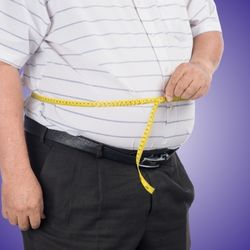 Extra weight around the belly may not seem hazardous. However, a higher abdominal circumference is one of several contributing factors to Metabolic Syndrome. As a risk factor for diabetes and cardiovascular disease, Metabolic Syndrome can creep up over time. Hormones, insulin resistance, genetics, organ dysfunction, and mitochondrial dysfunction can play a role.
Lifestyle, including nutrition and exercise, are factors that contribute to Metabolic Syndrome, and are under our control. Therefore, preventing or reversing metabolic syndrome can improve both lifespan and quality of life. Diabetic retinopathy, central retinal artery occlusion, cataract, age-related macular degeneration, glaucoma, and dry eye syndrome are eye diseases with similar underlying risk factors to Metabolic Syndrome. Oxidative stress ties into all these problems. What is the science behind Metabolic Syndrome? What can you do to head it off?
Read More »
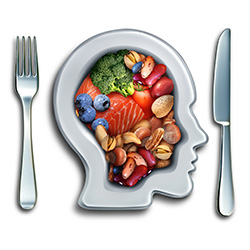 Brain health is especially important in seniors. Seniors are susceptible to dementia, Alzheimer’s disease, memory problems, and cognitive decline. Which foods boost brain power the most? At Natural Eye Care, we have picked eleven common foods that have brain-saving properties. Scientists have been studying the nutrients in foods for decades. They have isolated specific nutrients that cross the blood-brain barrier. These types of nutrients get direct access to the brain and even the retina. The retina is made from neural tissue. Researchers find that many of the nutrients helpful for the brain also stave off eye diseases such as macular degeneration and glaucoma.
Try adding some of these foods to your regular diet. Seniors need fewer calories than younger folks. Therefore, replace “junk food” like cookies, candy, and chips with these brain-boosters.
Read More »

When you’re feeling low, some chocolate can often perk you up.
If you are someone who suffers from chronic fatigue syndrome, the flavonoids in chocolate may actually help alleviate your symptoms.
A study published in Nutrition Journal describes how chocolate with high cocoa liquor counts that is rich in polyphenols was more effective in helping subjects manage their chronic fatigue symptoms over eight week periods than those taking “regular” chocolate.1
Read More »
 Retinal Vein Occlusion is the blockage of veins that drain blood from the retina in the eye. The eye circulatory system depends on releasing blood back to the heart after it has nourished the retina. When the vein is blocked, hemorrhaging occurs, damaging the retina. It is typically caused by atherosclerosis, a common condition especially in older people that damages the arteries. “Occlusion” means the blockage or closing of a blood vessel.
 A study in the British Medical Journal has shown that exercise can be as effective a treatment as conventional medication for some conditions. By examining 305 different trials, researchers found that patients that used exercise regularly as treatment rivaled or surpassed patients taking pills for the same conditions when examining their life expectancies.
The study was conducted by researchers at the London School of Economics, Stanford University School of Medicine, and the Harvard Pilgrim Health Care Institute at Harvard Medical School. Researchers scanned thousands of studies comparing exercise and medication and narrowed their analysis down to 305 of them. The cases included nearly 340,000 patients, treating conditions such as stroke rehab, heart disease and heart failure, and pre-diabetes.
Natural Eye Care, Inc.
3 Paradies Lane
New Paltz, New York 12561
Phone: 845.475.4158
NaturalEyeCare™ started in 1999 to help the public and professionals learn about complementary care in eye disease treatment.
The information and recommendations we offer are based on over 30 years of peer review research and personal clinical experience which guides us in providing a valuable resource to our readers, customers and patients regarding maintaining healthy vision naturally.
We believe that vision health is intimately connected to overall mental, physical and spiritual health. Therefore we encourage people to look at their overall lifestyle and diet as part of keeping healthy vision and reducing the risk of eye disease onset. This includes diet, regular exercise, and management of daily stress. If one has health issues such as high blood pressure, a thyroid imbalance, any autoimmune disease and/or are on medication(s), these possible contributions to eye disease should considered when working with your health care professional.
Please do not hesitate to call us at 845.475.4158 with any questions and concerns.