
 Glucosamine sulfate is one of the most popular supplements taken for joint support. More than 40 million Americans take this compound daily for stiff joints and pain associated with osteoarthritis. Eight percent of seniors report taking glucosamine, making people ages 60 and up the biggest market for this supplement. What does the research show about its effectiveness and potential side effects? In this article, we discuss these questions, and reveal a 2026 study that links accelerated dementia in glucosamine supplement users who already showed signs of dementia.
Glucosamine sulfate is primarily studied for its potential to relieve osteoarthritis (OA) symptoms, especially in the knees. Research also looks at its role as a potential cartilage-preserving agent, particularly in relation to osteoarthritis management.
Read More »
 Staying hydrated is an essential part of maintaining health. Drinking healthy fluids throughout the day helps the body detoxify and is critical in maintaining temperature control and proper blood viscosity. Seniors, in particular, generally do not drink enough water.
Why are we told to stay hydrated for our health? At Natural Eye Care, we care about the eyes and the body. Thus, keeping the body’s fluid balance is part of maintaining vision health. While 60% of the human body is composed of water, the eye is 98% water. Dehydration impairs the functioning of all systems in the body. Overhydration is also dangerous. In this article, we discuss the benefits of hydration, the deleterious effects of chronic dehydration, and how much water you need to drink.
Read More »
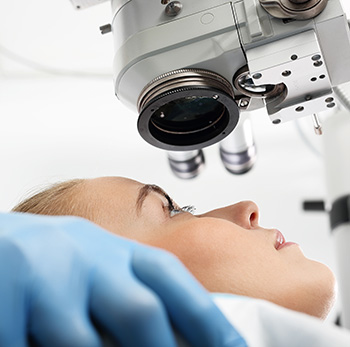 Two-thirds of your eye comprises the vitreous, composed of about 98% water and 2% collagen, hyaluronic acid, other substances, and fibers that attach to the retina. It takes up the space between the retina and the lens and has many important functions:
 Have you ever noticed specks or clouds in your field of vision? They are most likely eye floaters. Floaters can look like cobwebs, blobs, dots, or little insects that float around. Eye floaters can be semi-transparent or darker. If you have them, they are more noticeable in certain lighting conditions, such as bright sunlight. You might not notice them at all unless you are looking for them.
Read More »
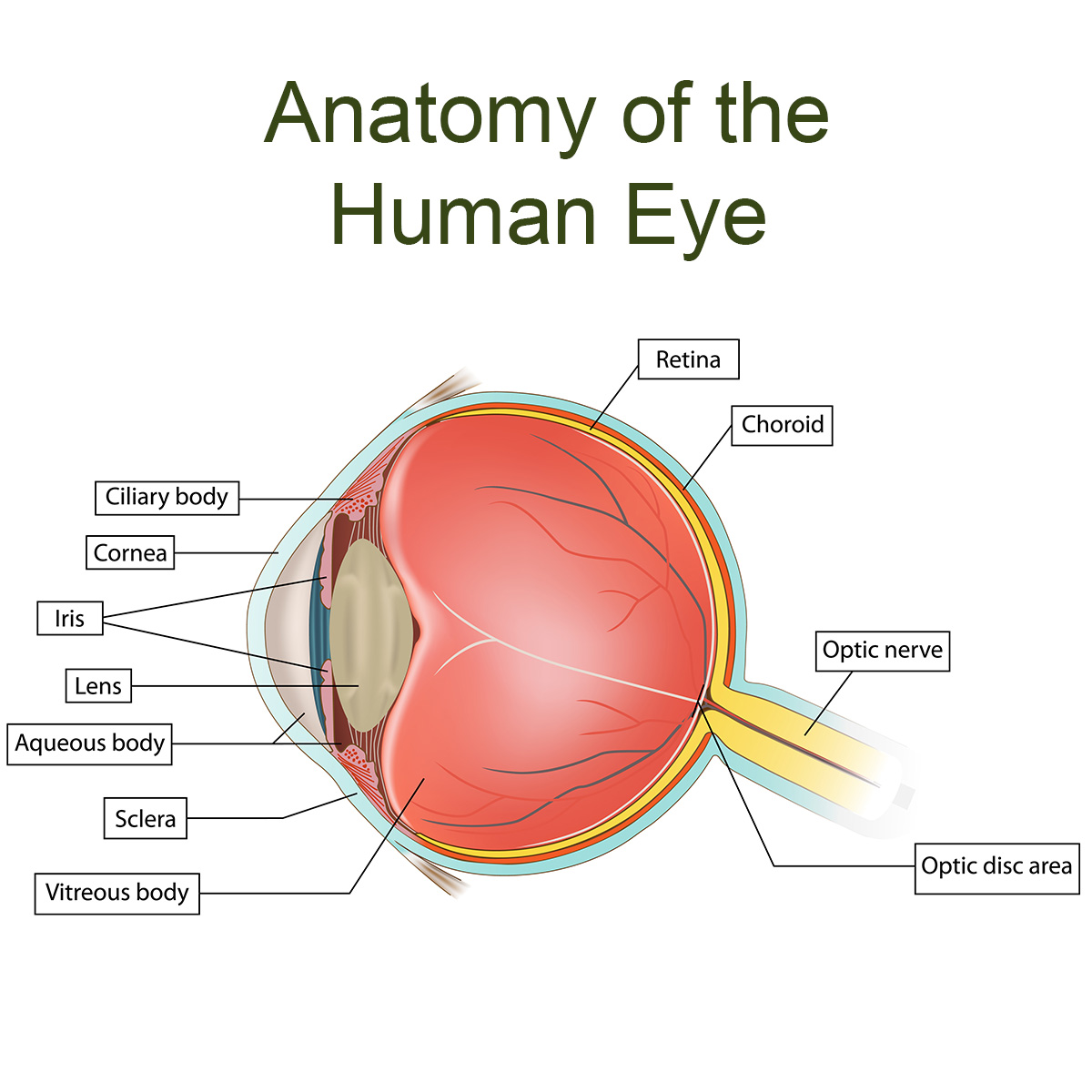 The eyes are small, but they have many parts including the eyelids, sclera, cornea, lens, optic nerve and retina. We depend heavily on our vision. When something goes wrong, the eyes are disproportionately affected. For example, a senior at risk of heart disease is also at risk of an ocular arterial or vein occlusion. Also, the macula requires a yellow-colored nutrient (lutein and zeaxanthin) found in certain vegetables such as green leafy vegetables, red, yellow and green peppers, corn and eggs. And antioxidants found in fresh fruits and vegetables have been shown to reduce oxidative eye damage and eye disease.
Read More »
 People who have advanced eye disease have waited too long to improve their vision health. Keeping the eyes health is a lifetime endeavor. An unhealthy lifestyle and poor nutrition lead to a higher risk of eye diseases. Researchers have linked cataracts, macular degeneration, glaucoma, optic neuropathy, retinal vein occlusions, and other eye conditions to mostly-controllable risk factors. Seniors are especially at risk. Natural Eye Care offers this guide to improving vision health.
Read More »
 A macular pucker is most common in seniors. A slow-progressing problem, the epiretinal membrane is like a layer of thin plastic wrap. Sometimes when this membrane contracts in seniors, it causes wrinkling of the retina. The symptoms include central vision distortion and blurring. Macular swelling may also ensue.
Doctors have limited options for treating macular pucker. Wait-and-see and using the Amsler grid for screening are common. Doctors may recommend vitrectomy surgery for profound vision loss.
Read More »
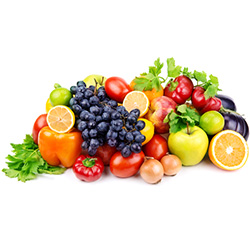 The links between antioxidants and vision health are strong. Antioxidants are the antidote to oxidization. Normal metabolism creates free radicals. These are atoms that lack an electron. Free radicals roam about the body, scavenging electrons and stealing electrons from healthy cells. This results in permanent damage to these afflicted cells which ultimately can result in disease. Significant research has shown that antioxidants protect against this cellular damage and are essential for maintaining health. The eye is especially vulnerable to free radical damage. Therefore, providing the body with sufficient antioxidants
Read More »
 As people age, eye diseases and conditions that commonly occur include macular degeneration, cataracts, vitreous tears/retinal tears and detachments, glaucoma, diabetic retinopathy, dry eyes, and eye floaters.
The question arises as to whether eye disease is inevitable with age. Will all older adults eventually have a “glint” in their eyes after cataracts surgery? More than 50% of people aged 75+ have glaucoma, cataracts, or macular degeneration. Can aging adults do anything to prevent, manage or slow down eye diseases associated with aging?
A large body of research is accumulating that shows the effects of regular eye exercises, good nutrition, and targeted supplementation on preventing and/or managing eye conditions. For instance, peer-reviewed research has shown that the risk of getting macular degeneration can be significantly reduced by taking fish oil and lutein on a daily basis. Vigorous exercise may reduce the incidence of glaucoma. And the effects of antioxidants on preventing cataract and macular degeneration have been the subject of significant research.
Natural Eye Care, Inc.
3 Paradies Lane
New Paltz, New York 12561
Phone: 845.475.4158
NaturalEyeCare™ started in 1999 to help the public and professionals learn about complementary care in eye disease treatment.
The information and recommendations we offer are based on over 30 years of peer review research and personal clinical experience which guides us in providing a valuable resource to our readers, customers and patients regarding maintaining healthy vision naturally.
We believe that vision health is intimately connected to overall mental, physical and spiritual health. Therefore we encourage people to look at their overall lifestyle and diet as part of keeping healthy vision and reducing the risk of eye disease onset. This includes diet, regular exercise, and management of daily stress. If one has health issues such as high blood pressure, a thyroid imbalance, any autoimmune disease and/or are on medication(s), these possible contributions to eye disease should considered when working with your health care professional.
Please do not hesitate to call us at 845.475.4158 with any questions and concerns.