
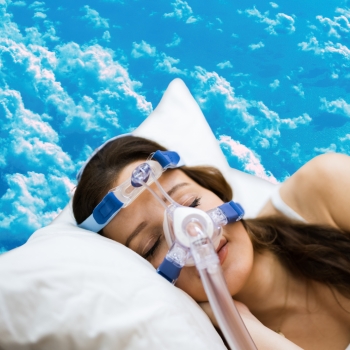
 Poor sleep and glaucoma may be more closely connected than previously understood. Recent research links short sleep, insomnia, and sleep apnea with changes in the retina and a higher risk of glaucoma. If you regularly struggle to sleep, there are practical steps you can take, including supporting healthy sleep and circulation, and getting medical help for an underlying sleep disorder.
Glaucoma damages retinal ganglion cells and the optic nerve, which carries visual information from the eye to the brain. Eye pressure is important, but it is not the whole story. Researchers are also studying blood flow, oxygen supply, oxidative stress, and the energy needs of these sensitive nerve cells.
In 2025, researchers in Kyoto, Japan, compared sleep and retinal health in 5,958 adults ages 40–80. 1 Participants wore devices that objectively measured sleep and underwent retinal imaging. Retinal nerve fiber layer thickness was greatest among people getting six to seven hours of actual sleep per night. Sleeping fewer than six hours was independently associated with a thinner retinal nerve fiber layer.
Read More »
 Coronary artery disease stands as the leading form of heart disease in the United States, impacting more than 20 million people. Among atherosclerosis’s most serious risks are heart attacks and strokes, both of which can have life-altering consequences. Fortunately, there are powerful steps you can take to protect your heart health. Building a balanced diet, staying active, and using carefully chosen supplements all play an important role in preventing and managing atherosclerosis. In this article, we will discuss how atherosclerosis happens, its effects on the body, and nutrients that support heart health. We also review basic lifestyle choices, such as exercise and remaining smoke-free, that can add years to your life.
Read More »
 Retinitis Pigmentosa is a progressive eye disease that has long been associated with gradual vision loss and limited treatment options. Affecting about one in every 4,000 people, Retinitis Pigmentosa (RP) is marked by the degeneration of the retina’s photoreceptor cells—first the rods, which are responsible for night vision, and then the cones, which enable us to see in daylight and color. While the genetic complexity and slow progression of RP have posed challenges for patients and researchers alike, recent discoveries are offering new hope. Exciting new research reveals that the retina may have an unexpected ability to adapt: certain retinal cells can rewire themselves in response to degeneration, potentially helping to preserve vision even as the disease advances.
Read More »
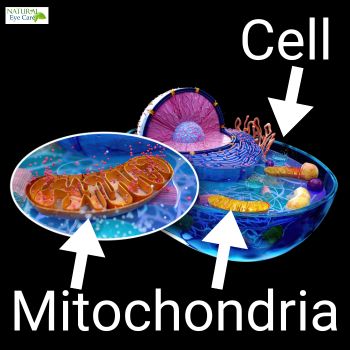 Keeping our cells healthy is key to staying well and helping to prevent disease. Your 30 trillion cells each contain mitochondria, the cell’s tiny “battery” and energy source. The main cause of death worldwide is non-communicable diseases such as heart disease, strokes, diabetes, cancer, chronic lung diseases, and brain diseases, including Alzheimer’s disease and dementia. Anything you do to keep your mitochondria healthy can mitigate these diseases, potentially extending life and increasing the quality of life. We have talked about how mitochondria work in some of our previous articles. In this article, we will discuss the origins of mitochondria, lifestyle considerations, and symptoms of mitochondria disease. Also, we include a long list of foods, supplements and nutrients that support mitochondrial functioning.

What is the relationship between brain health and eye health as we age? Our brains adapt and form new connections throughout our lives. Nutrition, lifestyle choices, and early detection play major roles in keeping the brain healthy, and the eyes. Find out about Natural Eye Care’s holistic approach to brain and eye health.
Our brains have an incredible ability to adapt and change as we age. Brain plasticity means that our brains can rewire themselves and form new connections, even as we get older.
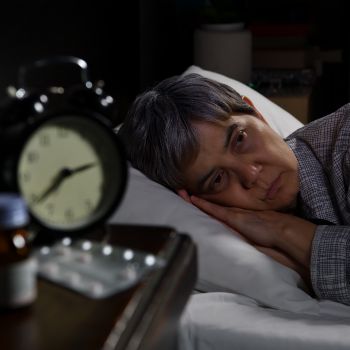 Getting enough sleep is crucial to your daily life and long-term health. However, many seniors struggle to get sufficient sleep. They also may have difficulty with the quality of sleep. What do the statistics show? How bad is sleep deprivation for your health? And what are some natural solutions?
Sleep comes naturally. So why do we see these shocking sleep statistics?
Read More »
 What is CoQ10?
Co-enzyme Q10 is an essential nutrient and antioxidant found in every cell in the body. It supports and promotes mitochondrial function essential for cellular energy. It is critical for eye, brain, and heart health. Health conditions like heart disease, brain disorders, diabetes, and cancer have been linked to low levels of CoQ10.1 The highest concentrations of COQ10 are found in organs with the greatest energy demands, such as the heart, kidneys, lungs, and liver.2 It is present in large quantities in the retina and the brain.3 4
CoQ10 is essential because it supports mitochondria processes. Mitochondria are the cellular energy producers that support all cellular activity. When CoQ10 is depleted or deficient, cells throughout the body are deprived of a fundamental need. Other nutrients such as acetyl-l-carnitine, omega-3 fatty acids, vitamin E, PQQ, and alpha-lipoic acid enhance CoQ10 functioning.
Read More »
 The links between antioxidants and vision health are strong. Antioxidants are the antidote to oxidization. Normal metabolism creates free radicals. These are atoms that lack an electron. Free radicals roam about the body, scavenging electrons and stealing electrons from healthy cells. This results in permanent damage to these afflicted cells which ultimately can result in disease. Significant research has shown that antioxidants protect against this cellular damage and are essential for maintaining health. The eye is especially vulnerable to free radical damage. Therefore, providing the body with sufficient antioxidants
Read More »
 Patients with early Age-Related Macular Degeneration (AMD) improved when taking a combination of nutrients. The nutrients were acetyl-L-carnitine, omega-3 fatty acids, and coenzyme Q10.1
The double-blind trial was controlled with a soy oil placebo. The study included over 100 patients with AMD. They were assigned to take two capsules per day for 12 months of either the treatment capsule or the placebo. Nearly all of the subjects who took the supplements for one year showed significant improvement in visual acuity (Snellen Chart & ETDRS chart), foveal sensitivity and changes in the back of the eye. The fovea is the only part of the eye where 100% visual acuity is possible. Only 2% of these subjects had clinically significant worsening of their condition. But 17% of the control group who received a placebo got worse.
 Antioxidants have been studied as a way of preventing eye diseases such as macular degeneration and cataracts. Oxidative damage (free radical damage) may be a contributing cause of these diseases. People concerned about developing these problems may consider taking both dietary and supplemental antioxidants, such as fruits, vegetables, and supplements like lutein, zeaxanthin, glutathione, and CoQ10.
A common disease in people over age 50, cataracts is a clouding of the lens of the eye. It may be caused by oxidative damage to proteins in the lens from UV light exposure.
Read More »
Natural Eye Care, Inc.
3 Paradies Lane
New Paltz, New York 12561
Phone: 845.475.4158

NaturalEyeCare™ started in 1999 to help the public and professionals learn about complementary care in eye disease treatment.
The information and recommendations we offer are based on over 30 years of peer review research and personal clinical experience which guides us in providing a valuable resource to our readers, customers and patients regarding maintaining healthy vision naturally.
We believe that vision health is intimately connected to overall mental, physical and spiritual health. Therefore we encourage people to look at their overall lifestyle and diet as part of keeping healthy vision and reducing the risk of eye disease onset. This includes diet, regular exercise, and management of daily stress. If one has health issues such as high blood pressure, a thyroid imbalance, any autoimmune disease and/or are on medication(s), these possible contributions to eye disease should considered when working with your health care professional.
Please do not hesitate to call us at 845.475.4158 with any questions and concerns.