

One important concept for maintaining eye health is understanding the eye-brain connection. This pathway starts with light entering the eye and ends when your brain makes sense of the visual world around you. Disruption or damage at any point in the pathway distorts your perception. Therefore, maintaining the health of each part of the eye-brain connection pathway ensures accurate perception. Your vision accounts for around 80% of your perceptions, learning, and thinking. Maintaining your vision as you age improves your quality of life. Consider how your ability to drive, watch television, read, prepare food, walk in nature, shop, and recognize friends and loved ones enables you to live independently and passionately. At Natural Eye Care, we want you to have the best chance at maintaining healthy vision throughout your whole life.
Read More »
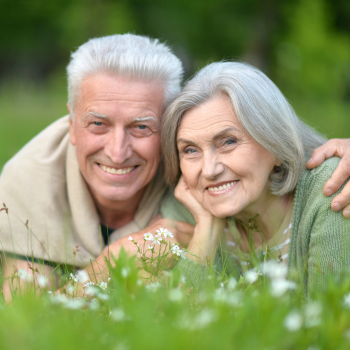 We might not connect our eating habits to eye disease, but poor nutrition impairs circulation. Reduced circulation can contribute to eye diseases, including cataracts, glaucoma, retinal vascular occlusions, ischemic optic neuropathy (ION), dry eyes, macular degeneration, and diabetic retinopathy. Instead of being a “victim” of eye diseases in your senior years, you can take charge of your health today!
Read More »

The antioxidants lutein and zeaxanthin help keep the eyes healthy. A new study has found that these nutrients also improve the circulation of blood to the brain. Seniors experience gradual cognitive decline. A recent study showed that taking enough of these antioxidants halted cognitive decline. Research supports the idea that nutrition has a direct impact on the brains and eyes throughout one’s lifespan from infancy (breast milk contains lutein) to old age.1

Mother always told you to eat your fruits and vegetables – but why? Modern researchers are finding more and more about antioxidants for health. Scientists publish mountains of peer-reviewed research a year on antioxidants found in fruits and veggies. One type of antioxidant is called “phytonutrients.” Found in plant pigments, phytonutrients are especially good for the eyes and brain. How do phytonutrients slow the impact of aging and reduce disease risk? Which foods contain significant amounts of the best types of phytonutrients?
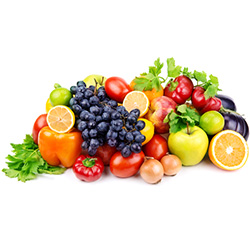 The links between antioxidants and vision health are strong. Antioxidants are the antidote to oxidization. Normal metabolism creates free radicals. These are atoms that lack an electron. Free radicals roam about the body, scavenging electrons and stealing electrons from healthy cells. This results in permanent damage to these afflicted cells which ultimately can result in disease. Significant research has shown that antioxidants protect against this cellular damage and are essential for maintaining health. The eye is especially vulnerable to free radical damage. Therefore, providing the body with sufficient antioxidants
Read More »
 As we age, our chances of developing a serious vision problem increase significantly. More than half of people over the age of 70 years old have an eye condition such as cataracts, glaucoma, and macular degeneration; people with diabetes often develop diabetic retinopathy. These limiting conditions decrease the quality of life. Being a retired senior means having time to enjoy life, read, travel, play golf, enjoy hobbies, and socialize with friends and family. However, participating in these activities requires clear vision.
We can learn to help preserve our vision and to become active
Read More »
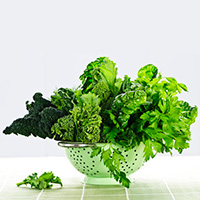 A large study found that people who ate enough leafy greens had a lower risk of getting primary open-angle glaucoma. A large body of research show the positive impact that good nutrition has on vision health. Eating sufficient amounts of vegetables provides the body with important nutrients.
The eye is made from nutrients. Leafy green vegetables are loaded with vitamin K, magnesium, iron, calcium, beta-carotene, carotenoids and other antioxidants, and the eye nutrients lutein
Read More »
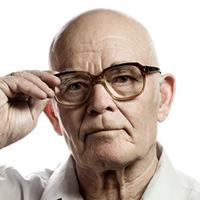 Macular edema is a swelling of the macula, the part of the eye responsible for central vision. When fluid builds up in the macula, it becomes swollen and thicker. This distorts vision. There are several causes, including diabetic retinopathy, post-eye surgery complications, macular degeneration, injury, systemic inflammatory diseases that can affect the eye, and/or vein blockages. If an eye disease causes damage to blood vessels in the retina, it can cause macular edema. Left untreated, this problem can cause serious vision loss and even blindness.
An eye doctor will direct your care should macular
Read More »
 The sun sustains life, but it also can harm our eyes. Unsafe sun exposure causes or may contribute to several eye conditions and diseases. It can also cause eye injuries. Earth’s ozone layer absorbs most of the ultraviolet (UV) light from the sun, but chemicals have damaged it. Therefore, we must take extra precautions to prevent cataracts, age-related macular degeneration, ocular melanoma (eye cancer), and eye injuries such as pterygium (Surfer’s Eye), photokeratitis (snow blindness), and flash blindness. The sun is also a driving hazard when low on the horizon.
The body contains its own “sunscreen,” which is melanin. Dark-skinned people have more melanin and
Read More »
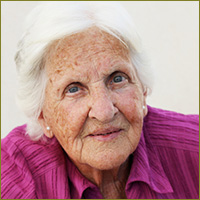 Age-Related Macular Denegation is a significant cause of vision loss that can often be managed and even improved through targeted nutritional support. It affects mostly people over age 50. While the precise cause of ARMD is not clear, oxidative damage is suspected as being a major factor. It strikes the elderly possibly due to poor diet and nutritional intake over a lifetime, less efficient absorption of nutrients and poor circulation as the body ages. The care needed by vision-impaired elderly could become overwhelming. Let’s take a look at some of the newest research in preventing macular degeneration, as well as treatment and support options.
Read More »
Natural Eye Care, Inc.
3 Paradies Lane
New Paltz, New York 12561
Phone: 845.475.4158
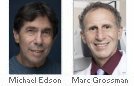
NaturalEyeCare™ started in 1999 to help the public and professionals learn about complementary care in eye disease treatment.
The information and recommendations we offer are based on over 30 years of peer review research and personal clinical experience which guides us in providing a valuable resource to our readers, customers and patients regarding maintaining healthy vision naturally.
We believe that vision health is intimately connected to overall mental, physical and spiritual health. Therefore we encourage people to look at their overall lifestyle and diet as part of keeping healthy vision and reducing the risk of eye disease onset. This includes diet, regular exercise, and management of daily stress. If one has health issues such as high blood pressure, a thyroid imbalance, any autoimmune disease and/or are on medication(s), these possible contributions to eye disease should considered when working with your health care professional.
Please do not hesitate to call us at 845.475.4158 with any questions and concerns.