
 The Mediterranean Diet and dementia have an encouraging research connection. In a large observational study, people whose eating habits most closely followed a Mediterranean-style pattern had a lower risk of developing dementia. What can we conclude from this study? How can your eating habits help prevent disease in the future? Keep reading for details about the study and practical tips for better nutrition.
Researchers followed 60,298 adults in the United Kingdom for an average of 9.1 years. The participants were ages 40 to 69 when they entered the study. Researchers compared their diets with two Mediterranean diet scoring systems and recorded new cases of dementia.
One system was the Mediterranean Diet Adherence Screener, commonly shortened to MEDAS. It gives points for habits that fit a Mediterranean-style pattern, such as eating vegetables, fruit, legumes, fish, and olive oil. A higher score means closer adherence to the pattern.
Read More »
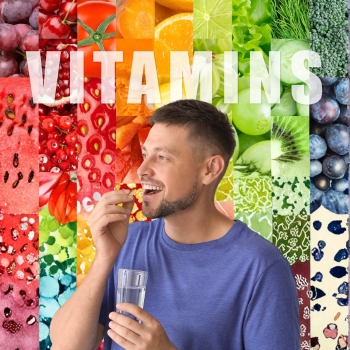 Can one daily multivitamin help you remain active and independent as you grow older? New research offers a cautiously encouraging answer. In a large randomized study, adults age 60 and older who took a daily multivitamin for three years reported slightly better functional health than those who took a placebo. Functional health includes how well you manage everyday activities and how much symptoms interfere with daily life.
The study included more than 16,000 participants from the COSMOS trial. The differences were modest and were measured with questionnaires rather than objective physical tests. The findings were presented at the NUTRITION 2026 conference but have not yet been published in a peer-reviewed journal. They are interesting, but they do not prove that a multivitamin prevents disability or treats fatigue, shortness of breath, or swelling in the feet. New or worsening symptoms like these require medical evaluation. 1
A multivitamin can help fill nutritional gaps, especially when appetite, food choices, medications, or changes in digestion make it difficult to obtain enough nutrients. It cannot replace a varied diet, exercise, sleep, prescribed treatment, or regular eye care. Evidence also does not show that routine multivitamin use prevents every chronic disease. The most sensible goal is nutritional support, not a promise of disease prevention. 2
Read More »
 The APOE4 gene variant and myelin may be connected in ways that affect brain health. New research suggests that cells that produce myelin may play an important role in how the APOE4 variant influences Alzheimer’s disease risk. Myelin is also essential to the optic nerve, which carries visual information from your eyes to your brain.
APOE4 is a genetic risk factor, not a diagnosis. Many people who carry the variant never develop Alzheimer’s disease. Other genes, ancestry, age, cardiovascular health, and environmental factors may also influence a person’s risk. 1
Researchers are now investigating why APOE4 affects people differently. Recent findings point toward oligodendrocytes, which are specialized brain cells that make myelin. The results do not prove that protecting myelin will prevent Alzheimer’s disease. However, they provide another clue about how APOE4 may affect the aging brain.
Read More »
 Sugary drinks and eye health may seem unrelated, but what you sip each day can affect much more than your thirst. A new long-term study found that people who consumed at least one sugar-sweetened drink daily had more than twice the risk of developing stomach cancer compared with people who rarely drank them. The study does not prove that sugary drinks caused the cancer, but the size of the association deserves attention.
Sodapop is not the only drink worth examining. Fruit punches, lemonades, sports drinks, energy drinks, sweetened coffees, and some electrolyte beverages can contain surprising amounts of added sugar. Cutting back does not mean that you should automatically switch to diet beverages containing artificial sweeteners. There are better everyday choices, including water, lemon water, coffee, tea, green tea, and drinks lightly sweetened with stevia.
How much sugar is hiding in your favorite drink? When do you actually need electrolytes? Are diet drinks a healthy substitute? This article examines the new stomach cancer research, the relationship between sugary drinks and eye health, the proper use of electrolyte beverages, and practical ways to reduce sugar without giving up every occasional treat.
A sugar-sweetened beverage is any drink containing sugar that was added during manufacturing or preparation. Common examples include:
Read More »
 Brain fog can make it hard to recall words, concentrate, or complete everyday tasks. Even after spending enough time in bed, you might feel exhausted. Your eyes might feel dry, burn, or have trouble shifting focus.
What causes brain fog? Poor or broken sleep is one common cause. Sleep problems can affect your energy, memory, attention, and eye comfort. They can leave you feeling mentally cloudy and physically drained during the day.
Sleep problems are not the only possible explanation for tired eyes and brain fog. Diabetes, anemia, thyroid disorders, medications, nutritional deficiencies, and other health conditions can cause similar symptoms. In this article, we talk about symptoms of brain fog, poor sleep, and why tired eyes and brain fog often occur together. We also point out how excessive screen time can lead to brain fog. And we offer practical tips: eye exercises, easy lifestyle changes, nutritional support, and when to call a doctor.
Read More »
 Want to support healthier vision and improve your overall health as you age? One practical place to begin is to eat fewer ultra-processed foods and choose more whole or minimally processed foods. You do not need a perfect diet, nor do you need to eliminate every packaged product. Small, consistent substitutions can improve the quality of your diet while reducing ingredients and processes that promote inflammation, oxidative stress, poor blood sugar regulation, diabetes, heart disease, and cancer.
A diet dominated by ultra-processed foods may raise the risk of serious age-related eye conditions, including macular degeneration, cataracts, and glaucoma. These products may contribute to high blood sugar, inflammation, and oxidative stress that damage delicate cells and blood vessels in the eyes. A diet lacking essential fatty acids and other nutrients may also interfere with healthy tear production and contribute to dry eye. When you choose these foods, you miss out on crucial nutrients. And, many ultra-processed foods are high in calories while providing few useful nutrients. Hence the term “junk food.” 1 2
Ultra-processed foods are industrial formulations made from extracted ingredients and additives rather than intact foods. They often undergo processes such as molding, pre-frying, or chemical modification and may contain flavors, colors, sweeteners, emulsifiers, or other substances that are rarely used in a home kitchen. 3
Read More »
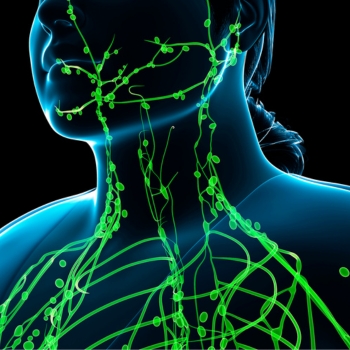
Detoxification is essential for maintaining health. It is the body’s natural process of identifying, breaking down, and eliminating potentially harmful substances. The liver does most of this work, while the kidneys, digestive system, lungs, skin, and lymphatic system help remove waste through urine, stool, breath, and sweat. The body continuously detoxifies itself; it does not require special cleanses or extreme diets to perform these essential functions. Several mechanisms in the body accomplish this work.
Two of the most important are the glymphatic and lymphatic systems.
The glymphatic system is the brain’s waste-clearance pathway. It relies on glial cells and cerebrospinal fluid to remove metabolic waste, especially during deep sleep.
Read More »
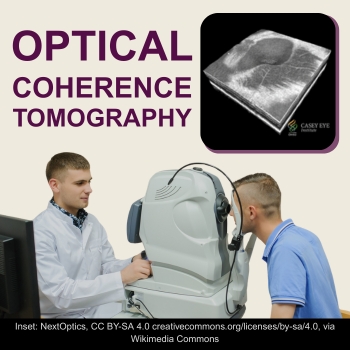
The fact that the retina and optic nerve are brain tissue could give doctors instant insight into Alzheimer’s disease. Modern eye-scanning technology is beginning to detect brain problems by examining the retina. Non-invasive exams and OCT (Optical Coherence Tomography) scans can detect the early appearance of beta-amyloid plaques and tau proteins. Plaques and tau proteins are found in the brains of patients with Alzheimer’s disease. Their appearance in the retina may indicate early signs of Alzheimer’s disease. The earlier Alzheimer’s is caught, the more time a patient has to head it off, particularly through diet, exercise, and targeted supplementation.
Unlike the brain, the retina can be photographed and measured quickly, without surgery or ionizing radiation. A scientific review published in July 2026 examines the growing evidence that Alzheimer’s-related changes may affect retinal nerve cells, blood vessels, supporting cells, and proteins. 1 The findings are encouraging, but they do not mean that an eye examination can currently tell you whether you have Alzheimer’s disease.
The retina is part of your central nervous system. It develops from the same embryonic tissue as the brain and contains neurons, immune cells, blood vessels, and protective barriers that are similar to those in the brain. 2
Read More »
 A widely used food thickener, xanthan gum, may have more complex effects on the gut than previously recognized. Xanthan gum helps give many highly processed ice creams, sorbets, and yogurts their gooey, creamy texture.* Valued for its thickening, stabilizing, and gelling properties, xanthan gum is among the food industry’s most widely used additives. It can also make liquids easier and safer to swallow for people who have difficulty swallowing, a condition known as dysphagia. The additive is common in ultra-processed foods, gluten-free products, baked goods, protein shakes, sauces, gravy, salad dressings, and supplements.
Research from the Federal University of São Paulo (UNIFESP) in Brazil raises questions about the effects of prolonged consumption of xanthan gum.1 Rats that received it for ten weeks developed colon inflammation, changes in their gut microbiota, and reduced intestinal barrier integrity.
Read More »
Natural Eye Care, Inc.
3 Paradies Lane
New Paltz, New York 12561
Phone: 845.475.4158

NaturalEyeCare™ started in 1999 to help the public and professionals learn about complementary care in eye disease treatment.
The information and recommendations we offer are based on over 30 years of peer review research and personal clinical experience which guides us in providing a valuable resource to our readers, customers and patients regarding maintaining healthy vision naturally.
We believe that vision health is intimately connected to overall mental, physical and spiritual health. Therefore we encourage people to look at their overall lifestyle and diet as part of keeping healthy vision and reducing the risk of eye disease onset. This includes diet, regular exercise, and management of daily stress. If one has health issues such as high blood pressure, a thyroid imbalance, any autoimmune disease and/or are on medication(s), these possible contributions to eye disease should considered when working with your health care professional.
Please do not hesitate to call us at 845.475.4158 with any questions and concerns.