
 Retinal scans are proving to be an effective way to detect early signs of diseases like diabetes, multiple sclerosis, and dementia. They can sometimes detect disease before symptoms appear. The best news about retinal scans is that they are painless and non-invasive. You may have looked into machines that scan the retina at your optometrist or eye surgeon’s office. Why are retinal scans helpful for detecting diseases that are not, technically, eye diseases? How is the retina connected to the brain and brain health?
Read More »
 Did you know that your daily habits affect your eyes and brain? As our population ages, more effort is needed to support seniors’ eyes, brains, and overall health. Research shows that a balanced diet, regular exercise, meaningful social interactions, and targeted supplements can have a significant impact. Remember, your retina and optic nerves are essentially brain tissue, meaning the nutrients that nourish your brain also bolster your vision. Read on to discover some of the latest research in this field.
 Blue light is emitted from all handheld electronic devices as well as desktop and laptop computers and televisions. It is the shortest wave length light in the visible spectrum and causes significant damage to many parts of the eye seriously impacting present and future vision capacity. Damage from blue light from smartphones is particularly important because smartphones are often used in dim light and are used close to the eyes. Unlike ordinary computer vision fatigue, damage from blue light is serious, cumulative and irreversible.
Read More »
 Myopia, also called “nearsightedness,” is a common eye condition that requires correction with eye glasses. If severe, it can lead to serious eye conditions. Myopia is a refractive error in which close objects are clear, but distant objects are blurry. This is because the refracted image is in focus in front of the retina. Typically, the myopic eye is elongated; however, myopia can also be caused by a distorted cornea.
This disorder affects around 33% of the population of the United States. In some East Asian countries, over 90% of the population is myopic.[1] It is typically detected in children
Read More »
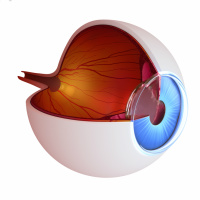 A cutting-edge project has produced a vast “road map” for proteins in the retinal pigment epithelium (RPE) and choroid of the eye. The project, conducted by recent grantees of a BrightFocus grant, mapped the locations and quantities of 4,403 different eye proteins. This research could be invaluable to further understanding of conditions such as age-related macular degeneration (AMD).
Read More »
Natural Eye Care, Inc.
3 Paradies Lane
New Paltz, New York 12561
Phone: 845.475.4158

NaturalEyeCare™ started in 1999 to help the public and professionals learn about complementary care in eye disease treatment.
The information and recommendations we offer are based on over 30 years of peer review research and personal clinical experience which guides us in providing a valuable resource to our readers, customers and patients regarding maintaining healthy vision naturally.
We believe that vision health is intimately connected to overall mental, physical and spiritual health. Therefore we encourage people to look at their overall lifestyle and diet as part of keeping healthy vision and reducing the risk of eye disease onset. This includes diet, regular exercise, and management of daily stress. If one has health issues such as high blood pressure, a thyroid imbalance, any autoimmune disease and/or are on medication(s), these possible contributions to eye disease should considered when working with your health care professional.
Please do not hesitate to call us at 845.475.4158 with any questions and concerns.