
 We might not connect our eating habits to eye disease, but poor nutrition impairs circulation. Reduced circulation can contribute to eye diseases, including cataracts, glaucoma, retinal vascular occlusions, ischemic optic neuropathy (ION), dry eyes, macular degeneration, and diabetic retinopathy. Instead of being a “victim” of eye diseases in your senior years, you can take charge of your health today!
Read More »
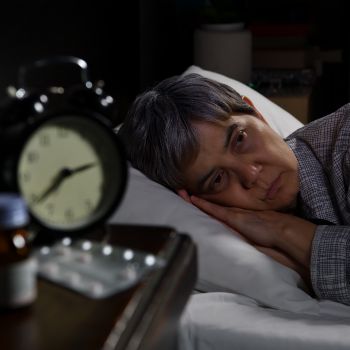 Getting enough sleep is crucial to your daily life and long-term health. However, many seniors struggle to get sufficient sleep. They also may have difficulty with the quality of sleep. What do the statistics show? How bad is sleep deprivation for your health? And what are some natural solutions?
Sleep comes naturally. So why do we see these shocking sleep statistics?
Read More »
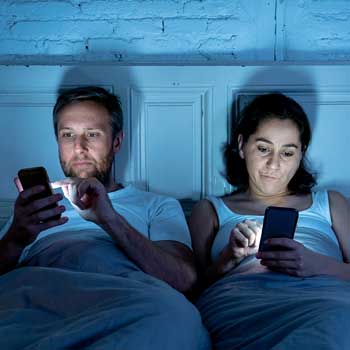 We have written extensively about how excess exposure to blue light can, over time, negatively affect vision. Not only does it affect our vision and ability to fall asleep, but it can also harm skin health, and neural pathways in the brain are affected in various ways.
Blue light is emitted from all handheld electronic devices, desktop and laptop computers, and televisions. It is emitted from the little LED lights above your stove, fluorescent lighting and LED bulbs. And, of course, blue light comes from sunlight.
Read More »
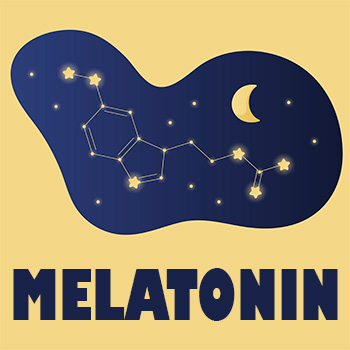 The body produces the hormone melatonin in several places, mostly in the pineal gland and the eyes. It is also produced in the gastrointestinal tract, bone marrow, skin, and white blood cells known as lymphocytes. Melatonin coordinates circadian rhythms and helps induce sleep. Research suggests the decline in melatonin levels that occurs during aging contributes to insomnia and other aging-associated conditions.
Melatonin does more than assist in balancing our circadian rhythms. New research substantiates that it helps our vision.
Read More »
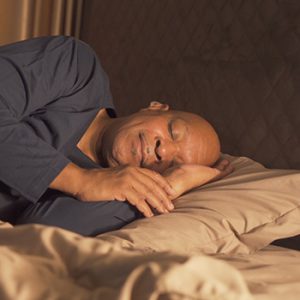 Melatonin is a hormone primarily released by the pineal gland at night, and has long been associated with control of the sleep–wake cycle. It is typically taken at night before bedtime as a supplement. In addition to melatonin’s application as a sleep aid, this supplement can also be used for lowering eye pressure — such as in cases of open angle glaucoma or glaucoma suspects. Research shows melatonin may also protect the eye’s macula by supporting the functioning of the mitochondria, the tiny “batteries” in each cell. Alzheimer’s disease appears to be linked to poor quality sleep and melatonin production; therefore, melatonin may prove to be a useful supplement and research is underway. Keep reading for details plus information about supplements available on this website.
Read More »
 Blue light is emitted from all handheld electronic devices as well as desktop and laptop computers and televisions. It is the shortest wave length light in the visible spectrum and causes significant damage to many parts of the eye seriously impacting present and future vision capacity. Damage from blue light from smartphones is particularly important because smartphones are often used in dim light and are used close to the eyes. Unlike ordinary computer vision fatigue, damage from blue light is serious, cumulative and irreversible.
Read More »
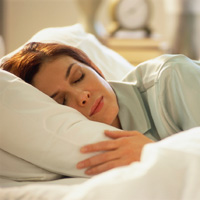 The Food and Drug Administration (FDA) has recommended that the block-buster sleeping pill Ambien (zolpidem) dose be lowered, especially for women, due to negative side-effects. The drug stays in women’s system much longer than in men’s. Too many car accidents the day after taking Ambien have lead to the government agency to halve the recommended dose for women, and re-consider the dose for men.
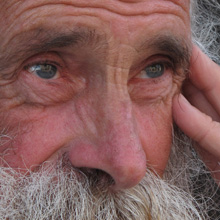 A study indicates that melatonin supplements may slow and even reverse the effects of age-related macular degeneration (ARMD). ARMD is the leading cause of serious vision loss in elderly persons.
The symptoms of ARMD include seeing wavy lines that should be straight, blurred text, and/or dark or empty spaces in the center of the field of vision. The cells that sense light in the eye’s macula stop functioning correctly and after some time, they do not work at all. A simple visual test called the Asmler grid is an effective screening for age-related macular degeneration.
Glaucoma’s progress can be slowed as the result of taking the antioxidants vitamin E and N-acetyl cysteine.
A study published in Investigative Ophthalmology and Visual Science describes how reducing or reversing oxidation within the eyes may lead to the healing of the trabecular meshwork or outflow pathway in glaucoma patients. As the name suggests, antioxidants (like vitamin C and N-acetyl cysteine, which is found in eggs) combat the natural process of oxidization.
According to the study, the free radicals that result from the oxidation process lead to the destruction of the trabecular meshwork, which can lead to increased ocular pressure and glaucoma. (Issue: 49:1447-58, 2008)
Read More »
Natural Eye Care, Inc.
3 Paradies Lane
New Paltz, New York 12561
Phone: 845.475.4158

NaturalEyeCare™ started in 1999 to help the public and professionals learn about complementary care in eye disease treatment.
The information and recommendations we offer are based on over 30 years of peer review research and personal clinical experience which guides us in providing a valuable resource to our readers, customers and patients regarding maintaining healthy vision naturally.
We believe that vision health is intimately connected to overall mental, physical and spiritual health. Therefore we encourage people to look at their overall lifestyle and diet as part of keeping healthy vision and reducing the risk of eye disease onset. This includes diet, regular exercise, and management of daily stress. If one has health issues such as high blood pressure, a thyroid imbalance, any autoimmune disease and/or are on medication(s), these possible contributions to eye disease should considered when working with your health care professional.
Please do not hesitate to call us at 845.475.4158 with any questions and concerns.