
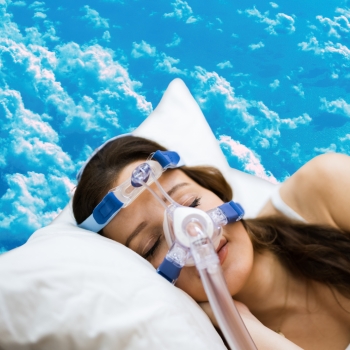
 Poor sleep and glaucoma may be more closely connected than previously understood. Recent research links short sleep, insomnia, and sleep apnea with changes in the retina and a higher risk of glaucoma. If you regularly struggle to sleep, there are practical steps you can take, including supporting healthy sleep and circulation, and getting medical help for an underlying sleep disorder.
Glaucoma damages retinal ganglion cells and the optic nerve, which carries visual information from the eye to the brain. Eye pressure is important, but it is not the whole story. Researchers are also studying blood flow, oxygen supply, oxidative stress, and the energy needs of these sensitive nerve cells.
In 2025, researchers in Kyoto, Japan, compared sleep and retinal health in 5,958 adults ages 40–80. 1 Participants wore devices that objectively measured sleep and underwent retinal imaging. Retinal nerve fiber layer thickness was greatest among people getting six to seven hours of actual sleep per night. Sleeping fewer than six hours was independently associated with a thinner retinal nerve fiber layer.
Read More »
 Did you know that untreated high blood pressure increases the risk, not only of heart attacks and strokes, but eye conditions such as advanced macular degeneration, glaucoma, and macular edema?
Studies support a target blood pressure for most people of 120/80 mm Hg, with an optimal level of 115/75 mm Hg for many people.1
Read More »
There are a number of food sources that lower cholesterol, reduce heart disease and cut the risk of Macular Degeneration naturally. These include olive oil, oat bran, apples, walnuts, red rice yeast, omega-3 fatty acids, and nattokinase.

There are several foods that help lower cholesterol levels.
Foods that are high in soluble fiber help reduce cholesterol. Soluble fiber draws water into the gut, softening stools and promoting regularity. Gut-friendly bacteria eat soluble fiber. Dietary fiber can be soluble or insoluble. Women should get 25 grams of dietary fiber per day, and men should get 38 grams per day. However, few Americans regularly reach this recommended daily amount (RDA).
Read More »
 As people age, eye diseases and conditions that commonly occur include macular degeneration, cataracts, vitreous tears/retinal tears and detachments, glaucoma, diabetic retinopathy, dry eyes, and eye floaters.
The question arises as to whether eye disease is inevitable with age. Will all older adults eventually have a “glint” in their eyes after cataracts surgery? More than 50% of people aged 75+ have glaucoma, cataracts, or macular degeneration. Can aging adults do anything to prevent, manage or slow down eye diseases associated with aging?
A large body of research is accumulating that shows the effects of regular eye exercises, good nutrition, and targeted supplementation on preventing and/or managing eye conditions. For instance, peer-reviewed research has shown that the risk of getting macular degeneration can be significantly reduced by taking fish oil and lutein on a daily basis. Vigorous exercise may reduce the incidence of glaucoma. And the effects of antioxidants on preventing cataract and macular degeneration have been the subject of significant research.
Whole Grains
Women with diabetes can cut their risk of death from a heart attack by eating more whole grains.
A study published in the journal Circulation discusses how women who are a diet rich in whole grains and wheat bran were 16-31% less likely to die over a 26 year period compared to women who did not eat those foods. When researchers considered mortality risks specifically associated with cardiovascular problems, those who ate a whole-grain and bran healthy diet were 28-35% less likely to die of heart related causes during the study’s duration.
Read More »
Though we have often heard that whole grains are an essential part of a healthy diet, but this may not be true for everyone. According to Dr. Mercola, over 85% of Americans have trouble controlling their insulin levels which is related to the development of diabetes.
Eating carbohydrate-containing foods, whether high in sugar or high in starch (such as bread – even organic, whole-grain bread, potatoes, processed breakfast cereals, and rice), temporarily raises blood sugar and insulin levels.
Read More »
Natural Eye Care, Inc.
3 Paradies Lane
New Paltz, New York 12561
Phone: 845.475.4158

NaturalEyeCare™ started in 1999 to help the public and professionals learn about complementary care in eye disease treatment.
The information and recommendations we offer are based on over 30 years of peer review research and personal clinical experience which guides us in providing a valuable resource to our readers, customers and patients regarding maintaining healthy vision naturally.
We believe that vision health is intimately connected to overall mental, physical and spiritual health. Therefore we encourage people to look at their overall lifestyle and diet as part of keeping healthy vision and reducing the risk of eye disease onset. This includes diet, regular exercise, and management of daily stress. If one has health issues such as high blood pressure, a thyroid imbalance, any autoimmune disease and/or are on medication(s), these possible contributions to eye disease should considered when working with your health care professional.
Please do not hesitate to call us at 845.475.4158 with any questions and concerns.