
 Poor sleep and glaucoma may be more closely connected than previously understood. Recent research links short sleep, insomnia, and sleep apnea with changes in the retina and a higher risk of glaucoma. If you regularly struggle to sleep, there are practical steps you can take, including supporting healthy sleep and circulation, and getting medical help for an underlying sleep disorder.
Glaucoma damages retinal ganglion cells and the optic nerve, which carries visual information from the eye to the brain. Eye pressure is important, but it is not the whole story. Researchers are also studying blood flow, oxygen supply, oxidative stress, and the energy needs of these sensitive nerve cells.
In 2025, researchers in Kyoto, Japan, compared sleep and retinal health in 5,958 adults ages 40–80. 1 Participants wore devices that objectively measured sleep and underwent retinal imaging. Retinal nerve fiber layer thickness was greatest among people getting six to seven hours of actual sleep per night. Sleeping fewer than six hours was independently associated with a thinner retinal nerve fiber layer.
Read More »
 The APOE4 gene variant and myelin may be connected in ways that affect brain health. New research suggests that cells that produce myelin may play an important role in how the APOE4 variant influences Alzheimer’s disease risk. Myelin is also essential to the optic nerve, which carries visual information from your eyes to your brain.
APOE4 is a genetic risk factor, not a diagnosis. Many people who carry the variant never develop Alzheimer’s disease. Other genes, ancestry, age, cardiovascular health, and environmental factors may also influence a person’s risk. 1
Researchers are now investigating why APOE4 affects people differently. Recent findings point toward oligodendrocytes, which are specialized brain cells that make myelin. The results do not prove that protecting myelin will prevent Alzheimer’s disease. However, they provide another clue about how APOE4 may affect the aging brain.
Read More »
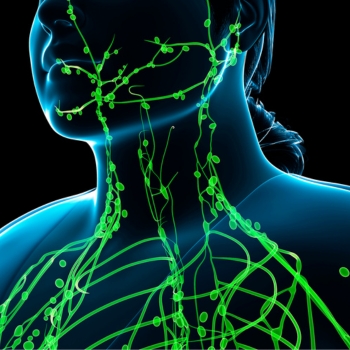
Detoxification is essential for maintaining health. It is the body’s natural process of identifying, breaking down, and eliminating potentially harmful substances. The liver does most of this work, while the kidneys, digestive system, lungs, skin, and lymphatic system help remove waste through urine, stool, breath, and sweat. The body continuously detoxifies itself; it does not require special cleanses or extreme diets to perform these essential functions. Several mechanisms in the body accomplish this work.
Two of the most important are the glymphatic and lymphatic systems.
The glymphatic system is the brain’s waste-clearance pathway. It relies on glial cells and cerebrospinal fluid to remove metabolic waste, especially during deep sleep.
Read More »
News for July 4, 2026. In this article:
Study Finds that Cannabis May Be Less Effective for Chronic Nerve Pain
Omega-3 Fish Oil Shows Promise Against Type 2 Diabetes
Can You Keep Your Telomeres Long?
Pleo Muc eyedrops for Dry Eye – BACK IN STOCK
Suggested Supplements Consider
 Research linked daily moderate consumption of caffeinated coffee or tea to an 18% lower risk of dementia. 1 A major JAMA study followed more than 131,000 adults for as long as 43 years, which gives this research weight. The researchers looked at coffee, tea, dementia risk, and cognitive function. They found that people who drank more caffeinated coffee had a lower risk of dementia and were less likely to report subjective cognitive decline. Caffeinated tea showed similar favorable associations, while decaffeinated coffee did not show the same connection.
Y our nervous system runs on communication. Nerves send signals from the brain and spinal cord out to the rest of the body, and back again. Myelin is the protective, fatty coating wrapped around many nerve fibers. Think of it as insulation around wiring: it helps signals travel faster, more clearly, and with less electrical leakage. 1
Myelin is also part of a bigger support system. In the central nervous system (the brain and spinal cord), specialized cells called oligodendrocytes help build and maintain myelin. These cells do not just wrap nerves; they also support neurons structurally and metabolically, helping the nervous system meet energy demands over time.
Read More »
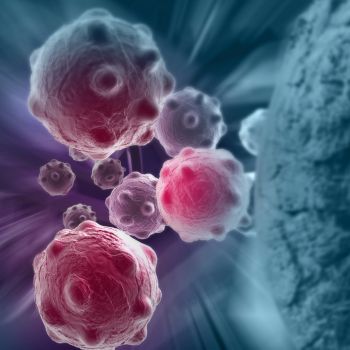
At Natural Eye Care, we want to keep our readers informed about new developments in health and wellness. Sometimes that means looking at breakthrough medical research, such as promising new cancer treatment technology or new findings about inflammation and Alzheimer’s disease. It also means helping you better understand how inflammation may affect eye health and sharing natural ways to support overall wellness. In this article, we bring these topics together to highlight how ongoing research and whole-body health can both contribute to long-term well-being.
Read More »
 Reading at night is recommended for health and improved sleep, compared with staring at electronic screens. Studies show that nighttime reading can improve sleep quality, lower stress, and reduce exposure to blue light, which can disrupt melatonin.1 Using phones, laptops, tablets, and televisions close to bedtime can make it tougher to drift off. The blue-leaning light they emit can interfere with your body’s natural “time to sleep” signals.2
Read More »
 A large body of scientific research backs up the claim that astaxanthin is great for your body. As a potent antioxidant, astaxanthin scavenges free radicals that cause cellular damage. This benefits many parts of the body, including your skin, eyes, and brain. What is astaxanthin? Where does it come from? And what does the latest research say about its benefits?
Astaxanthin is a marine xanthophyll carotenoid primarily produced by microalgae like Haematococcus pluvialis. Dietary astaxanthin can be obtained through seafood, including salmon, trout, shrimp, and krill.
Read More »

 The kidneys play a crucial role in supporting brain health and maintaining optimal vision. In this article, we will examine the flow of vital energy in Traditional Chinese Medicine and look at the latest findings on Parkinson’s Disease. Find out how the intricate relationships between the kidneys, brain, and eyes can help you stay healthier as you age.
According to Traditional Chinese Medicine, meridians run throughout the body, with many going to the eyes. Therefore, healthy meridian flow is essential for helping maintain and support healthy vision and overall health.
Read More »
Natural Eye Care, Inc.
3 Paradies Lane
New Paltz, New York 12561
Phone: 845.475.4158

NaturalEyeCare™ started in 1999 to help the public and professionals learn about complementary care in eye disease treatment.
The information and recommendations we offer are based on over 30 years of peer review research and personal clinical experience which guides us in providing a valuable resource to our readers, customers and patients regarding maintaining healthy vision naturally.
We believe that vision health is intimately connected to overall mental, physical and spiritual health. Therefore we encourage people to look at their overall lifestyle and diet as part of keeping healthy vision and reducing the risk of eye disease onset. This includes diet, regular exercise, and management of daily stress. If one has health issues such as high blood pressure, a thyroid imbalance, any autoimmune disease and/or are on medication(s), these possible contributions to eye disease should considered when working with your health care professional.
Please do not hesitate to call us at 845.475.4158 with any questions and concerns.