
 The APOE4 gene variant and myelin may be connected in ways that affect brain health. New research suggests that cells that produce myelin may play an important role in how the APOE4 variant influences Alzheimer’s disease risk. Myelin is also essential to the optic nerve, which carries visual information from your eyes to your brain.
APOE4 is a genetic risk factor, not a diagnosis. Many people who carry the variant never develop Alzheimer’s disease. Other genes, ancestry, age, cardiovascular health, and environmental factors may also influence a person’s risk. 1
Researchers are now investigating why APOE4 affects people differently. Recent findings point toward oligodendrocytes, which are specialized brain cells that make myelin. The results do not prove that protecting myelin will prevent Alzheimer’s disease. However, they provide another clue about how APOE4 may affect the aging brain.
Read More »
 Retinitis Pigmentosa is a progressive eye disease that has long been associated with gradual vision loss and limited treatment options. Affecting about one in every 4,000 people, Retinitis Pigmentosa (RP) is marked by the degeneration of the retina’s photoreceptor cells—first the rods, which are responsible for night vision, and then the cones, which enable us to see in daylight and color. While the genetic complexity and slow progression of RP have posed challenges for patients and researchers alike, recent discoveries are offering new hope. Exciting new research reveals that the retina may have an unexpected ability to adapt: certain retinal cells can rewire themselves in response to degeneration, potentially helping to preserve vision even as the disease advances.
Read More »
 Did you know that your daily habits affect your eyes and brain? As our population ages, more effort is needed to support seniors’ eyes, brains, and overall health. Research shows that a balanced diet, regular exercise, meaningful social interactions, and targeted supplements can have a significant impact. Remember, your retina and optic nerves are essentially brain tissue, meaning the nutrients that nourish your brain also bolster your vision. Read on to discover some of the latest research in this field.
 Physical exercise is vital for eye health and overall health. Research shows the positive impacts of exercise on common eye conditions. What is the intricate relationship between exercise and eye health? Can regular physical activity reduce the risk of age-related eye diseases? What role does nutrition play? And, can physical exercise help stave off neurological disease, heart disease, and other chronic illnesses associated with aging? At Natural Eye Care, we want to support you with knowledge and practical tips for getting the exercise you need.
Read More »
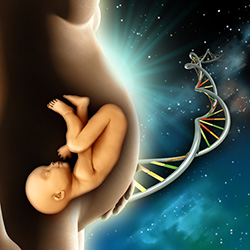
The genetic eye disease Retinitis Pigmentosa is the target of gene editing research on human embryos by Dr. Dietrich Elgi at Columbia University. National Public Radio reported on this research1 shortly after a Chinese scientist announced he had created the world’s first two gene-edited babies.2 Both scientists use the CRISPR tool to genetically modify human embryos. However, the experiments at Columbia are for research purposes only. These embryos are destroyed within one day for study.

Studies on mice at the Universitat Autònoma de Barcelona (UAB) may lead to an injection that cures Type II Diabetes. This metabolic disorder affects overweight and obese people, due to insulin resistance. The body needs more and more insulin to maintain steady blood sugar, and the pancreas cannot keep up. Diabetes can lead to eye disease in the form of diabetic retinopathy. The chances of developing floaters, cataracts, nerve damage, and glaucoma are higher. Diabetes also causes stroke, amputations, coma, and even death.
The researchers, led by Professor Fátima Bosch, introduced into the mice a gene that creates the FGF21 protein
Read More »
 Current research on genetic eye diseases focuses mostly on genetic therapies. Scientists have learned how to sequence DNA at a relatively low cost. New tools for modifying genetic materials, such as the CRISPR, have opened the door for new treatments and even cures. Certain eye disorders are caused by mutated genes and genetic predispositions. This article highlights current research into four genetic eye disorders:
Read More »
 The rare eye disease Leber Congenital Amaurosis, caused by a defective gene, has a new genetic treatment. This is the first time the US Food and Drug Administration has approved gene therapy for an inherited disease.
The RPE65 gene provides a blueprint for a protein that makes light receptors work properly. Individuals with a defective RPE65 gene eventually go blind. Eye doctors may diagnose them with Leber
Read More »
 A long-term study of patients receiving gene therapy shows positive results.1 Researcher Dr. Robert Maclaren published a letter in the New England Journal of Medicine indicating that 5 out of the 6 patients with a rare genetic eye disease either improved or stayed the same after treatment. This may lead to approval of gene therapy for Choroideremia. This type of research may ultimately result in the approval of gene therapy for other more common eye diseases.
Men with Choroideremia have a defective
Read More »
 Rod-Cone Dystrophy is a genetically-based deterioration of vision caused by damage to the photoreceptors in the eye. Rods and cones are the photoreceptor cells in the retina that give us daytime and night time vision. Genes that provide the blueprint for manufacturing proteins crucial to the eye’s rods and cones are damaged. Without enough of these proteins, vision deteriorates and blindness may result.
Much of the current research into rod-cone dystrophy is focused on genetic research. Scientists are busy identifying the faulty genes and how they function. Stem cells or other genetic therapy offers hope for a treatment and possibly cure in the future. In the meantime, nutritional and lifestyle choices may
Read More »
Natural Eye Care, Inc.
3 Paradies Lane
New Paltz, New York 12561
Phone: 845.475.4158

NaturalEyeCare™ started in 1999 to help the public and professionals learn about complementary care in eye disease treatment.
The information and recommendations we offer are based on over 30 years of peer review research and personal clinical experience which guides us in providing a valuable resource to our readers, customers and patients regarding maintaining healthy vision naturally.
We believe that vision health is intimately connected to overall mental, physical and spiritual health. Therefore we encourage people to look at their overall lifestyle and diet as part of keeping healthy vision and reducing the risk of eye disease onset. This includes diet, regular exercise, and management of daily stress. If one has health issues such as high blood pressure, a thyroid imbalance, any autoimmune disease and/or are on medication(s), these possible contributions to eye disease should considered when working with your health care professional.
Please do not hesitate to call us at 845.475.4158 with any questions and concerns.