
 GLP-1 drugs have produced remarkable weight-loss results for many people, but can these medications have serious side effects? Weight-loss medications containing semaglutide, including Wegovy and Ozempic, reduce appetite through several interconnected systems involving the brain, digestive tract, pancreas, hormones, and nerves. 1
Semaglutide does not appear to cross the blood-brain barrier freely. Instead, it can reach or influence selected appetite-regulating areas, including regions of the hypothalamus and brainstem. 2 By affecting appetite and food-reward signaling, the medication can help you feel satisfied with less food and may reduce cravings and eating motivated primarily by pleasure rather than hunger. 3
Read More »
 Retinitis Pigmentosa is a progressive eye disease that has long been associated with gradual vision loss and limited treatment options. Affecting about one in every 4,000 people, Retinitis Pigmentosa (RP) is marked by the degeneration of the retina’s photoreceptor cells—first the rods, which are responsible for night vision, and then the cones, which enable us to see in daylight and color. While the genetic complexity and slow progression of RP have posed challenges for patients and researchers alike, recent discoveries are offering new hope. Exciting new research reveals that the retina may have an unexpected ability to adapt: certain retinal cells can rewire themselves in response to degeneration, potentially helping to preserve vision even as the disease advances.
Read More »
 What are the connections between caffeine, coffee and eye health? Do the negatives outweigh the positives? This is a tricky question, given the contradictory research on this popular beverage. Coffee is high in antioxidants that have broad health benefits. However, coffee is typically acidic, which can cause stomach symptoms. The caffeine in coffee is a stimulant that increases alertness, but it can also cause energy crashes. Caffeine research has not yet pinpointed the ideal amount of caffeine for better health. According to Traditional Chinese Medicine, coffee can be helpful or harmful, depending on the constitution of the drinker.
Read More »

One important concept for maintaining eye health is understanding the eye-brain connection. This pathway starts with light entering the eye and ends when your brain makes sense of the visual world around you. Disruption or damage at any point in the pathway distorts your perception. Therefore, maintaining the health of each part of the eye-brain connection pathway ensures accurate perception. Your vision accounts for around 80% of your perceptions, learning, and thinking. Maintaining your vision as you age improves your quality of life. Consider how your ability to drive, watch television, read, prepare food, walk in nature, shop, and recognize friends and loved ones enables you to live independently and passionately. At Natural Eye Care, we want you to have the best chance at maintaining healthy vision throughout your whole life.
Read More »
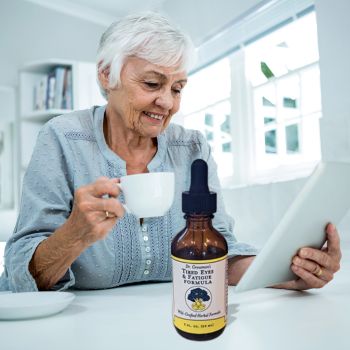 In today’s digital age, our eyes are under constant stress from extended screen time on computers, tablets and smartphones. This leads to digital eye strain, tired eyes, fatigue, and even long-term vision concerns. At Natural Eye Care, we are committed to helping you maintain healthy vision naturally. This blog post discusses the scientifically studied ingredients in our new wild-crafted herbal formula: Dr. Grossman’s Tired Eyes and Fatigue Formula. This powerful tincture is a blend of natural ingredients, including ginger, ginseng, bilberry, green tea, ashwagandha, and schisandra. We selected the ingredients carefully to support eye health and combat eye fatigue.
Read More »
 Oxidative stress happens everywhere in the body and can create havoc over time. Many eye and brain diseases are triggered or exacerbated by oxidative stress. The body counteracts this stress by producing antioxidants. However, you must also ingest additional antioxidants through healthy food, drinks, and supplements. Green tea, rich in antioxidants, offers protective benefits for eye health by combating oxidative damage.1 At pennies per cup, this convenient and tasty beverage has been studied for its special antioxidant properties. What are the green tea benefits for seniors? Read on to find out.
Read More »
 Diabetic retinopathy is a leading cause of blindness among adults. Poor blood sugar balance can damage nerves, so nerve support is crucial for people with diabetes. Diabetic retinopathy is a serious eye condition stemming primarily from imbalances in blood sugar levels. When blood sugar is not properly managed, the body’s delicate nerve tissues, including the retina, can be injured.
At Natural Eye Care, we have examined the research on nutrients that help protect the eye, including the retina and blood flow to the eye. Research has identified oxidative stress and inflammation as key contributors to the onset and development of numerous eye conditions.
Read More »
 We might not connect our eating habits to eye disease, but poor nutrition impairs circulation. Reduced circulation can contribute to eye diseases, including cataracts, glaucoma, retinal vascular occlusions, ischemic optic neuropathy (ION), dry eyes, macular degeneration, and diabetic retinopathy. Instead of being a “victim” of eye diseases in your senior years, you can take charge of your health today!
Read More »
 Wintertime is when colds and flu are the most common. Why should we try to avoid these infectious diseases, and how? In addition to annual vaccines, what are some natural ways to stay healthy during cold and flu season? At Natural Eye Care, we see healthy eyes as part of a healthy body. This article references research that supports lifestyle, nutrition, botanicals, and supplements to fight colds and flu. Find out how to avoid getting sick, reduce the impact, and recover faster.
Each year, approximately 5 to 20 percent of Americans come down with the flu. Although most recover without incident, flu-related complications typically lead to at least 200,000 hospitalizations and between 12,000 and 60,000 deaths each year. People tend to recover from bacterial-related colds much more quickly than virus-related colds. Seniors and small children are especially susceptible.
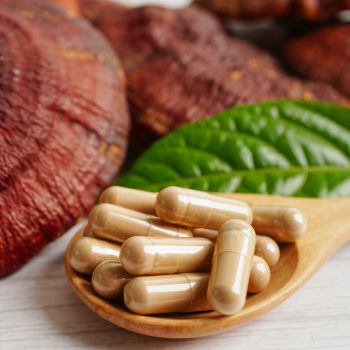 Edible mushrooms have a long history as both food and medicine. What are its health benefits? How can you safely enjoy mushrooms in food and as a supplement?
Studies have shown both in vitro and mammal studies to have potential roles in the prevention of many age-associated neurological diseases including Alzheimer’s Disease.1 Popular medicinal mushrooms include lion’s mane (Hericium erinaceus), reishi (Ganoderma lucidum), Sarcodon scabrosus, Antrodia camphorata, Pleurotus giganteus, maitake (Grifola frondosa), and many more. For example, Reishi mushrooms help reduce inflammation.2
Natural Eye Care, Inc.
3 Paradies Lane
New Paltz, New York 12561
Phone: 845.475.4158

NaturalEyeCare™ started in 1999 to help the public and professionals learn about complementary care in eye disease treatment.
The information and recommendations we offer are based on over 30 years of peer review research and personal clinical experience which guides us in providing a valuable resource to our readers, customers and patients regarding maintaining healthy vision naturally.
We believe that vision health is intimately connected to overall mental, physical and spiritual health. Therefore we encourage people to look at their overall lifestyle and diet as part of keeping healthy vision and reducing the risk of eye disease onset. This includes diet, regular exercise, and management of daily stress. If one has health issues such as high blood pressure, a thyroid imbalance, any autoimmune disease and/or are on medication(s), these possible contributions to eye disease should considered when working with your health care professional.
Please do not hesitate to call us at 845.475.4158 with any questions and concerns.