
 Poor sleep and glaucoma may be more closely connected than previously understood. Recent research links short sleep, insomnia, and sleep apnea with changes in the retina and a higher risk of glaucoma. If you regularly struggle to sleep, there are practical steps you can take, including supporting healthy sleep and circulation, and getting medical help for an underlying sleep disorder.
Glaucoma damages retinal ganglion cells and the optic nerve, which carries visual information from the eye to the brain. Eye pressure is important, but it is not the whole story. Researchers are also studying blood flow, oxygen supply, oxidative stress, and the energy needs of these sensitive nerve cells.
In 2025, researchers in Kyoto, Japan, compared sleep and retinal health in 5,958 adults ages 40–80. 1 Participants wore devices that objectively measured sleep and underwent retinal imaging. Retinal nerve fiber layer thickness was greatest among people getting six to seven hours of actual sleep per night. Sleeping fewer than six hours was independently associated with a thinner retinal nerve fiber layer.
Read More »
 The Mediterranean Diet and dementia have an encouraging research connection. In a large observational study, people whose eating habits most closely followed a Mediterranean-style pattern had a lower risk of developing dementia. What can we conclude from this study? How can your eating habits help prevent disease in the future? Keep reading for details about the study and practical tips for better nutrition.
Researchers followed 60,298 adults in the United Kingdom for an average of 9.1 years. The participants were ages 40 to 69 when they entered the study. Researchers compared their diets with two Mediterranean diet scoring systems and recorded new cases of dementia.
One system was the Mediterranean Diet Adherence Screener, commonly shortened to MEDAS. It gives points for habits that fit a Mediterranean-style pattern, such as eating vegetables, fruit, legumes, fish, and olive oil. A higher score means closer adherence to the pattern.
Read More »
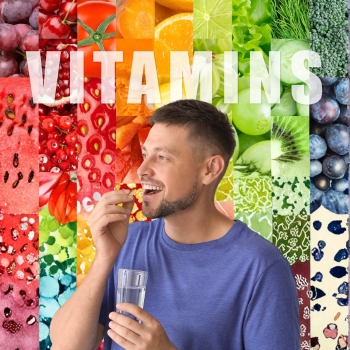 Can one daily multivitamin help you remain active and independent as you grow older? New research offers a cautiously encouraging answer. In a large randomized study, adults age 60 and older who took a daily multivitamin for three years reported slightly better functional health than those who took a placebo. Functional health includes how well you manage everyday activities and how much symptoms interfere with daily life.
The study included more than 16,000 participants from the COSMOS trial. The differences were modest and were measured with questionnaires rather than objective physical tests. The findings were presented at the NUTRITION 2026 conference but have not yet been published in a peer-reviewed journal. They are interesting, but they do not prove that a multivitamin prevents disability or treats fatigue, shortness of breath, or swelling in the feet. New or worsening symptoms like these require medical evaluation. 1
A multivitamin can help fill nutritional gaps, especially when appetite, food choices, medications, or changes in digestion make it difficult to obtain enough nutrients. It cannot replace a varied diet, exercise, sleep, prescribed treatment, or regular eye care. Evidence also does not show that routine multivitamin use prevents every chronic disease. The most sensible goal is nutritional support, not a promise of disease prevention. 2
Read More »
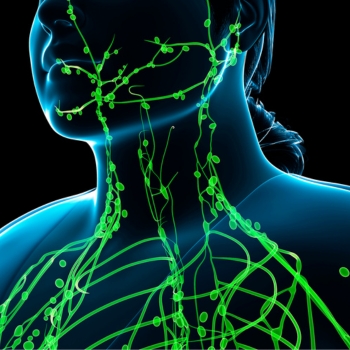
Detoxification is essential for maintaining health. It is the body’s natural process of identifying, breaking down, and eliminating potentially harmful substances. The liver does most of this work, while the kidneys, digestive system, lungs, skin, and lymphatic system help remove waste through urine, stool, breath, and sweat. The body continuously detoxifies itself; it does not require special cleanses or extreme diets to perform these essential functions. Several mechanisms in the body accomplish this work.
Two of the most important are the glymphatic and lymphatic systems.
The glymphatic system is the brain’s waste-clearance pathway. It relies on glial cells and cerebrospinal fluid to remove metabolic waste, especially during deep sleep.
Read More »
 Glucosamine sulfate is one of the most popular supplements taken for joint support. More than 40 million Americans take this compound daily for stiff joints and pain associated with osteoarthritis. Eight percent of seniors report taking glucosamine, making people ages 60 and up the biggest market for this supplement. What does the research show about its effectiveness and potential side effects? In this article, we discuss these questions, and reveal a 2026 study that links accelerated dementia in glucosamine supplement users who already showed signs of dementia.
Glucosamine sulfate is primarily studied for its potential to relieve osteoarthritis (OA) symptoms, especially in the knees. Research also looks at its role as a potential cartilage-preserving agent, particularly in relation to osteoarthritis management.
Read More »

Vitamin C is best known for immune support, but its role in healthy aging is broader than that. Ascorbic acid, the chemical name for Vitamin C, helps the body make collagen, supports blood vessel integrity, assists wound healing, improves the absorption of iron from plant foods, and acts as an antioxidant. These functions matter throughout the body, including in the brain and eyes.
A recent large study of older adults adds another reason to pay attention to vitamin C status. Researchers found that lower plasma vitamin C levels were associated with lower gray matter volume and weaker connectivity in a major brain network involved in memory, attention, and self-reflection. The study does not prove that vitamin C prevents brain shrinkage or cognitive decline. However, it does suggest that healthy vitamin C levels may be one marker of better brain aging. 1
Read More »
 Could NMN help the body age more successfully? NMN, or nicotinamide mononucleotide, is a naturally occurring compound that helps the body produce NAD+, a vital substance found in every living cell. NAD+ plays an important role in cellular energy, DNA repair, mitochondrial function, inflammation control, and other processes that help the body stay resilient over time. However, NAD+ does not remain steady throughout life. One observational study in humans found that NAD+ levels may drop by about 50% by age 50.
For older adults, this decline may be important. Lower NAD+ levels have been associated with metabolic dysfunction, inflammation, reduced mitochondrial performance, and other changes tied to aging and chronic disease risk. Since NMN helps the body make NAD+, researchers are studying whether NMN supplementation may help restore some of this lost cellular support. NMN has recently entered the supplement market. Early research suggests that NMN may benefit several areas of aging health, including energy metabolism, insulin function, brain and nerve health, cardiovascular support, muscle function, inflammation balance, and eye health.
Read More »
 Oxidative stress may be at the root of many eye diseases. The body depends on a careful balance between oxidants and antioxidants. When that balance is disrupted, delicate tissues in the eye can be damaged. In this article, we will focus on an important antioxidant defense system called the Keap1-Nrf2-ARE pathway, abbreviated as NRF2. We will also look at how this system may relate to major eye diseases, including age-related macular degeneration, cataracts, diabetic retinopathy, and glaucoma—conditions that together account for many cases of vision loss and blindness worldwide.
Free radicals, such as reactive oxygen species (ROS), are oxidants produced as by-products of aerobic metabolism. In addition to the natural metabolic production of ROS, environmental sources such as light, smoking, and exposure to or intake of heavy metals also contribute to increased ROS burden. 1
Read More »
 As we get older, it’s common to notice changes in memory, focus, and mental sharpness. Researchers often discuss these changes in relation to neurogenesis—the ongoing creation of new brain cells—which tends to slow down with age. Because neurogenesis supports the brain’s ability to adapt and maintain itself (often called plasticity), a decline may be associated with reduced cognitive performance over time.
Age-related factors such as oxidative stress and inflammation are frequently discussed as reasons neurogenesis may slow down. At the same time, healthy dietary patterns and lifestyle habits are often studied for their potential to support brain health and the processes involved in maintaining brain tissue.
Read More »
 Reading at night is recommended for health and improved sleep, compared with staring at electronic screens. Studies show that nighttime reading can improve sleep quality, lower stress, and reduce exposure to blue light, which can disrupt melatonin.1 Using phones, laptops, tablets, and televisions close to bedtime can make it tougher to drift off. The blue-leaning light they emit can interfere with your body’s natural “time to sleep” signals.2
Read More »
Natural Eye Care, Inc.
3 Paradies Lane
New Paltz, New York 12561
Phone: 845.475.4158

NaturalEyeCare™ started in 1999 to help the public and professionals learn about complementary care in eye disease treatment.
The information and recommendations we offer are based on over 30 years of peer review research and personal clinical experience which guides us in providing a valuable resource to our readers, customers and patients regarding maintaining healthy vision naturally.
We believe that vision health is intimately connected to overall mental, physical and spiritual health. Therefore we encourage people to look at their overall lifestyle and diet as part of keeping healthy vision and reducing the risk of eye disease onset. This includes diet, regular exercise, and management of daily stress. If one has health issues such as high blood pressure, a thyroid imbalance, any autoimmune disease and/or are on medication(s), these possible contributions to eye disease should considered when working with your health care professional.
Please do not hesitate to call us at 845.475.4158 with any questions and concerns.