
 New study finds link between microplastics and heart disease. The tiny pieces of plastic flake off water bottles, chip off cutting boards, rinse out of polyester blouses and coffee pods, and come from many other objects. These do not only build up in the environment, but also accumulate in the body.
A 2024 study found that microplastics make their way into the arterial plaques, and end up causing fatty deposits inside the blood vessels. People whose plaques contained plastic particles were more likely to suffer heart attacks or strokes or die from other causes in the following years as compared to those without plastic detected in the plaque.
In a study published in the European Heart Journal, the results found that 84% of the people who had a heart attack had plastics in their blood, compared with only 40% of people with less severe heart disease and 32% of control patients with normal arteries.
The conclusion was that these study results provided further evidence that heart disease risk may be linked to plastic exposure. 1
Read More »
 Microplastics are a new, emerging contaminant that is becoming detrimental to aquatic environments on a global scale. Primary microplastics are manufactured directly for personal care use and cosmetic formulations. They are used for emulsion stabilization, viscosity regulation, skin conditioning, and the manufacture of synthetic clothing. 1
Primary microplastics are introduced into environments through industrial discharges, water treatment plant effluents, wind deposition, and surface runoff. 2 Secondary microplastics result from the fragmentation and weathering of larger plastic items by sunlight, wind, and water, or by other chemical, biological, or mechanical forces. 3

One important concept for maintaining eye health is understanding the eye-brain connection. This pathway starts with light entering the eye and ends when your brain makes sense of the visual world around you. Disruption or damage at any point in the pathway distorts your perception. Therefore, maintaining the health of each part of the eye-brain connection pathway ensures accurate perception. Your vision accounts for around 80% of your perceptions, learning, and thinking. Maintaining your vision as you age improves your quality of life. Consider how your ability to drive, watch television, read, prepare food, walk in nature, shop, and recognize friends and loved ones enables you to live independently and passionately. At Natural Eye Care, we want you to have the best chance at maintaining healthy vision throughout your whole life.
Read More »
 The brain and visual system rely on a significant portion of the nutrients you consume to maintain optimal health and function. Supporting the connections between the body, mind, and eyes is key to promoting healthy vision, preserving brain health, and reducing the risk of age-related eye and brain diseases. This includes macular degeneration, glaucoma, and cataracts, plus dementia and Parkinson’s Disease.
Many of these conditions stem from a lack of essential nutrients reaching the eyes and brain, leaving them deprived of what they need to thrive. Other factors, such as autoimmune diseases, cardiovascular issues, medications, chronic stress, a sedentary lifestyle, poor diet, inadequate sleep, and both genetic and epigenetic influences, can also play a role.
Read More »
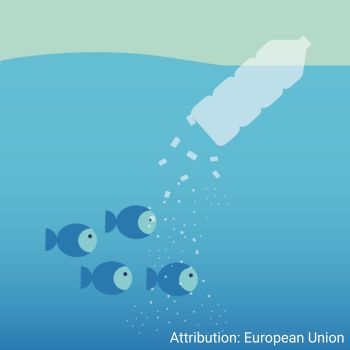 When tiny plastic particles pollute the ecosystem, can they cause harm? If so, can you do anything? At Natural Eye Care, we have mined the research on the effects of microplastics and nanoplastics on human health. Read on to find out what they are, how they affect living organisms, and how to reduce your exposure.
Natural Eye Care, Inc.
3 Paradies Lane
New Paltz, New York 12561
Phone: 845.475.4158

NaturalEyeCare™ started in 1999 to help the public and professionals learn about complementary care in eye disease treatment.
The information and recommendations we offer are based on over 30 years of peer review research and personal clinical experience which guides us in providing a valuable resource to our readers, customers and patients regarding maintaining healthy vision naturally.
We believe that vision health is intimately connected to overall mental, physical and spiritual health. Therefore we encourage people to look at their overall lifestyle and diet as part of keeping healthy vision and reducing the risk of eye disease onset. This includes diet, regular exercise, and management of daily stress. If one has health issues such as high blood pressure, a thyroid imbalance, any autoimmune disease and/or are on medication(s), these possible contributions to eye disease should considered when working with your health care professional.
Please do not hesitate to call us at 845.475.4158 with any questions and concerns.