
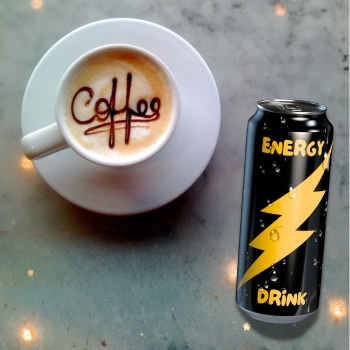
 Many of us enjoy a morning cup of coffee. The good news is that moderate coffee intake may be safer for the heart than some people assume. A new American Heart Association review found that up to 400 milligrams of caffeine per day, about three to five 8-ounce cups of regular black coffee, is generally safe for most adults.1
The source of caffeine matters. Coffee contains many natural compounds, some of which may have antioxidant and anti-inflammatory benefits. Moderate coffee drinking has been linked with lower risks of heart disease, stroke, heart failure, and Type 2 diabetes.
Energy drinks are different. They often contain much more concentrated caffeine, along with other ingredients that may speed up caffeine’s effects. These drinks and energy shots may raise blood pressure and increase the risk of irregular heart rhythms. Energy drinks include Red Bull, Monster Energy, Celsius, and Rockstar. Energy shots, such as 5-Hour Energy, are similar but more concentrated.2
Everyone responds to caffeine differently. Age, medications, heart health, sleep, anxiety, and genetics can all affect how caffeine feels in the body. If coffee causes palpitations, shakiness, poor sleep, or higher blood pressure, it may not be right for you.
For many seniors, coffee is reasonable in moderation, but high-powered energy drinks should probably be avoided.
- American Heart Association. “Coffee may protect your heart but energy drinks could harm it.” ScienceDaily. ScienceDaily, 21 July 2026. ↩
- Gregory M. Marcus, Frank B. Hu, Rob M. van Dam, Marilyn C. Cornelis, Thomas A. Dewland, JungHee Kang, Susanna C. Larsson, Robert L. Page, Niyati Parekh. Caffeine and Cardiovascular Disease: A Scientific Statement From the American Heart Association. Circulation, 2026; DOI: 10.1161/CIR.0000000000001454 ↩
