
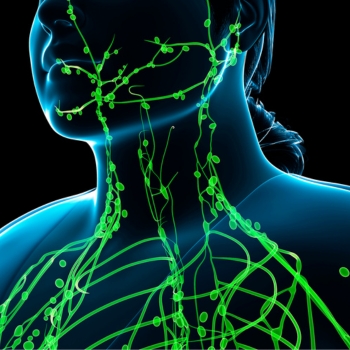
Detoxification is essential for maintaining health. It is the body’s natural process of identifying, breaking down, and eliminating potentially harmful substances. The liver does most of this work, while the kidneys, digestive system, lungs, skin, and lymphatic system help remove waste through urine, stool, breath, and sweat. The body continuously detoxifies itself; it does not require special cleanses or extreme diets to perform these essential functions. Several mechanisms in the body accomplish this work.
Two of the most important are the glymphatic and lymphatic systems.
The glymphatic system is the brain’s waste-clearance pathway. It relies on glial cells and cerebrospinal fluid to remove metabolic waste, especially during deep sleep.
Read More »
 A healthy, nutrient-rich diet supports long-term brain and eye health and may help lower the risk of serious conditions like Alzheimer’s disease and other dementias, as well as vision disorders such as macular degeneration and glaucoma.
One eating pattern often highlighted for these benefits is the Mediterranean-style diet. Research links consistent adherence to this approach with lower overall mortality, reduced deaths from cardiovascular disease and cancer, and a decreased likelihood of developing chronic, degenerative illnesses.1
Read More »
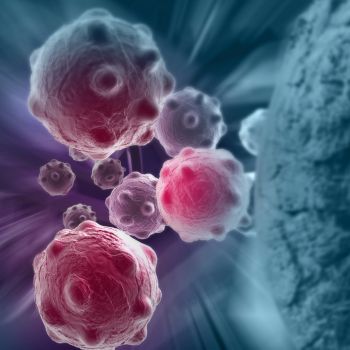
At Natural Eye Care, we want to keep our readers informed about new developments in health and wellness. Sometimes that means looking at breakthrough medical research, such as promising new cancer treatment technology or new findings about inflammation and Alzheimer’s disease. It also means helping you better understand how inflammation may affect eye health and sharing natural ways to support overall wellness. In this article, we bring these topics together to highlight how ongoing research and whole-body health can both contribute to long-term well-being.
Read More »
 A large body of scientific research backs up the claim that astaxanthin is great for your body. As a potent antioxidant, astaxanthin scavenges free radicals that cause cellular damage. This benefits many parts of the body, including your skin, eyes, and brain. What is astaxanthin? Where does it come from? And what does the latest research say about its benefits?
Astaxanthin is a marine xanthophyll carotenoid primarily produced by microalgae like Haematococcus pluvialis. Dietary astaxanthin can be obtained through seafood, including salmon, trout, shrimp, and krill.
Read More »
 The US Department of Health and Human Services (HHS) released its long-awaited update to the nation’s dietary guidelines on January 7, 2026, promising a “historic reset” that puts real, minimally processed food back at the center of American nutrition policy 1. Chronic diseases like heart disease, diabetes, and obesity are high, and these guidelines aim to “Make America Healthy Again.”
On the other hand, the Mediterranean Diet is popular for its proven benefits in reducing the risk of chronic diseases and promoting long-term wellness. It focuses on plant-based meals, healthy fats, and a balanced lifestyle. At Natural Eye Care, we adapted the Mediterranean Diet specifically for people with vision issues and called it the Vision Diet. This diet includes additional recommendations on antioxidant intake, organic foods, and avoiding certain additives and fats 2.
Read More »
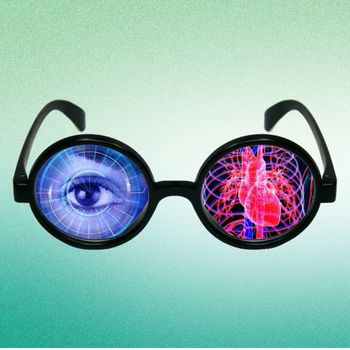 The link between cardiovascular disease and eye health may not be obvious. However, the eyes are made from nutrients. A large body of research shows how important nutrition is for eye health. Maintaining healthy vision depends on whether the eyes and visual system are properly nourished. Cardiovascular disease, including high blood pressure and atherosclerosis, can affect the flow of essential nutrients and oxygen to the eyes. Poor circulation to the eyes can cause damage to the retina’s tiny blood vessels, with potentially sight-threatening consequences. Cardiovascular disease can often be identified through retinal scans well before the disease is detectable through traditional tests.
Read More »
 Is it possible that NMN – nicotinamide mononucleotide – is an anti-aging nutrient? This chemical occurs naturally in the body, but levels drop in seniors. Researchers are finding that taking NMN supplements appears to have benefits. How does NMN work? What does it do? And, could seniors slow down the aging process by taking it?
 Chocolate stands alone as both a tasty confection and a healthy food. However, a recent Consumer Reports study found that heavy metals contaminate many brands of chocolate. Cadmium and lead pose health risks, especially neurological health. This includes Alzheimer’s Disease and other forms of dementia. Why is chocolate—especially dark chocolate—considered to be healthy? Why is chocolate contaminated? And how can you find chocolate that is safest to eat?
Read More »
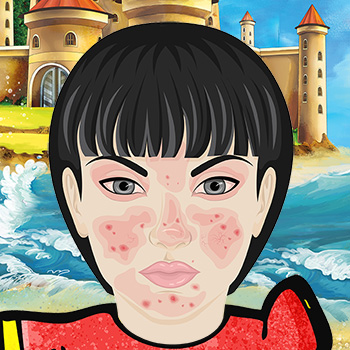
Ocular rosacea is an inflammation of the white of the eye caused by immune system weakness. It can also affect the cornea and usually develops only in the eyes. It appears in combination with the skin version of rosacea in 20% of facial rosacea patients.
Read More »
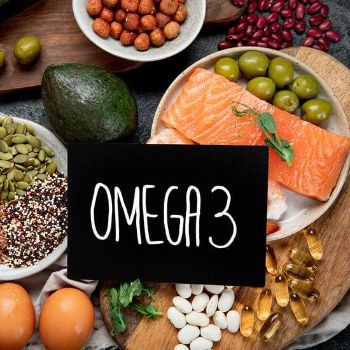 The standard Western diet, with many processed foods, white grains, fats, sugars, preservatives, and flavorings lacks essential nutrients to support the retina. These non-beneficial components aggravate inflammation in the body – an underlying, and sometimes a direct cause of illness, premature aging, and cellular degeneration.
Essential nutrients include a wide range of amino acids, minerals, vitamins, and vitamin-like nutrients. Among them, a star component of good health and good vision, are the omega-3 fatty acids.
Read More »
Natural Eye Care, Inc.
3 Paradies Lane
New Paltz, New York 12561
Phone: 845.475.4158

NaturalEyeCare™ started in 1999 to help the public and professionals learn about complementary care in eye disease treatment.
The information and recommendations we offer are based on over 30 years of peer review research and personal clinical experience which guides us in providing a valuable resource to our readers, customers and patients regarding maintaining healthy vision naturally.
We believe that vision health is intimately connected to overall mental, physical and spiritual health. Therefore we encourage people to look at their overall lifestyle and diet as part of keeping healthy vision and reducing the risk of eye disease onset. This includes diet, regular exercise, and management of daily stress. If one has health issues such as high blood pressure, a thyroid imbalance, any autoimmune disease and/or are on medication(s), these possible contributions to eye disease should considered when working with your health care professional.
Please do not hesitate to call us at 845.475.4158 with any questions and concerns.