
 Stargardt’s Disease and Retinitis Pigmentosa are genetic eye diseases that involve the metabolism of vitamin A. However vitamin A has a different impact on the course of each disease. A recent study1 examined the total intake of vitamin A in both types of patients. It found that:
 Blue light is emitted from all handheld electronic devices as well as desktop and laptop computers and televisions. It is the shortest wave length light in the visible spectrum and causes significant damage to many parts of the eye seriously impacting present and future vision capacity. Damage from blue light from smartphones is particularly important because smartphones are often used in dim light and are used close to the eyes. Unlike ordinary computer vision fatigue, damage from blue light is serious, cumulative and irreversible.
Read More »
Eye strain is the symptom that most people associate with overuse of electronic visual display devices — from television to laptops & desktops — to smartphones — to handheld games and ebooks.
Smartphone ownership has grown explosively with 68% of Americans owning smartphones in 2015 compared to 35% in 2011. Most adults under age 50 (79%-85%) are smartphone owners, and of the middle-age to senior group (age 50-64) more than half own and use smartphones. This growth has lead to increased rates of a number of vision conditions.
Read More »
 Future treatments for macular degeneration (AMD), Stargardt’s disease, and retinitis pigmentosa may include bone marrow stem cell injections, if a new line of eye research pans out. A preliminary pilot study on six subjects with one of several ischemic eye diseases found that most patients had vision improvement after receiving injections of their own bone marrow.
The purpose of the study was to find out if there were any adverse side effects and to test for vision improvement. The only significant negative side effect was some pain after bone marrow
Read More »
 The potential is great for these stem cells to aid in healing damaged and diseased tissues. Not to mention most adults wouldn’t mind giving up a little extra fat for something that could save lives.
Stem cells are valued tremendously for their ability to transform into any type of tissue. The capability of the cells to grow into anything from bone to nerve to heart translates to the conceivable treatment of countless diseases. Previous research has largely been
Read More »
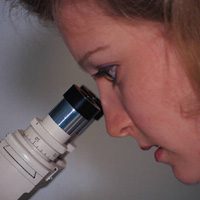 Researchers have found a layer of tissue in the eye that can self-renew and may provide cures in the future for retinal diseases such as Age-Related Macular Degeneration (ARMD), Stargardt’s disease, Best’s disease, and some types of retinitis pigmentosa. These eye diseases begin in the retinal pigment epithelium (RPE), which is a layer of eye tissue that supports the cells that make vision possible (photoreceptors). When the RPE degenerates, vision is compromised and can result in blindness.
Around ten percent of the cells in the RPE can renew themselves. In essence, they are dormant RPE stem cells. Cures for retinal diseases could lie in coaxing the dormant stem cells into becoming mature RPE cells. This could undo the damage from retinal diseases
Read More »
 Should you take extra Vitamin A if you have Stargardt’s Disease? Vitamin A supplementation is frequently recommended for certain eye diseases (AMD and Retinitis Pigmentosa, for example). This nutrient is crucial for rebuilding photoreceptors cells and proper retinal functioning. However, a study on mice published in “Investigative Ophthalmology and Visual Science” indicated that Stargardt’s Disease patients may be damaged by taking Vitamin A.
An FDA-guided and -supervised study revealed that microcurrent stimulation, also called electrotherapy, resulted in significant vision improvements in 61% of patients suffering from dry macular degeneration. The research showed promise that microcurrent stimulation could also help patients with diabetic retinopathy or retinitis pigmentosa.
Microcurrent stimulation is a therapy designed to alleviate pain, promote the healing of wounds and improve results with transplanted tissues. The FDA has approved its use for these purposes under specific protocols. This therapy is commonly used by rehab specialists, anesthesiologists, orthopedic surgeons, and plastic surgeons.
 A new study in the journal Free Radical Biology & Medicine compared the effects of lutein to grapes on the eyes. Grapes won out, providing more protection against oxidative damage to the retina than the nutrient lutein.
Mice were broken into two groups: on had a diet high in grapes, and the other received lutein, a plant chemical that recommended for eye health. The mice who ate grapes were less likely to go blind.
Grapes are rich in anti-oxidants, which fights free radical damage.
Read More »
Natural Eye Care, Inc.
3 Paradies Lane
New Paltz, New York 12561
Phone: 845.475.4158

NaturalEyeCare™ started in 1999 to help the public and professionals learn about complementary care in eye disease treatment.
The information and recommendations we offer are based on over 30 years of peer review research and personal clinical experience which guides us in providing a valuable resource to our readers, customers and patients regarding maintaining healthy vision naturally.
We believe that vision health is intimately connected to overall mental, physical and spiritual health. Therefore we encourage people to look at their overall lifestyle and diet as part of keeping healthy vision and reducing the risk of eye disease onset. This includes diet, regular exercise, and management of daily stress. If one has health issues such as high blood pressure, a thyroid imbalance, any autoimmune disease and/or are on medication(s), these possible contributions to eye disease should considered when working with your health care professional.
Please do not hesitate to call us at 845.475.4158 with any questions and concerns.