
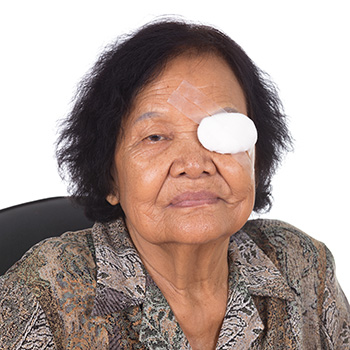
 The cornea is in front of the lens. It is a clear layer, seeming to lack substance. However, it is comprised of multiple layers and groups of cells and proteins which are highly organized.
Unlike other parts of the body, the cornea does not contain any blood vessels to nourish or protect the tissue against infection. Instead, the cornea receives its nourishment from tears and aqueous humor, a fluid in the front portion of the eye that fills the chamber between the cornea and the lens. The cornea must remain transparent to refract light properly and enable clear vision. The presence of even the tiniest blood vessels can interfere with this process. To see well, all layers of the cornea must be free of any cloudy or opaque areas.
Read More »
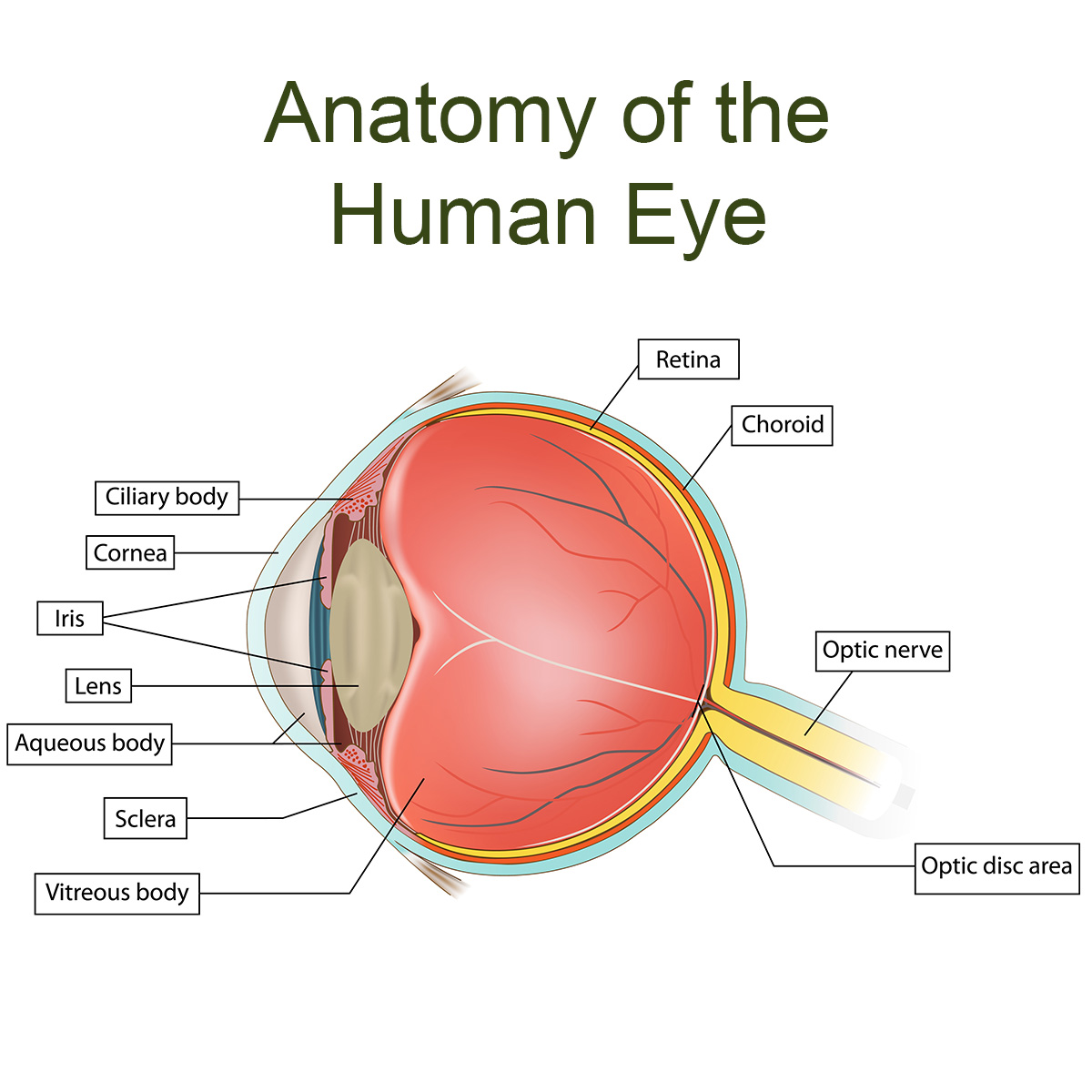 The eyes are small, but they have many parts including the eyelids, sclera, cornea, lens, optic nerve and retina. We depend heavily on our vision. When something goes wrong, the eyes are disproportionately affected. For example, a senior at risk of heart disease is also at risk of an ocular arterial or vein occlusion. Also, the macula requires a yellow-colored nutrient (lutein and zeaxanthin) found in certain vegetables such as green leafy vegetables, red, yellow and green peppers, corn and eggs. And antioxidants found in fresh fruits and vegetables have been shown to reduce oxidative eye damage and eye disease.
Read More »
 Current research on genetic eye diseases focuses mostly on genetic therapies. Scientists have learned how to sequence DNA at a relatively low cost. New tools for modifying genetic materials, such as the CRISPR, have opened the door for new treatments and even cures. Certain eye disorders are caused by mutated genes and genetic predispositions. This article highlights current research into four genetic eye disorders:
Read More »
 Have you ever heard that your eyes need plenty of nutrition? It’s true, and research backs this up. But did you know that the Standard American Diet tends to be very low in some eye-essential nutrients? The eyes are the second most physiologically active part of our body (#1 is the brain). At Natural Eye Care, we believe the eyes require approximately 25% of the nutrients we take into our body, if we eat a healthy diet. Even though most Americans consume enough calories, we may still have poor nutrition for the eyes. No wonder Macular Degeneration, cataracts, glaucoma, optic nerve
Read More »
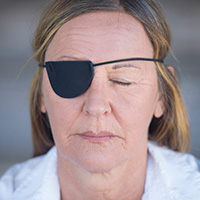 Cornea transplant surgery involves removing a damaged or diseased cornea, and replacing it with tissue from a deceased donor. All or part of the cornea may be replaced. In the United States, eye surgeons do approximately 33,000 corneal transplants (keratoplasty) per year. The surgery might be recommended if vision is seriously impaired by scarring from an injury, or eye diseases such as Fuchs’ Dystrophy, Lattice Dystrophy, or Keratoconus.
The cornea is transparent tissue at the front of the eye. Its job is to protect the eye from damage. This tissue also absorbs oxygen and nutrients. Light enters through the cornea
Read More »
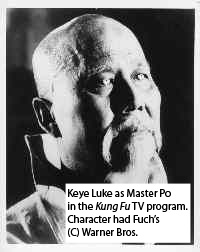 Fuchs’ Corneal Dystrophy is named for the Austrian ophthalmologist Ernst Fuchs, who first described the condition in 1910. He described thirteen patients who suffered from corneal clouding, blisters on the corneal epithelia and loss of corneal sensation.
“Dystrophy” refers to any disorder or condition in which a particular tissue or organ of the body wastes away. In Fuchs’ Dystrophy, the tissue that wastes away is the corneal endothelium. Just as epithelium refers to an external skin layer, endothelium refers to an internal skin layer. The corneal endothelium is the back
Read More »
Natural Eye Care, Inc.
3 Paradies Lane
New Paltz, New York 12561
Phone: 845.475.4158

NaturalEyeCare™ started in 1999 to help the public and professionals learn about complementary care in eye disease treatment.
The information and recommendations we offer are based on over 30 years of peer review research and personal clinical experience which guides us in providing a valuable resource to our readers, customers and patients regarding maintaining healthy vision naturally.
We believe that vision health is intimately connected to overall mental, physical and spiritual health. Therefore we encourage people to look at their overall lifestyle and diet as part of keeping healthy vision and reducing the risk of eye disease onset. This includes diet, regular exercise, and management of daily stress. If one has health issues such as high blood pressure, a thyroid imbalance, any autoimmune disease and/or are on medication(s), these possible contributions to eye disease should considered when working with your health care professional.
Please do not hesitate to call us at 845.475.4158 with any questions and concerns.