
 Did you know that proper nutrition and exercise can help prevent diabetic retinopathy?1 Diabetic retinopathy (DR) is a potentially blinding complication of diabetes that damages the eye’s retina; it is a leading cause of vision loss in the world. About 10% of Americans have diabetes. One in three people with diabetes has symptoms of diabetic retinopathy. Of these, a further one-third have vision-threatening DR, including diabetic macular edema. And yet, the condition can potentially be preventable.
Read More »
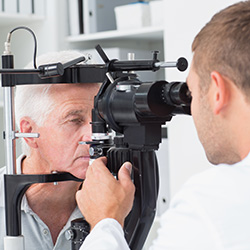 Getting a thorough eye exam has always been about more than reading letters off an eye chart. That is even truer today. One reason: We are harder on our eyes than ever before. Many of us spend hours each day staring and squinting at screens, developing digital eyestrain, and exposing our eyes to potentially damaging blue light.
But the typical tests offered during a standard eye exam may not go far enough to find problems as early as possible. Even a basic dilated eye exam may not be enough.
Read More »
 Have you ever noticed specks or clouds in your field of vision? They are most likely eye floaters. Floaters can look like cobwebs, blobs, dots, or little insects that float around. Eye floaters can be semi-transparent or darker. If you have them, they are more noticeable in certain lighting conditions, such as bright sunlight. You might not notice them at all unless you are looking for them.
Read More »
 A study published in the February 2019 issue of Aging Cell indicates that metformin may reduce the effectiveness of exercise. Metformin is a drug that has been approved for people with Type 2 diabetes to help control blood sugar. However, the drug is also used by healthy people for its anti-aging properties. The researchers are concerned about off-label use of this drug.
Metformin is a popular drug worldwide for those who have Type 2 diabetes. This medication helps improve their blood-sugar control and sensitivity to insulin.
Read More »
 Three time-tested supplements stand out as champions for eye and brain health: garlic, ginseng, and ginkgo. Research on these supplements backs up why they have been used for thousands of years. Garlic plays an important role in all three major traditional medicines–Traditional European Herbal Medicine, Ayurveda, and Traditional Chinese Medicine. Ginseng and ginkgo are crucial herbs in Traditional Chinese Medicine. Do these supplements work? Are they beneficial for aging brains and eyes? What does the research show?
Read More »
 Diabetic retinopathy is a vision-stealing effect of diabetes. What causes diabetes, and how can you prevent it? Can diabetic patients prevent this eye disease? What can you do to halt diabetic retinopathy? How can patients preserve their vision?

Diabetic Retinopathy is damage to the retina from poor blood sugar control. All types of chronic diabetes can cause retinal damage. The retina, at the back of the eye, is neural tissue. Tiny blood vessels, called capillaries, in the retina swell and leak. How often should diabetic patients visit their eye doctors? What are the four stages of diabetic retinopathy?
 As the New Year approaches, resolve to improve your vision health. Dr. Marc Grossman and Michael Edson, co-authors of Natural Eye Care 2nd Edition, developed this checklist of New Year resolutions for vision health. Pick one or more resolution. Regardless of your age, you can reduce your risk of developing eye disease. Eye disease such as cataracts, macular degeneration, and glaucoma are prevalent in seniors. A few simple steps can help preserve the precious gift of sight.
Read More »
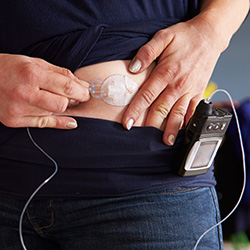 A preliminary study may point to blood sugar variability as an independent risk factor for diabetic neuropathy. Although the study involved only 40 adult patients, this type of research may emphasize the importance of leveling out blood sugar readings. Diabetic neuropathy is permanent nerve damage caused by sugar in the blood vessels. This condition can damage any nerves in the body. When high blood sugar damages the optic nerve in the eyes, it is called “diabetic retinopathy.”
Read More »
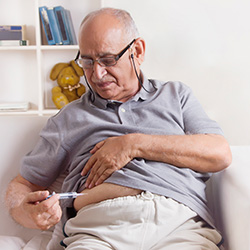
Studies on mice at the Universitat Autònoma de Barcelona (UAB) may lead to an injection that cures Type II Diabetes. This metabolic disorder affects overweight and obese people, due to insulin resistance. The body needs more and more insulin to maintain steady blood sugar, and the pancreas cannot keep up. Diabetes can lead to eye disease in the form of diabetic retinopathy. The chances of developing floaters, cataracts, nerve damage, and glaucoma are higher. Diabetes also causes stroke, amputations, coma, and even death.
The researchers, led by Professor Fátima Bosch, introduced into the mice a gene that creates the FGF21 protein
Read More »
Natural Eye Care, Inc.
3 Paradies Lane
New Paltz, New York 12561
Phone: 845.475.4158

NaturalEyeCare™ started in 1999 to help the public and professionals learn about complementary care in eye disease treatment.
The information and recommendations we offer are based on over 30 years of peer review research and personal clinical experience which guides us in providing a valuable resource to our readers, customers and patients regarding maintaining healthy vision naturally.
We believe that vision health is intimately connected to overall mental, physical and spiritual health. Therefore we encourage people to look at their overall lifestyle and diet as part of keeping healthy vision and reducing the risk of eye disease onset. This includes diet, regular exercise, and management of daily stress. If one has health issues such as high blood pressure, a thyroid imbalance, any autoimmune disease and/or are on medication(s), these possible contributions to eye disease should considered when working with your health care professional.
Please do not hesitate to call us at 845.475.4158 with any questions and concerns.