
 A study in the British Medical Journal has shown that exercise can be as effective a treatment as conventional medication for some conditions. By examining 305 different trials, researchers found that patients that used exercise regularly as treatment rivaled or surpassed patients taking pills for the same conditions when examining their life expectancies.
The study was conducted by researchers at the London School of Economics, Stanford University School of Medicine, and the Harvard Pilgrim Health Care Institute at Harvard Medical School. Researchers scanned thousands of studies comparing exercise and medication and narrowed their analysis down to 305 of them. The cases included nearly 340,000 patients, treating conditions such as stroke rehab, heart disease and heart failure, and pre-diabetes.
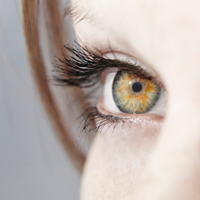 The eyes are not just the mirrors of our souls – they also reflect many of our diseases. Because they are the only place in the body where you can easily see blood vessels and even part of the brain via the optic nerve, they can be used to detect a number of diseases.
A large study of 120,000 people by the insurance company, VSP Vision Care, found that 34% of diabetes patients first found out about their disease from an eye exam. High blood pressure
Read More »
 Research on turmeric spice indicates its potential to fight depression, cancer, diabetes, and neurodegenerative disease. The bright yellow spice, which lends color and flavor to mustard, curry, and other foods, also contains highly beneficial chemicals like curcumin.
Curcumin has been studied widely in the past, but it only makes up about two to five percent of the turmeric spice. Researchers from the Cytokine Research Laboratory
Read More »
 Diabetic retinopathy is an eye disease that is a complication of diabetes. In diabetes, levels of blood sugar are chronically elevated due to lack of insulin, an insulin insensitivity, or a combination of both. Just as sugar combined with water outside the body forms a sticky substance, excessive sugar in the bloodstream does so as well. Sugar adheres to numerous different tissues in the body, causing problems depending on the tissue. Prolonged excessive sugar in the bloodstream tends to damage the blood vessels of the retina, the back part of the eye that sends light signals to the brain. As the blood vessels
Read More »
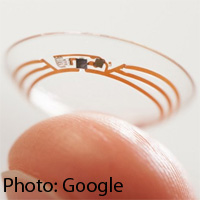 Google has announced plans to build a contact lens that can monitor blood sugar levels. The device that may come replete with miniature, flexible electronics, sensors and antennae. The lens would keep track of blood sugar levels via human tears. Google’s contact lens would be able to alert wearers when their blood sugar levels are too high or too low. For diabetics, this could theoretically free them from the need for frequent finger pricks to check blood sugar. It could also give them tools to better manage their blood sugar. Diabetes can lead to diabetic retinopathy, a serious eye disease (learn more).
While the device still
Read More »
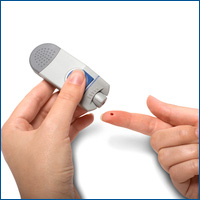 Most people are aware that diabetics are at risk for This is because high blood glucose, or high blood sugar levels, puts people at risk for these problems. Yet, many of us don’t realize that we all need to be concerned about the dangers of high blood sugar levels to our overall health.
High blood sugar levels produce advanced glycation end products or AGEs. AEGs have been linked to the aging process, heart disease, and dementia, as well as serious eye diseases. And, while AGEs are more
Read More »
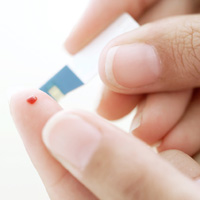 Researchers have found that the anti-diabetic drug metformin reduces the production of inflammatory cytokines. When inflammatory cytokines are produced in excess, they cause inflammation that increases cancer risk and the incidence of other diseases.
The University of Montreal researchers reported that metformin inhibits the expression of genes that code for several inflammatory cytokines observed during cellular senescence. These inflammatory cytokines are normally secreted by the
Read More »
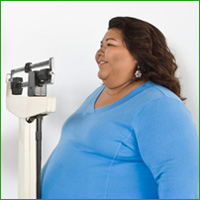
 The obesity epidemic may have an impact on the health of the eyes. While scientific studies do not seem to have found a direct link between obesity and eye disease, maintaining a healthy weight supports your overall health and helps prevent diseases that can harm the eyes. Here’s why.
Obesity is a step up from “overweight.” The National Institute of Health (NIH) in the United States, commonly uses Body Mass Index (BMI). This is a ratio of height to weight. Overweight is a BMI of 25-29, and obesity is a BMI of 30 or more. For example, 5′ 7″ person who weighs 160 pounds would have a BMI of 25 (just barely overweight). This same person at 195 pounds would have a BMI of 30 (obese) and at serious risk of disease such as heart disease, cardio-vascular disease, stroke, cancer, diabetes and lower-body joint problems.
Natural Eye Care, Inc.
3 Paradies Lane
New Paltz, New York 12561
Phone: 845.475.4158

NaturalEyeCare™ started in 1999 to help the public and professionals learn about complementary care in eye disease treatment.
The information and recommendations we offer are based on over 30 years of peer review research and personal clinical experience which guides us in providing a valuable resource to our readers, customers and patients regarding maintaining healthy vision naturally.
We believe that vision health is intimately connected to overall mental, physical and spiritual health. Therefore we encourage people to look at their overall lifestyle and diet as part of keeping healthy vision and reducing the risk of eye disease onset. This includes diet, regular exercise, and management of daily stress. If one has health issues such as high blood pressure, a thyroid imbalance, any autoimmune disease and/or are on medication(s), these possible contributions to eye disease should considered when working with your health care professional.
Please do not hesitate to call us at 845.475.4158 with any questions and concerns.